Why Suffolk County sod projects need local planning
Sod installation in Suffolk County is not the same as ordering grass from a generic Northeast delivery page. A lawn in Huntington, Smithtown, Islip, Brookhaven, Southampton, or the East End can deal with different combinations of sandy soil, shade, wind exposure, irrigation limits, construction traffic, and tight delivery access. That local context matters because sod is perishable, heavy, and time-sensitive once it arrives.
For Long Island homeowners and contractors, the goal is not simply to get pallets dropped somewhere on the property. The goal is to match the sod type, delivery timing, soil preparation, installation plan, and first-week watering so the lawn has the best chance to root quickly. That is where a Long Island-focused sod company can be more useful than a broad out-of-state page that treats Suffolk County like one more location on a map.
If you are comparing options, start with the basics: whether you need sod delivery on Long Island, full sod installation on Long Island, or help deciding between turf options from the types of sod available on Long Island.
Best timing for sod installation in Suffolk County
Sod can often be installed during more than one season, but the easiest windows are usually when temperatures are moderate and the lawn can be watered consistently. In Suffolk County, spring and early fall are often attractive because new sod can establish without the same heat stress that comes with peak summer. That said, the right timing depends on the site, irrigation, turf type, weather, and how soon the area needs to be usable.
For residential properties, timing should also account for other work. If patios, pools, grading, fencing, septic work, irrigation repairs, or driveway work are still active, sod should usually wait until heavy traffic is finished. For builders and contractors, sod installation is often one of the final visual steps before turnover, which means the schedule needs to be coordinated with cleanup, grading, and access.
For commercial sites, HOAs, and managed properties, timing may need to work around tenant access, common-area use, parking, and irrigation availability. A fast installation is helpful, but not if the site is not ready to support the sod after it is laid.
For a more general seasonal overview, Long Island Sod Company also maintains a guide on the best time to lay sod.
Soil preparation: what matters before the sod arrives
The biggest difference between a smooth sod installation and a frustrating one often happens before the first roll is laid. Suffolk County properties can have sandy soil, compacted construction soil, old patchy turf, tree roots, irrigation issues, low spots, and drainage problems. Sod can create an instant green surface, but it cannot fix poor preparation by itself.
Before installation, the site should be cleared of old debris, rocks, and dead turf. The grade should be shaped so water moves away from the house and does not pool in low spots. Soil should be loosened enough for rooting, and the final surface should be firm, smooth, and ready for tight sod-to-soil contact. If the soil is extremely sandy or compacted, additional prep may be needed before sod is installed.
Suffolk County also has many properties with partial shade, especially on the North Shore and older residential neighborhoods. Shade can affect turf selection, watering, and expectations. In more open South Shore or East End settings, wind and sandy soil can dry new sod quickly. The right preparation depends on the property, not just the ZIP code.
Delivery and staging are part of the installation plan
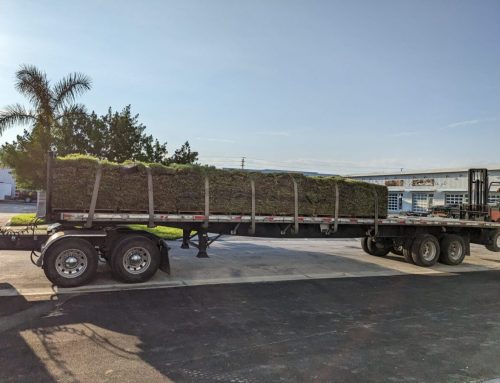
A sod project can be delayed if the delivery location is not planned ahead of time. Pallets need a practical drop area that does not block the work zone, damage finished surfaces, or require unnecessary hand-carrying across long distances. This is especially important on Long Island properties with narrow driveways, gates, street parking limits, or active construction.
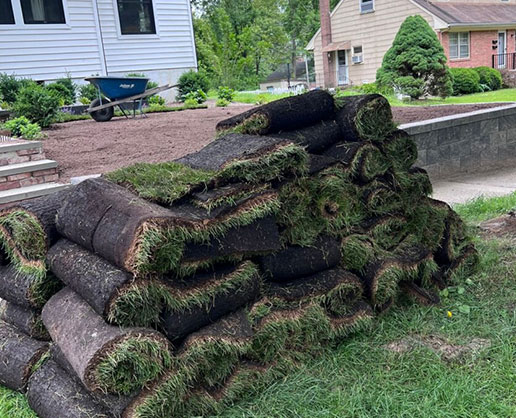
For delivery-only orders, homeowners should make sure the site is ready before the truck arrives and that there is a plan to install the sod quickly. For full installation projects, delivery timing should line up with the crew schedule so sod is not sitting longer than necessary. Fresh sod should be treated like a live product, not ordinary building material.
That is one reason local coordination matters. A Suffolk County project may involve a front-yard renovation in a dense neighborhood, a larger estate lawn, a builder turnover, or a commercial frontage. Each one has different access and staging requirements.
Watering new sod in Suffolk County
Watering is one of the most important parts of new sod success. After installation, sod needs consistent moisture so roots can knit into the prepared soil. The exact schedule depends on weather, soil, turf type, shade, and irrigation coverage, but the first days are critical.
In sandy or coastal areas, sod may dry faster than expected, especially during warm, windy weather. In shaded areas, the surface may stay damp longer, but that does not always mean every section is receiving even water. Irrigation should be checked for dry corners, overspray, runoff, and gaps between sprinkler zones.
A practical approach is to water soon after installation, keep the sod evenly moist during the early establishment period, and adjust as roots begin to take hold. Avoid letting edges, seams, slopes, and sunny areas dry out. Also avoid creating standing water that can cause soft soil, runoff, or poor rooting.
If you are planning a full-service project, review the sod installation guide before installation day so the property owner, contractor, or manager understands what happens after the lawn is laid.
Residential, builder, and commercial Suffolk County projects
Suffolk County sod work is not limited to one type of customer. Homeowners may need a front yard replaced after construction, a backyard refreshed before listing a home, or a complete lawn after grading. Builders may need reliable timing for new construction homes. Property managers and commercial owners may need clean turf around entrances, common areas, medians, or customer-facing spaces.
For homeowners, residential sod on Long Island should focus on curb appeal, usability, and realistic maintenance. For HOAs, retail sites, offices, and managed properties, commercial sod on Long Island should focus on coordination, staging, durability expectations, and minimizing disruption.
The best project plan starts by matching the scope to the site. A small delivery-only order has different risks than a larger installation where grading, access, and watering all have to line up.
Why choose a Long Island-focused sod company for Suffolk County?
Generic out-of-state sod pages may mention Suffolk County, but they often miss the practical details that make Long Island jobs succeed: sandy soil, coastal exposure, shaded older neighborhoods, estate properties, construction schedules, irrigation coverage, and local delivery access. A Long Island-focused company is better positioned to talk through those details before the sod is ordered.
Long Island Sod Company’s advantage is local relevance. The conversation can be about your actual property conditions, not a templated promise on a multi-state landing page. Whether you are planning delivery, installation, or a larger project, the right questions upfront can prevent delays, dry sod, poor rooting, and avoidable rework.
FAQ: Suffolk County sod installation
What is the best season to install sod in Suffolk County?
Moderate spring and fall weather is often easier on new sod, but projects can depend on irrigation, heat, site readiness, and the type of sod selected. The best timing is the window when the ground is prepared and the new lawn can be watered consistently.
Does sandy soil affect sod installation?
Yes. Sandy soil can drain quickly and dry out faster, especially near coastal or open areas. Proper soil preparation and careful watering are important so the sod can root into the soil instead of drying at the seams and edges.
Should I choose delivery only or full installation?
Delivery only can make sense if the site is already prepared and you have labor ready to install quickly. Full installation is better when you need help with prep, layout, timing, and coordination from delivery through the finished lawn.
Can sod be installed for builders, estates, HOAs, and commercial properties?
Yes. Larger projects simply need more coordination around access, staging, irrigation, schedule, and site readiness. Commercial and managed-property projects should plan around traffic, tenants, residents, or customer-facing areas.
How soon should new sod be watered?
New sod should be watered promptly after installation and kept evenly moist during the early establishment period. Conditions vary, so check sunny areas, edges, seams, slopes, and irrigation coverage carefully.
Ready to plan a Suffolk County sod project?
If you are preparing a lawn in Suffolk County, Long Island Sod Company can help you think through delivery, installation, sod selection, soil prep, and watering before installation day. Start with the contact page and share the project location, approximate lawn size, timing, access details, and whether you need delivery only or full installation.