Timing matters on Long Island. A sod project in Nassau County, Suffolk County, the North Shore, the South Shore, or the Hamptons is not just about picking a date on the calendar. Soil temperature, irrigation readiness, shade, sandy coastal conditions, salt exposure, and access for delivery all affect how quickly new sod roots into the lawn.
That is where a local Long Island sod company has an advantage over a generic out-of-state sod page. The best timing plan should account for how lawns actually behave across Long Island — from established residential properties with mature shade to builder lots, estate lawns, HOA common areas, and coastal properties that dry out quickly.
If you are planning a project now, Long Island Sod Company can help you decide whether you need sod delivery on Long Island, full sod installation on Long Island, or a delivery-and-prep plan that fits your property.
The short answer: spring and fall are usually the strongest sod windows
For many Long Island properties, spring and fall are the most forgiving times to install sod. The weather is usually milder, lawns are not under the same heat stress as midsummer, and homeowners often have an easier time keeping the new sod evenly watered while it roots.
Spring can be a strong choice when the soil is workable, the lawn area has been graded, and irrigation or hose coverage is ready before the sod arrives. Fall can also be excellent because cooler weather reduces stress on new grass, especially after summer heat has passed.
The key is not just the season. The key is whether the property is ready to receive sod.
Why Long Island conditions change the timing conversation
Long Island lawns are not all the same. A broad “New York sod” recommendation misses important local differences that can affect timing and aftercare.
Sandy and coastal soil can dry out quickly
Many Long Island properties have sandy soil or fast-draining sections, especially closer to coastal areas. That can be good for drainage, but it also means new sod may need careful watering during the rooting period. If the soil dries out between waterings, the sod can struggle before roots establish.
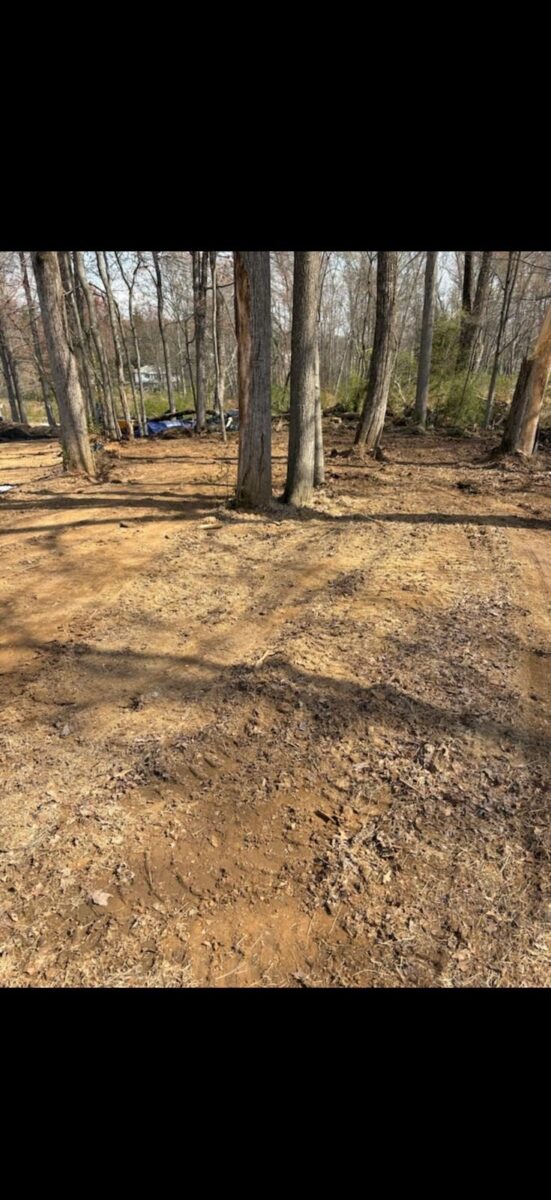
Before installation, the area should be graded, cleared of debris, and prepared so the sod makes firm contact with the soil. For deeper prep steps, see the Long Island sod installation guide.
North Shore and South Shore lawns can have different challenges
North Shore properties may include more slopes, tree cover, older landscapes, and shade pockets. South Shore and coastal properties may deal with more sand, wind, salt exposure, and fast-drying conditions. Those differences affect grass selection, watering, and whether the job should be scheduled during a milder weather window.
If you are still choosing the right grass, review the types of sod available on Long Island, including whether Zoysia sod on Long Island makes sense for your site.
Delivery access matters more than people expect
Sod is time-sensitive. Once it arrives, the site should be ready, the watering plan should be ready, and the installation area should be accessible. Long Island properties can have narrow driveways, tight streets, gated entries, builder access rules, or limited staging areas.
That is why timing should include more than weather. It should include delivery logistics, staging, crew access if you are using installation, and the homeowner’s ability to water immediately.
Is summer a bad time to install sod on Long Island?
Summer sod installation can work, but it is less forgiving. Heat, direct sun, sandy soil, and dry wind can increase watering demands. If the lawn is installed during a hot stretch, the watering plan has to be realistic from day one.
Summer may be practical for urgent projects, new construction deadlines, real estate preparation, commercial openings, or HOA/property-manager schedules. But the site must be ready before delivery, and someone needs to monitor moisture closely while the sod roots.
For commercial projects, builders, and managers coordinating larger areas, Long Island Sod Company’s commercial sod services can help align delivery, preparation, and installation timing.
Is winter too late for sod?
Winter is more complicated. Cool weather and dormancy can slow rooting, and frozen or overly wet soil can make proper preparation difficult. Some projects may need to wait for a better installation window, especially if grading, soil correction, or irrigation work is still unfinished.
If your project is not urgent, planning ahead for spring or fall usually gives the lawn a better chance to establish smoothly. If the project is tied to construction, sale preparation, or a property deadline, ask about practical timing before ordering.
Best timing by project type
Residential lawns
For residential sod on Long Island, spring and fall are often ideal because homeowners can focus on watering and access is easier to control. If the yard has shade, pets, children, sandy soil, or irrigation gaps, those details should shape the schedule.
New construction homes
New construction lawns should not be scheduled until grading, debris removal, soil preparation, and water access are ready. Sod can make a new property look finished quickly, but only if it is installed on prepared soil and watered immediately.
Hamptons, East End, and estate projects
Estate and East End projects often require more coordination: access windows, larger lawn areas, landscaper schedules, irrigation checks, and coastal exposure. The best installation date is usually the one where the lawn area is fully prepared and the watering plan is reliable — not simply the first open day.
HOAs and commercial properties
HOAs, commercial sites, and managed properties should plan around resident access, parking, irrigation zones, and maintenance schedules. A good timing plan reduces disruption and helps the lawn establish before heavy foot traffic resumes.
Delivery only vs. full installation: timing changes the decision
Some Long Island customers only need sod delivered because their landscaper, builder, or crew is handling the installation. Others need full installation because the property requires grading, prep, laying, trimming, and cleanup.
Delivery-only can work well when the site is ready and labor is lined up. Full installation may be better when timing is tight, the lawn has uneven areas, or the property owner wants one team to coordinate the project from delivery through installation.
If you are unsure which route fits your property, compare the options through Long Island sod delivery and Long Island sod installation.
A practical pre-scheduling checklist
Before you pick an installation date, confirm:
- The old lawn, weeds, rocks, and debris are removed or scheduled for removal.
- The soil is graded so water will not pool against the house, walks, or low spots.
- Irrigation, sprinklers, or hose coverage can reach the full lawn.
- Delivery access and staging are clear.
- Someone can water immediately after installation.
- Pets, children, tenants, or residents can stay off the new sod while it roots.
- Your sod type matches the site’s sun, shade, traffic, and coastal conditions.
This kind of preparation matters more than a generic calendar recommendation.
FAQ: Long Island sod installation timing
What is the best month to install sod on Long Island?
There is no single best month for every property, but many Long Island lawns do well in spring or fall when temperatures are milder and watering is easier to manage. The right date depends on soil prep, irrigation, shade, delivery access, and current weather.
Can sod be installed in summer on Long Island?
Yes, but summer installation requires more careful watering and planning. Heat, sandy soil, and direct sun can dry sod quickly, so the site and watering plan should be ready before delivery.
Should I install sod before or after irrigation work?
Irrigation or reliable watering should be ready before the sod is installed. New sod needs consistent moisture during the rooting period, and gaps in coverage can create weak areas.
Is fall better than spring for Long Island sod?
Fall can be an excellent window because cooler weather reduces stress, but spring can also work well when the soil is ready and watering is available. The best choice depends on the property and schedule.
Do coastal Long Island lawns need different timing?
Coastal lawns may dry out faster due to sandy soil, wind, and salt exposure. A milder installation window and a strong watering plan can make the project easier to manage.
Plan your Long Island sod project with a local team
A generic out-of-state sod page can tell you to install in spring or fall. A Long Island sod company can help you think through Nassau vs. Suffolk logistics, North Shore shade, South Shore coastal conditions, sandy soil, irrigation readiness, and whether delivery-only or full installation is the smarter move.
If you are planning a lawn project, contact Long Island Sod Company to discuss timing, delivery, sod selection, and installation options for your property.