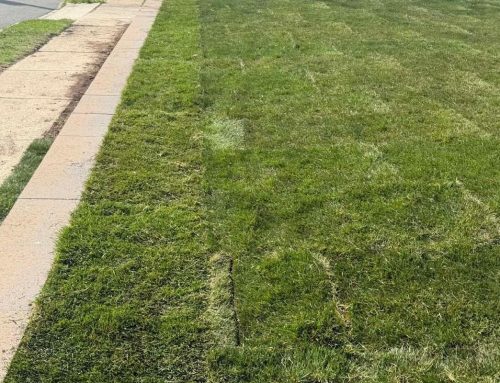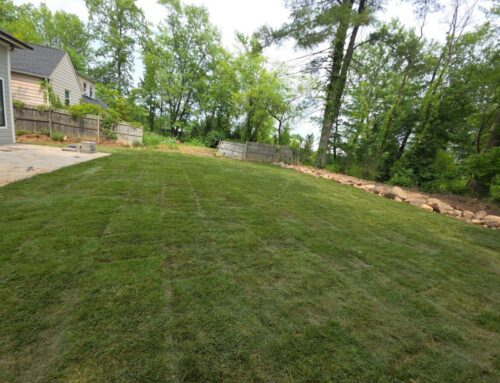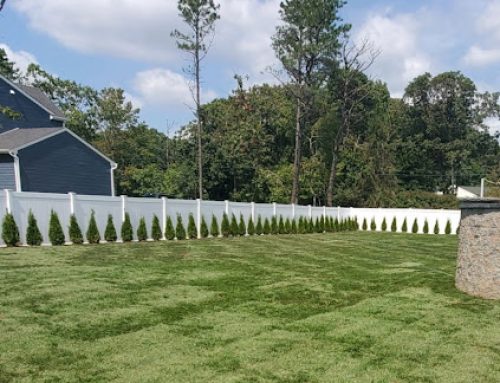
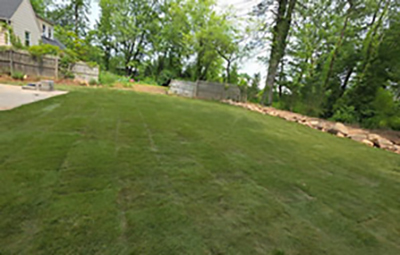
When a pool, patio, drainage project, or backyard renovation is finished, the lawn is often the last thing standing between a construction zone and a usable Long Island yard. Heavy foot traffic, machinery, material staging, trenching, fence work, and soil piles can leave ruts, compacted dirt, thin grass, or bare sandy areas around the new outdoor space. For many Nassau and Suffolk homeowners, sod is the fastest way to turn that damaged area back into a finished backyard.
But post-renovation sod repair is not the same as dropping turf onto an open front lawn. Backyard access can be tight, irrigation zones may have changed, and soil near a pool or patio often needs extra attention before sod is delivered. A local Long Island sod company can help plan the repair around the way Long Island properties are actually built: fenced side yards, narrow driveways, coastal sand, shaded tree lines, pool equipment, patios, decks, and busy summer schedules.
For homeowners comparing options, start with the full residential sod services on Long Island page, then use this guide to think through the lawn repair details before ordering.
Why Pool and Backyard Renovations Damage Long Island Lawns
Even careful contractors need access. A pool renovation or backyard upgrade may involve wheelbarrows, small machines, pallets, stone, plumbing work, drainage changes, or repeated foot traffic across the same path. By the time the project is complete, the lawn may have multiple problem areas:
- Compacted soil where crews moved materials through the yard.
- Bare strips along side-yard access routes.
- Low spots where soil settled after trenching or drainage work.
- Thin grass near new patios, coping, or walkways.
- Damaged irrigation heads or altered sprinkler coverage.
- Sandy areas that dry out quickly after grading.
- Shaded edges where old turf struggled even before construction.
A generic sod delivery page may tell you to measure square footage and water after installation. A Long Island-specific repair plan goes further: it asks whether the backyard drains correctly, whether the soil can hold moisture, whether salt or coastal wind is part of the site, and whether the new sod can be staged without blocking the street, driveway, or pool equipment access.
Step 1: Repair Grade and Soil Before Sod Arrives
The most important work happens before the sod is delivered. If sod is installed over compacted, uneven, or debris-filled soil, the finished lawn can look good for a short time and then decline once summer heat, shade, or poor irrigation exposes the weak base.
For Long Island pool renovation sod repair, the prep checklist should include:
- Remove construction debris, stone, roots, and leftover material from the lawn area.
- Loosen compacted soil where crews entered the backyard.
- Correct low spots so water does not sit against patios, coping, foundations, or fence lines.
- Blend soil transitions so the new lawn meets walkways, pool decks, patios, and existing turf cleanly.
- Confirm that water drains away from the pool area and toward appropriate landscape zones.
- Add or amend topsoil where sandy or disturbed soil will not support rooting.
- Test sprinklers before the sod delivery date, not after the grass is on the ground.
Long Island soils vary by neighborhood. A South Shore backyard may dry quickly because of sand and coastal exposure. A North Shore property may have heavier soil, slopes, mature trees, or shaded sections. East End and coastal sites can face wind, salt exposure, and large open lawn areas. That is why the Long Island sod installation guide is more useful than a generic one-size-fits-all checklist.
Step 2: Decide Between Delivery Only and Full Installation
After a backyard renovation, some homeowners only need fresh sod delivered. Others need help with soil prep, grading, cutting, fitting, and installation because the repair area wraps around patios, pool decks, steps, fences, or existing landscape beds.
Delivery-only may make sense when:
- The yard is already graded and clean.
- Irrigation coverage has been tested.
- The repair area is simple and easy to access.
- A landscaper or contractor is ready to install the sod immediately.
- The homeowner has enough help to lay sod the same day it arrives.
Full installation may be the better choice when:
- The lawn area was heavily damaged by construction access.
- The soil needs leveling or amendments.
- The sod must be cut around pool coping, patios, drains, beds, or walkways.
- The backyard has narrow access or a long carry from the delivery point.
- Timing matters because the yard needs to be ready quickly for family use, tenants, guests, or an event.
The sod delivery on Long Island page is the right place to start for delivery planning. If the repair is more involved, review sod installation on Long Island so the prep, delivery, and installation steps are coordinated.
Step 3: Plan Backyard Access Before the Truck Arrives
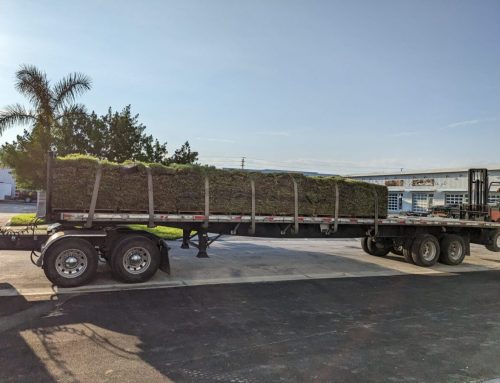
Backyard repairs are often more complicated than front-yard sod jobs because the delivery point and installation area are not the same place. A pallet may be dropped in the driveway, near the curb, or at another accessible staging location. From there, sod has to move through a gate, side yard, driveway, or walkway without damaging finished hardscape.
Before delivery day, check:
- Gate width and whether panels need to be removed.
- Clearance around AC units, pool equipment, fences, and deck stairs.
- Whether the driveway or curbside staging area is available.
- Whether cars, dumpsters, trailers, or building materials need to be moved.
- The distance from the drop point to the repair area.
- Whether sprinklers, hose bibs, and extension hoses are working.
This is where Long Island local experience matters. Many Nassau County properties have tight side-yard access and dense neighborhood parking. Suffolk County and East End properties may have longer driveways, larger lawns, or more spread-out staging needs. A broad Connecticut or multi-state sod page will not usually talk about these Long Island backyard logistics in useful detail.
Step 4: Match the Sod and Timing to the Yard
A pool renovation often changes how the yard functions. More sun may reach the lawn after tree removal. New fencing may create shade. A patio or deck can change drainage. A pool area may get heavy foot traffic from kids, pets, guests, and outdoor furniture.
Before ordering, think about:
- How many hours of direct sun the repaired area gets.
- Whether the lawn will handle pets, children, or entertaining.
- Whether the area is near salt air, bay exposure, or coastal wind.
- Whether existing irrigation reaches every edge of the new sod.
- Whether the repair should blend into existing turf or replace a larger section.
For grass-type planning, use types of sod available on Long Island. If the project can be timed around weather instead of forced immediately after construction, the best time to lay sod page can help compare spring, summer, and fall conditions.
Step 5: Water the New Sod Aggressively at First
New sod around a pool or patio needs water quickly and evenly. The edges near hardscape can dry faster because stone, concrete, pavers, and pool decks hold heat. Sandy Long Island soil can also dry quickly, especially in sunny South Shore or coastal backyards.
Before installation, run every irrigation zone and make sure heads are not blocked by new patios, fencing, plantings, or pool equipment. If sprinklers were moved during the renovation, do not assume coverage is still correct. Dry corners and missed strips can show up fast in summer.
After sod is installed, the first goal is root contact. The soil underneath should stay consistently moist while the sod begins rooting. Avoid heavy use until the sod has rooted enough to handle traffic. Pool furniture, grills, planters, and party setups should stay off the new lawn during the early establishment period.
When to Call a Long Island Sod Company
Call before the renovation is completely wrapped up if possible. Sod planning is easier when access, grading, irrigation, and cleanup can be coordinated before final materials are removed. That is especially true for backyard pool projects, where one missed access detail can make delivery and installation slower than expected.
Long Island Sod Company can help homeowners, builders, landscapers, and contractors think through delivery-only versus full installation, staging, soil preparation, timing, and sod selection for local conditions. Use the contact page to discuss the project location, yard access, timing, and whether the lawn needs delivery, installation, or a more complete repair plan.
FAQ: Long Island Pool Renovation Sod Repair
Can I install sod right after a pool renovation?
Yes, but only after the soil is cleaned, graded, loosened, and ready for rooting. If the yard is compacted or uneven after construction, prep the base first so the new sod does not fail.
Is sod better than seed after a backyard renovation?
For many Long Island homeowners, sod is faster and cleaner than seed after a pool or patio project. It gives the yard an immediate finished surface and reduces the time bare soil is exposed, but it still needs proper soil prep and watering.
What if the backyard has narrow access?
Plan the delivery and staging route before the sod arrives. Check gate width, side-yard clearance, driveway space, and the distance from the drop point to the repair area. Tight access may make full installation more practical than delivery-only.
Will sandy Long Island soil affect the repair?
Yes. Sandy soil can drain and dry quickly, especially near South Shore or coastal areas. Soil amendments, correct watering, and irrigation coverage are important for successful rooting.
Should I replace only the damaged strips or the whole backyard lawn?
It depends on how much lawn was disturbed and whether the old grass will blend with the new sod. If construction damage is scattered across the yard, replacing a larger section may create a cleaner finished look.
CTA
If your Long Island backyard was damaged during a pool renovation, patio project, drainage repair, fence replacement, or construction access, Long Island Sod Company can help plan the sod delivery or installation. Start with residential sod service or request help through the contact page.