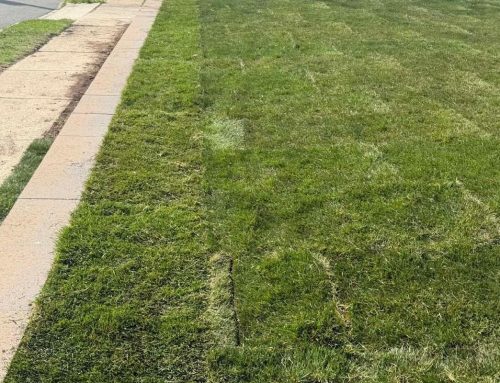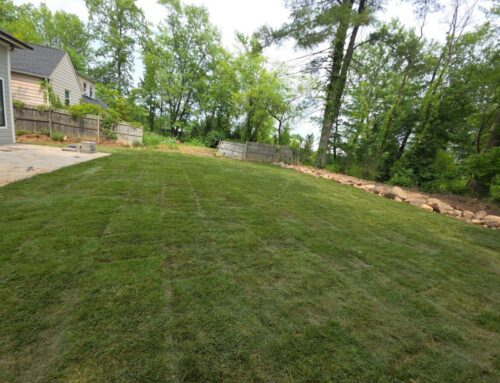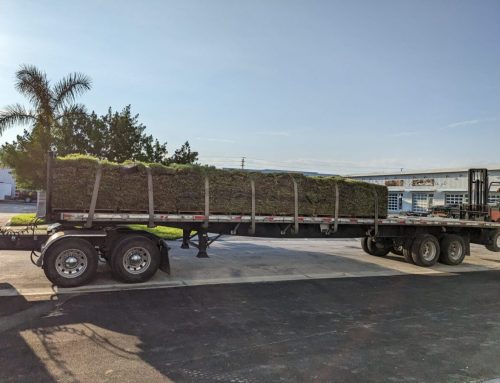
Commercial sod installation on Long Island is not the same as ordering grass for a single backyard. HOAs, property managers, builders, schools, retail sites, apartment communities, and commercial properties have to plan around access, resident traffic, irrigation, soil prep, drainage, and timing. A generic Northeast sod page may tell you that sod can be delivered to New York, but it will not help much when you need a common-area lawn replaced in Nassau County, a Suffolk County entrance repaired before showings, or a South Shore property refreshed after construction.
That is where a Long Island-focused sod company matters. Long Island properties deal with a mix of sandy soils, coastal exposure, shaded established neighborhoods, tight delivery access, irrigation differences, and high-visibility lawns that need to look clean quickly. For commercial and managed properties, the best sod plan is not just “drop pallets and hope.” It is a coordinated process that protects the job site, reduces downtime, and gives the new lawn the best chance to root.
Why commercial sod projects need more planning than residential lawn repairs
Commercial and HOA sod projects usually involve more people and more constraints. A homeowner can often block off a section of yard for a few weeks. A property manager may need to coordinate around residents, tenants, landscapers, board approvals, parking areas, irrigation access, vendor insurance requirements, and maintenance schedules.
Common commercial sod situations on Long Island include:
- HOA entrance lawns and clubhouse areas that need a clean first impression.
- Apartment or condo common areas with worn footpaths.
- Retail and office properties with curb-facing lawn damage.
- Builder and contractor projects where bare soil needs a finished look before turnover.
- Estate, municipal, or school properties with larger open turf areas.
- Coastal and South Shore sites where sandy soil or salt exposure affects establishment.
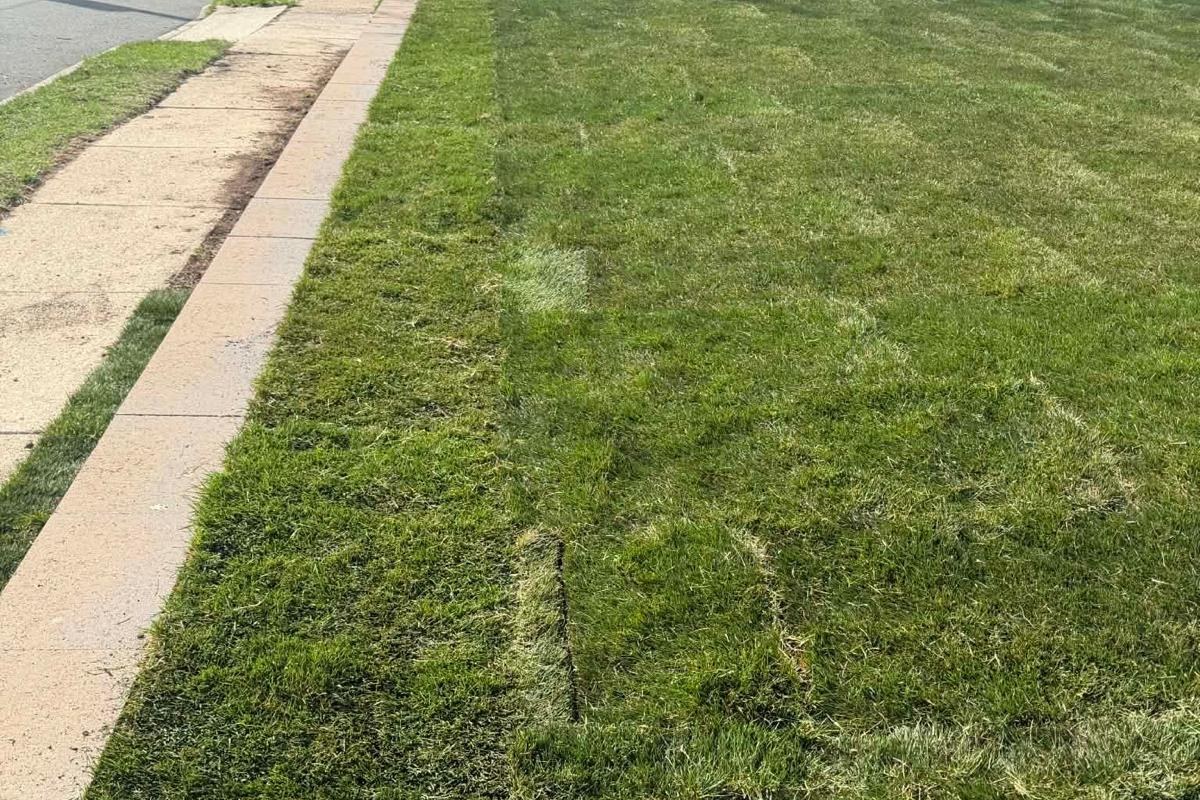
For these jobs, sod can be a strong choice because it creates an immediate finished surface compared with seed. But the speed of the visual result does not remove the need for careful preparation and watering.
Start with site access and delivery staging
Before scheduling sod, property managers should think through where pallets can be delivered, how close trucks can get to the installation area, and whether the site has narrow drives, low branches, soft ground, locked gates, parking restrictions, or resident traffic patterns.
On Long Island, this can vary widely. A Nassau County condo property may have tight parking and landscaped entrances. A Suffolk County commercial site may have more room but longer distances from drop-off to installation. Hamptons and East End properties may require extra attention to gates, estate access, construction schedules, and landscape protection.
If you only need material delivered, start with Long Island Sod Company’s sod delivery on Long Island service page. If you need the project handled from prep through installation, review sod installation services on Long Island so the delivery plan and installation sequence work together.
Soil prep matters on Long Island commercial lawns
A commercial lawn can fail quickly if new sod is installed over compacted soil, construction debris, poor grading, or dry sandy areas without a watering plan. Long Island conditions can be especially variable from property to property.
North Shore sites may have more shade, slopes, tree roots, and established landscapes. South Shore and coastal sites may see sandier soil, salt exposure, wind, and faster drying. Larger commercial lawns may also have irrigation zones that do not cover evenly after a site has been renovated.
Before sod is installed, the property should be reviewed for:
- Compacted or uneven areas that need loosening or grading.
- Low spots where water may collect after rain or irrigation.
- Sandy zones that dry faster than the rest of the lawn.
- Shaded areas that may need different expectations or grass selection.
- Old turf, weeds, rocks, debris, or construction material that should be removed.
- Irrigation coverage, especially along edges, medians, and entrance lawns.
For a deeper overview of prep and installation sequence, property teams can use the Long Island sod installation guide as a planning reference.
Choosing sod for HOA, commercial, and managed properties
The best sod choice depends on how the lawn will be used. A decorative entrance area has different needs than a dog-walk zone, courtyard, play area, or traffic-heavy strip beside parking. Long Island Sod Company’s types of sod available on Long Island page is a good starting point for comparing options.
Property managers should think about:
- Sun and shade exposure throughout the day.
- Foot traffic from residents, employees, pets, and visitors.
- Irrigation reliability during the first few weeks.
- Salt, wind, or sandy soil near coastal areas.
- Maintenance expectations after installation.
- Whether the goal is a premium appearance, durability, or a practical repair.
For some properties, Zoysia may be worth discussing for specific use cases, especially where heat tolerance and density are priorities. It is not automatically the right answer for every Long Island commercial property, but it can be part of the conversation. Learn more at Zoysia sod on Long Island.
Timing commercial sod around residents, tenants, and watering
Timing affects both installation quality and property disruption. Spring and fall are often preferred windows because temperatures are less stressful and watering is easier to manage. Summer projects can still happen, but they usually require tighter water management and faster coordination.
For HOAs and property managers, timing questions include:
- Can irrigation be tested before the sod arrives?
- Who is responsible for watering after installation?
- Can the area be temporarily roped off or signed?
- Are there board meetings, tenant events, inspections, or turnovers to plan around?
- Will landscapers be instructed not to mow too early?
- Is there a backup plan for heat, wind, or heavy rain?
The best time to lay sod resource can help managers think through the calendar before committing to a project date.
Delivery only vs. full commercial installation
Some commercial customers already have a landscape contractor or in-house maintenance team and only need fresh sod delivered. Others need full installation because the site requires removal, grading, staging, labor, or a coordinated finish.
Delivery-only may make sense when:
- Your contractor is already handling prep and installation.
- The site has simple access and clear staging areas.
- The team can install the sod quickly after delivery.
- Watering responsibilities are already assigned.
Full installation may be better when:
- The property has multiple common areas or phased work.
- Soil prep, grading, or old turf removal is part of the project.
- The site has access constraints or resident/tenant disruption concerns.
- You want one Long Island-focused sod team coordinating the process.
Commercial customers can review commercial sod installation on Long Island for the service overview, then use the contact page to discuss the property type, timing, location, access, and project goals.
How Long Island Sod Company beats generic out-of-state sod pages
Out-of-state and multi-state sod companies often publish broad pages that list Long Island towns without explaining how the work actually changes here. That is not enough for an HOA board, builder, or property manager responsible for a visible commercial lawn.
A stronger Long Island sod plan accounts for Nassau and Suffolk logistics, North Shore and South Shore site differences, coastal soil, salt exposure, irrigation, tight access, and the realities of managed properties. It also helps the buyer decide between delivery-only and full installation instead of pushing one generic option.
Long Island Sod Company is built around that local focus. The goal is not just to sell sod into Long Island — it is to help Long Island properties get a finished lawn that works for the site.
FAQ: Commercial sod installation on Long Island
Is sod a good choice for HOA common areas?
Yes, sod is often a strong option for HOA common areas because it creates an immediate finished lawn surface. The key is planning for traffic control, watering, irrigation coverage, and maintenance after installation.
Can sod be delivered to a commercial property if our landscaper installs it?
Yes. Delivery-only can be a practical option when your landscaper or maintenance team is prepared to install the sod quickly and water it properly. Review the delivery plan, staging area, and installation schedule before ordering.
What should property managers prepare before a sod project?
Confirm site access, irrigation, watering responsibility, resident or tenant communication, old turf removal, soil prep, and any approvals needed from the board or ownership group.
Does coastal Long Island soil change the sod plan?
It can. Sandy soil, wind, salt exposure, and fast drying can affect watering and establishment. Coastal sites should be reviewed carefully so the sod is not installed over poorly prepared or overly dry soil.
When should HOAs schedule sod installation on Long Island?
Spring and fall are often easier windows, but timing depends on the site, weather, irrigation, and project urgency. Summer projects may need more careful watering and faster coordination.
CTA
Planning a commercial sod project, HOA lawn replacement, builder turnover, or managed-property lawn repair on Long Island? Contact Long Island Sod Company with the property location, project type, access notes, approximate lawn area, and target timing so the team can recommend delivery-only or full installation support.