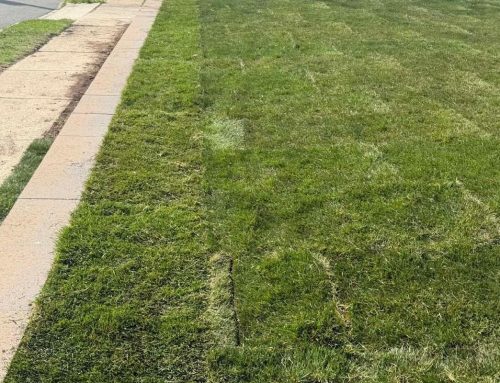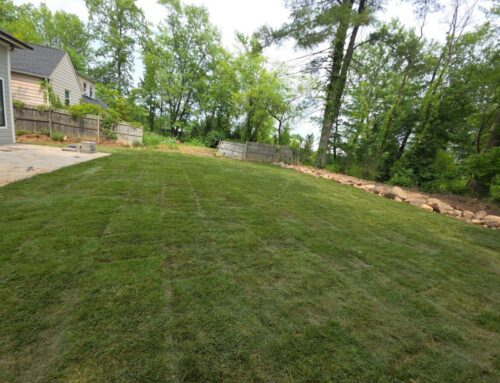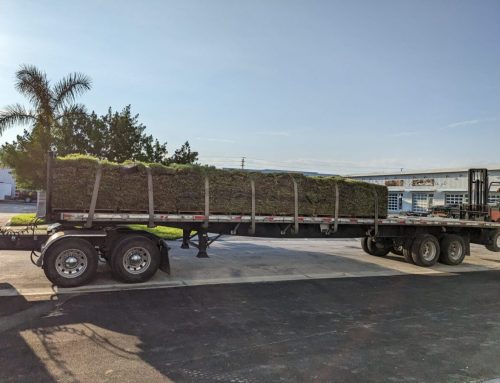
Ordering sod in Nassau County is not the same as ordering a generic pallet of grass from a broad Northeast delivery page. Long Island lawns have their own mix of tight residential streets, established neighborhoods, coastal influence, irrigation expectations, shade from mature trees, and homeowner timelines that do not always match a one-size-fits-all sod delivery process.
For homeowners, builders, landscapers, and property managers in Nassau County, the best results usually come from planning the delivery around the property, the installation window, and the first watering cycle before the sod ever arrives. That is where a Long Island-focused company has an advantage over an out-of-state or multi-state page that only lists towns and asks for a quote.
If you are comparing options, start with sod delivery on Long Island, then decide whether your project also needs professional sod installation or a delivery-only approach.
Why Nassau County sod delivery needs local planning
Nassau County properties can vary dramatically from one neighborhood to the next. A front lawn near the South Shore may have different drainage and salt-air exposure than a shaded North Shore property with mature trees and slopes. Some homes have simple driveway access, while others require careful staging so pallets do not block a street, sidewalk, garage, or contractor work area.
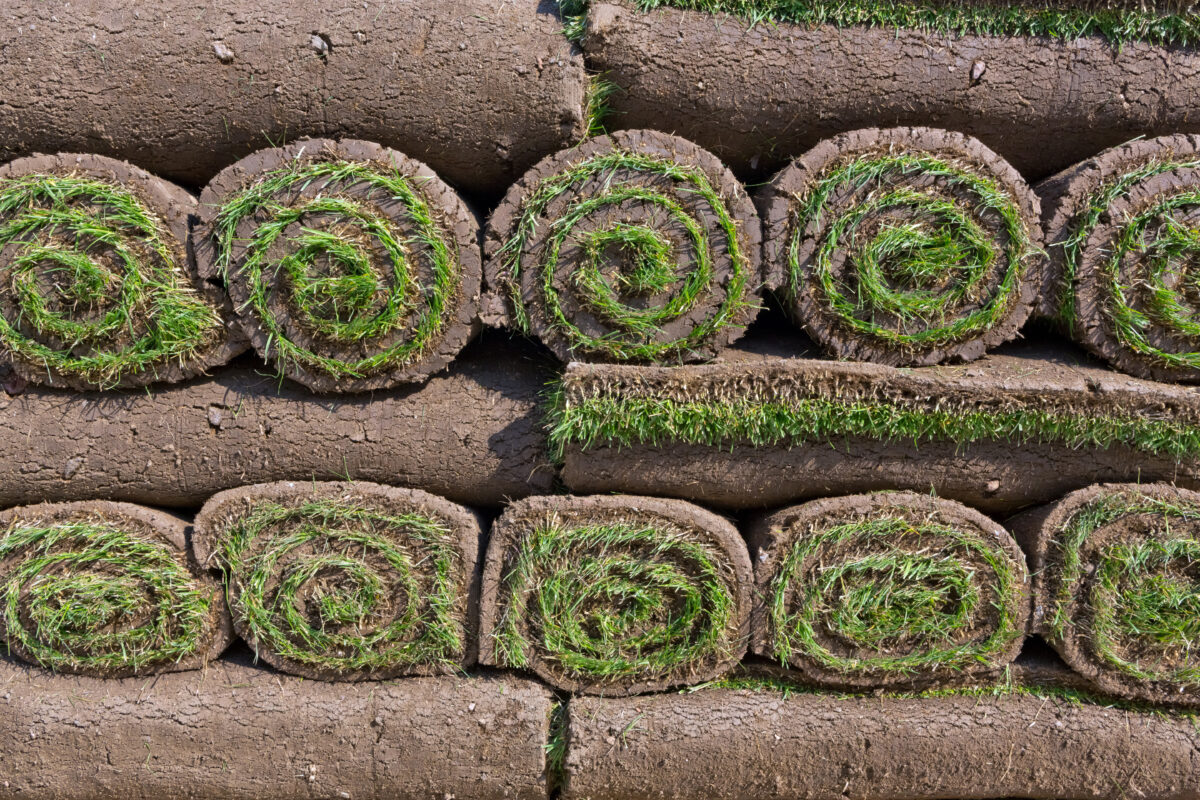
Fresh sod is perishable. It should be delivered as close as practical to the installation time, kept accessible, and watered promptly once it is laid. That makes local timing and communication more important than simply finding the cheapest delivery option.
What homeowners should confirm before the sod truck arrives
1. Where the sod can be dropped safely
Before delivery day, decide where pallets or rolls can be staged without damaging driveways, blocking access, or forcing installers to carry sod farther than necessary. On tighter Nassau County blocks, delivery access may need to account for cars, curbs, landscaping, gates, fences, and active construction work.
2. Whether the lawn area is fully prepared
Sod should not arrive before the area is ready. Old grass, weeds, debris, uneven soil, major grading issues, and irrigation problems should be addressed first. If the soil is compacted or uneven, fresh sod may look good for a few days but struggle to root evenly.
Homeowners planning a full-service project should review the sod installation guide before delivery so the prep, laying, watering, and first mow expectations are clear.
3. How quickly the sod will be installed
The shorter the gap between delivery and installation, the better. Sod left sitting in heat, direct sun, or poor airflow can dry out quickly. In warm weather, that timing matters even more. If you are not installing the sod yourself, coordinate delivery with the installation crew instead of having material arrive too early.
4. Whether irrigation or hoses are ready
New sod needs immediate and consistent watering after installation. In Nassau County, where summer heat, coastal wind, and sandy pockets can dry the top layer quickly, homeowners should make sure hoses, sprinklers, irrigation zones, and water access are ready before the sod is laid.
Delivery only vs. delivery with installation
Delivery-only can work when a homeowner, landscaper, or contractor already has the labor, prep, and watering plan handled. It is often the right fit for experienced crews and straightforward lawn areas.
Full installation is usually the better choice when the property has uneven soil, heavy shade, slope, old turf removal, irrigation questions, or a tight timeline. If the project is for a primary residence, new construction home, rental property, estate, HOA, or commercial site, installation support can help prevent costly mistakes during the most important first days.
Long Island Sod Company supports both residential sod projects and commercial sod projects across Long Island, depending on the needs of the property.
Choosing sod for Nassau County conditions
Not every lawn area has the same needs. Sunny, high-use yards may call for a different approach than shaded side yards, pool areas, or coastal properties. Soil texture, drainage, sunlight, irrigation, pets, children, and expected traffic all affect what should be installed and how it should be cared for.
Before ordering, review the types of sod available on Long Island. If you are considering a specialty option, the Zoysia sod Long Island page can help you understand where it may fit and where another option may be more practical.
Best timing for Nassau County sod delivery
Spring and fall are often easier windows for establishing sod because temperatures are more forgiving and watering stress can be lower. Summer delivery can still be successful, but the watering plan becomes more important and the sod should not sit around after arrival.
For a deeper timing breakdown, see the best time to lay sod on Long Island. The right timing depends on the property, project urgency, irrigation, shade, and the level of site preparation already completed.
Why a Long Island company is stronger than a generic delivery page
Out-of-state and multi-state sod pages can rank for broad searches, but they often miss the details a Nassau County homeowner actually needs: access constraints, local soil patterns, coastal exposure, watering urgency, installation coordination, and Long Island buyer expectations.
A Long Island-specific company can speak directly to Nassau and Suffolk conditions, not just insert a town name into a template. That matters when you are trying to turn a bare or patchy lawn into a finished property that looks right and roots properly.
Quick checklist before ordering sod in Nassau County
- Measure the lawn area carefully and allow for waste around curves or edges.
- Confirm whether you need delivery only or full installation.
- Prepare the soil before the delivery date.
- Choose a drop-off location with clear access.
- Make sure water is available immediately after installation.
- Plan delivery timing around weather, labor, and the first watering cycle.
- Ask about sod options based on sun, shade, traffic, and coastal conditions.
FAQ: Sod delivery in Nassau County
Can sod be delivered before my lawn is fully prepared?
It is better to prepare the lawn first. Fresh sod should be installed quickly after delivery, so old grass removal, grading, soil preparation, and irrigation checks should be handled before the material arrives.
Is delivery-only sod a good option for homeowners?
It can be, especially if you already have help lined up and understand the prep and watering requirements. If the project has grading issues, shade problems, drainage concerns, or a tight timeline, delivery with installation may be safer.
How soon should Nassau County sod be watered?
Water should be ready as soon as the sod is installed. The first watering helps the sod settle against the soil and begin the rooting process. Do not wait until the next day to figure out hoses or irrigation coverage.
Does Nassau County need different sod planning than other areas?
Yes. Nassau County properties can include coastal influence, sandy pockets, mature shade, compact neighborhoods, and high curb-appeal expectations. Local planning helps match delivery, preparation, and aftercare to the actual property.
Talk to Long Island Sod Company
If you are planning sod delivery in Nassau County, Long Island Sod Company can help you think through timing, access, grass options, and whether delivery-only or installation support makes more sense. Start with the Long Island sod delivery page or contact Long Island Sod Company to discuss your project.