East End sod installation is not the same as ordering a generic lawn delivery from an out-of-state page. The North Fork, South Fork, Hamptons, and eastern Suffolk properties often combine sandy soil, coastal exposure, long driveways, tight delivery windows, irrigation details, and high expectations for a clean finished lawn. If the site is not ready when sod arrives, even good turf can struggle.
Long Island Sod Company focuses on Long Island properties, not broad multi-state coverage. That local focus matters when a homeowner, builder, landscape contractor, estate manager, or property manager needs sod delivered and installed in conditions that are common on the East End. The right plan starts before the truck arrives: soil prep, access, staging, timing, sod selection, and watering all need to line up.
Why East End sod projects need more local planning
The East End has a mix of residential lawns, new construction homes, estate landscapes, commercial sites, builder projects, and seasonal properties. A small backyard project in Riverhead or Southold can have different access and watering challenges than a larger South Fork estate or a coastal property closer to bay or ocean exposure. A generic “sod in New York” article usually misses those details.
Before scheduling sod installation on Long Island, the site should be reviewed for sunlight, grade, drainage, soil texture, irrigation coverage, and how sod can be staged without blocking a driveway, damaging existing landscaping, or sitting too long before installation.
Soil prep matters on North Fork and South Fork lawns
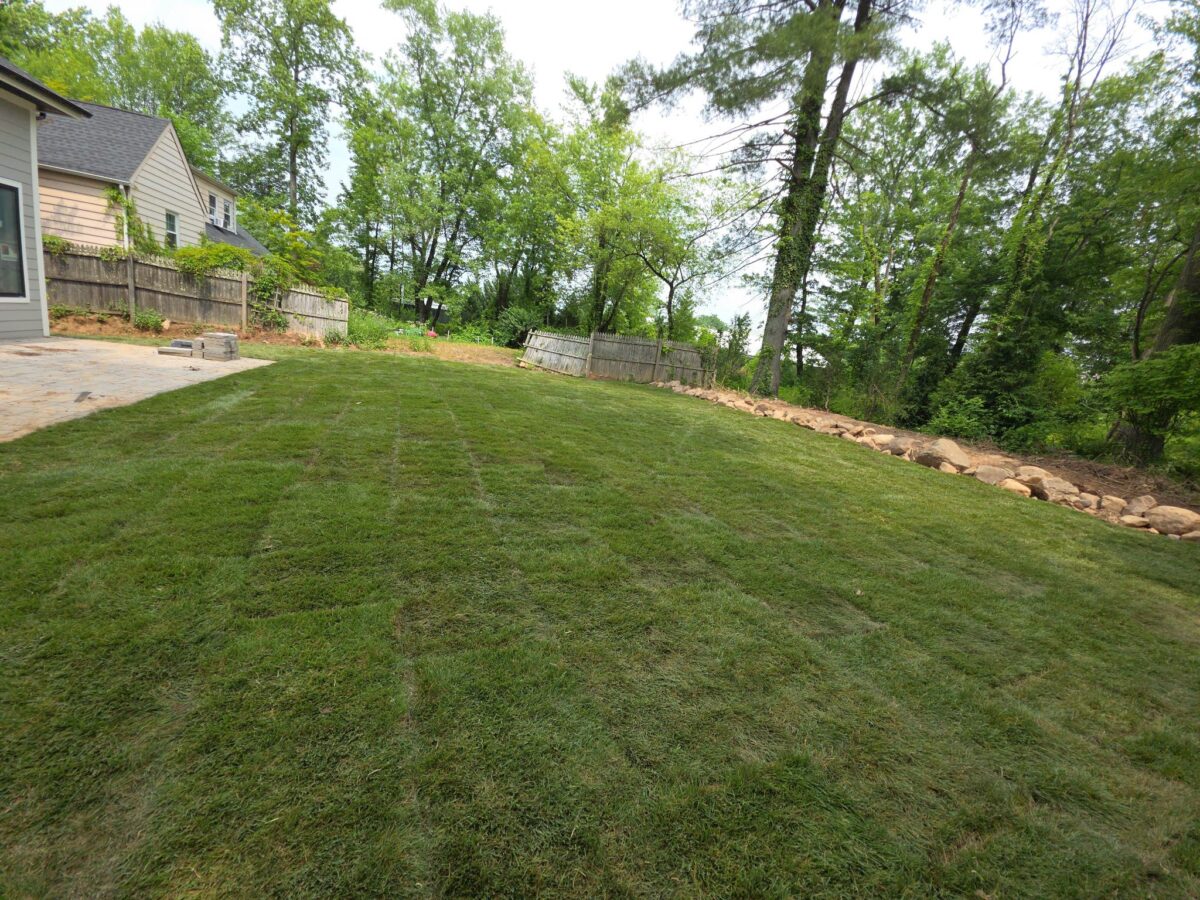
Many East End lawns have sandy or fast-draining soil. That can be helpful for drainage, but it also means new sod may dry out quickly if the root zone is not prepared and watered correctly. Coastal and open properties can also deal with wind, salt exposure, and intense summer sun. The goal is not just to lay green sod; it is to help the sod root into a prepared lawn area.
Key prep steps before sod arrives
- Remove old grass, weeds, roots, debris, and construction leftovers.
- Correct low spots, uneven grades, and areas that hold water.
- Loosen and amend compacted or sandy soil where needed.
- Confirm sprinkler heads cover the full installation area.
- Make sure the final grade drains away from homes, patios, pools, and walkways.
- Schedule delivery when the crew or homeowner is ready to install and water immediately.
For a deeper planning checklist, see the Long Island sod installation guide before choosing a delivery date.
Access and staging can make or break the day
East End properties can have long driveways, narrow gates, gravel access, pool areas, garden beds, fences, and finished hardscapes that make staging important. Delivery-only orders and full-service installations both need a clear plan for where sod will be placed and how quickly it can be moved into position.
For homeowners and contractors comparing options, Long Island sod delivery should be coordinated around site readiness, weather, and install labor. Sod should not be treated like a material that can sit indefinitely. Once it arrives, the clock starts.
Questions to answer before delivery
- Can the truck reach the staging area safely?
- Will the sod be placed close enough to the installation area?
- Are gates, fences, pool equipment, or outdoor furniture in the way?
- Is there room to work without damaging existing landscape features?
- Who is responsible for moving, laying, and watering the sod immediately?
Watering is critical after East End sod installation
Fresh sod needs immediate water. On sandy, sunny, or windy East End sites, missing the first watering window can stress the turf quickly. Before the installation date, test the irrigation system and confirm that every zone works. If the property relies on hoses and sprinklers, have them set up before the sod is installed.
New sod should be kept consistently moist during establishment, while avoiding puddling or runoff. The exact watering schedule depends on season, soil, sun exposure, and weather, but the first two weeks matter most. Properties near the coast or with open southern exposure may need closer attention during hot or breezy stretches.
Delivery-only vs. full installation on the East End
Some contractors, builders, and experienced homeowners only need sod delivered. Others need a full installation plan because prep, labor, grading, and watering coordination are too important to leave loose. If the project involves a larger lawn, new construction, an estate property, a commercial site, or an HOA/common-area lawn, it is worth comparing the risks of delivery-only versus full-service installation.
Long Island Sod Company supports both residential and commercial planning. Homeowners can start with residential sod services on Long Island, while builders, property managers, and businesses can review commercial sod installation options.
Choosing the right sod for East End conditions
The right sod choice depends on sunlight, traffic, irrigation, maintenance expectations, and the specific lawn setting. A sunny South Fork lawn, shaded North Fork yard, rental property, commercial frontage, or family backyard may not all need the same grass decision. Review types of sod available on Long Island before ordering so the lawn plan matches the site.
Timing matters too. Spring and fall are often attractive installation windows because temperatures are more moderate, but successful projects can also happen outside those windows when soil prep and watering are handled correctly. See the best time to lay sod for more timing guidance.
Why local Long Island expertise beats generic out-of-state sod pages
Out-of-state and multi-state sod pages may mention Long Island, but they often do not explain the real job conditions that affect East End lawns. Local expertise helps homeowners and contractors ask better questions: Is the irrigation ready? Is the sandy soil prepared? Is the access route clear? Is the sod staged close enough? Is the project better suited for delivery-only or full installation?
That is the advantage of working with a Long Island-focused sod company. The article, estimate conversation, and project planning can stay grounded in Long Island conditions instead of generic copy written for every town in the Northeast.
FAQ: East End sod installation
Is sod installation different on the East End of Long Island?
It can be. Sandy soil, coastal exposure, wind, irrigation coverage, access, and seasonal property schedules can all affect the plan. The sod still needs proper prep, fast installation, and consistent watering.
Can sod be delivered to a North Fork or South Fork property without installation?
Delivery-only can work when the site is fully prepared and someone is ready to install and water right away. If prep, grading, access, or labor is uncertain, full installation may reduce risk.
What should be ready before the sod truck arrives?
The old lawn or debris should be removed, soil should be graded and prepared, access should be clear, irrigation should be tested, and the installation plan should be set before delivery.
How soon should new sod be watered?
Immediately after installation. East End lawns with sandy soil, sun, or wind can dry quickly, so watering should be planned before installation begins.
Who should I contact for East End sod delivery or installation?
Use the Long Island Sod Company contact page to discuss the property, timing, delivery access, sod type, and whether delivery-only or installation makes more sense.
Plan an East End sod project with a Long Island-focused team
If you are planning sod for a North Fork, South Fork, Hamptons, eastern Suffolk, residential, builder, contractor, HOA, or commercial project, start with the local details. Long Island Sod Company can help align sod delivery, installation planning, site prep, and watering expectations around the way Long Island properties actually work.
Ready to plan your lawn? Contact Long Island Sod Company to discuss your East End sod delivery or installation project.