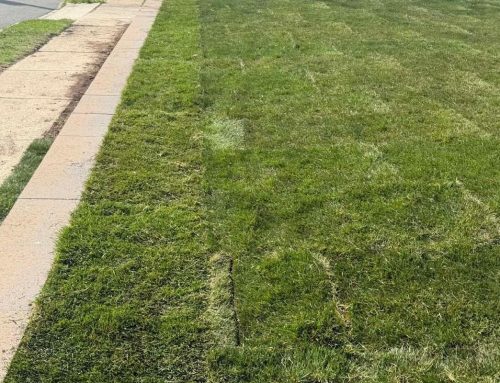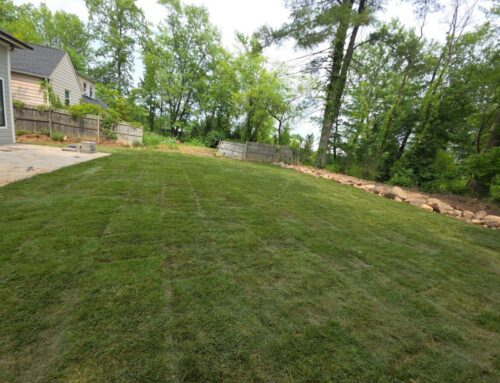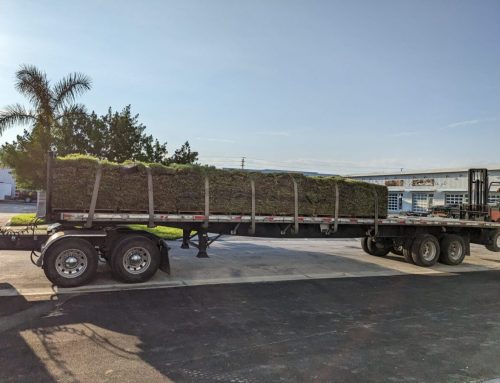
For contractors and landscapers working on Long Island, sod delivery is not just a material order. It has to line up with access, prep work, irrigation, weather, labor, and the expectations of homeowners, builders, estates, HOAs, and commercial property managers. A generic sod delivery page can say “we deliver to New York,” but Long Island jobs need tighter planning than that.
Nassau County streets, Suffolk County driveways, North Shore grade changes, South Shore sandy soil, and East End estate schedules can all change how a sod project should be staged. Long Island Sod Company focuses on the local details that help contractors keep a lawn project moving without letting fresh sod sit too long, dry out, or get staged in the wrong place.
Why Contractor Sod Delivery on Long Island Needs Local Planning
Long Island projects often have limited room for mistakes. A residential renovation in Nassau may have narrow access and street parking limits. A Suffolk County new-construction job may need final grading completed before delivery. A Hamptons or East End landscape project may involve a builder, irrigation contractor, landscape designer, and homeowner representative all working on the same schedule.
That is why the best sod delivery plan starts before the truck arrives. Contractors should think through where the sod will be dropped, who will be onsite, whether the soil is ready, and how quickly installation and watering can begin. If the job needs more than delivery, Long Island Sod Company also supports sod installation on Long Island for projects where a full install makes more sense than material-only delivery.
Jobsite Access: The First Question Before Ordering Sod
Access can be one of the biggest differences between a smooth delivery and a frustrating day. Long Island jobsites vary widely: tight suburban streets, long estate driveways, gated communities, side-yard access, commercial parking areas, and active construction sites. Before placing the order, contractors should confirm:
- Where the sod should be staged so installers can move efficiently.
- Whether the delivery area is clear of cars, dumpsters, materials, or equipment.
- Whether the street, driveway, or parking lot can handle the planned delivery.
- Whether the property has gates, low branches, steep slopes, or tight turns.
- Who is responsible for receiving the delivery and directing placement.
For delivery-only projects, the crew installing the sod should be ready to move as soon as possible. Fresh sod performs best when it is installed quickly, watered correctly, and not left stacked in heat or wind. Contractors planning delivery-only work can start with the Long Island sod delivery page and then coordinate the job details around the actual site conditions.
Soil Prep Matters More on Sandy and Coastal Long Island Sites
Many Long Island lawns deal with sandy soil, coastal exposure, compacted construction soil, or older lawns with uneven drainage. These conditions are especially important for contractors because the finished lawn is what the client sees after everyone leaves. A perfect delivery cannot overcome poor soil prep.
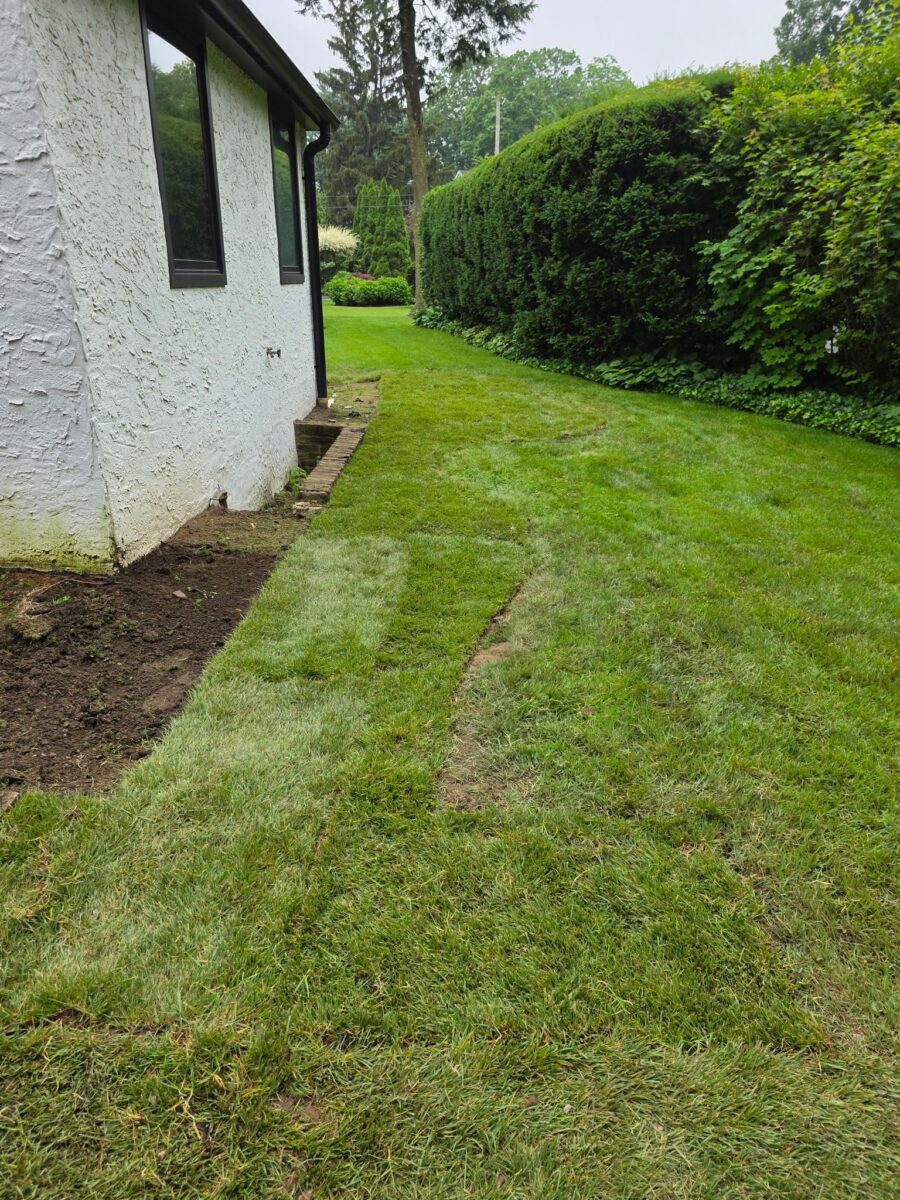
Before sod arrives, the area should typically be cleared, graded, loosened where needed, and prepared so the sod can root into the soil below. South Shore and coastal projects may need extra attention to water retention and irrigation because sandy soil can dry out quickly. North Shore properties may require more attention to slopes, shade, tree roots, and drainage patterns.
For a deeper overview of prep and installation sequencing, contractors can reference the Long Island sod installation guide. The key point is simple: the better the base, the better the finished lawn will look for the homeowner, builder, HOA, or commercial client.
Timing: Do Not Let Fresh Sod Wait on the Jobsite
Fresh sod is perishable. It should be treated more like a live plant than a pallet of hardscape material. Long Island contractors should avoid scheduling sod delivery before grading, irrigation, cleanup, or labor are ready. If sod arrives too early, it can sit in the sun, heat up, dry out, or become harder to install cleanly.
Spring and fall are often attractive windows because temperatures are more forgiving, but summer installations can still work when watering and labor are managed carefully. Coastal wind, hot driveways, and exposed jobsite staging areas can dry sod faster than expected. The safest plan is to have the installation area ready, the crew scheduled, and water available before delivery.
For seasonal planning, Long Island Sod Company’s best time to lay sod resource can help contractors explain timing tradeoffs to clients.
Delivery Only vs. Full Installation for Contractor Projects
Some contractors only need sod delivered because their own crew will handle installation. Others prefer a full installation partner when the project schedule is tight, the site is larger, or the client expects a turnkey result. The right choice depends on labor, timeline, site complexity, and accountability.
Delivery-only can make sense when:
- Your crew is experienced with sod installation and watering setup.
- The site is already graded and ready.
- You have enough labor to install the sod quickly.
- You can receive and stage the delivery properly.
Full installation can make sense when:
- The job has a tight deadline or multiple trades involved.
- The property needs prep, grading, or installation coordination.
- The homeowner, builder, or property manager wants a cleaner handoff.
- The site has access issues, slopes, shade, or coastal soil concerns.
For residential projects, see residential sod services on Long Island. For larger properties, builders, associations, and site managers, the commercial sod services page is the better starting point.
What Contractors Should Confirm Before Delivery Day
A strong delivery plan avoids last-minute confusion. Before the sod is scheduled, confirm the project address, delivery contact, preferred drop zone, access notes, approximate square footage, site readiness, and whether the work is delivery-only or installation-supported. Contractors should also verify that irrigation or temporary watering is available immediately after installation.
On Long Island, this communication is especially helpful because jobsite conditions can change block by block. A Nassau County side yard, a Suffolk County builder lot, a North Shore estate, and a South Shore coastal property may all need different staging and watering plans. Local experience helps prevent a generic delivery from turning into a jobsite problem.
How This Helps Contractors Beat Generic Out-of-State Sod Pages
Out-of-state or multi-state sod pages often compete for Long Island searches with broad claims and location templates. Contractors need more than a page that mentions “New York.” They need a sod partner that understands Long Island access, sandy soil, coastal conditions, shade, irrigation urgency, and the way local homeowners and property managers judge a finished lawn.
Long Island Sod Company is built around that local focus. Whether the project is a Nassau County backyard, a Suffolk County new build, a Hamptons landscape job, an HOA common area, or a commercial property, the delivery plan should match the actual Long Island site.
FAQ: Sod Delivery for Long Island Contractors and Landscapers
How far ahead should contractors plan sod delivery on Long Island?
Contractors should plan early enough to coordinate grading, irrigation, labor, access, and the delivery window. The most important rule is not to schedule sod before the site is ready to install and water it.
Can Long Island Sod Company help with both delivery and installation?
Yes. Projects can be planned as delivery-only or full installation depending on the contractor’s crew, the site, and the client’s expectations. Start with the delivery or installation page and share the job details.
What should be ready before sod arrives?
The soil should be prepped, the area should be accessible, the drop zone should be clear, and watering should be available immediately after installation. Fresh sod should not sit for long periods before being installed.
Does sandy Long Island soil change the plan?
It can. Sandy or coastal soil may dry out quickly, so soil preparation, irrigation, and the first watering schedule matter. South Shore and East End projects often need especially careful moisture planning.
Who should Long Island contractors contact for a sod project?
Contractors, landscapers, builders, HOAs, and property managers can use the Long Island Sod Company contact page to discuss delivery, installation, project timing, and site logistics.
Plan a Long Island Sod Delivery the Local Way
If you are coordinating a sod project for a homeowner, builder, HOA, estate, or commercial property, plan the delivery around the jobsite rather than forcing the jobsite around a generic delivery. Long Island Sod Company can help contractors and landscapers think through timing, access, staging, sod type, installation support, and watering so the finished lawn has the best chance to establish cleanly.
Ready to plan a contractor sod delivery or installation on Long Island? Contact Long Island Sod Company with the project location, approximate square footage, timing, and whether you need delivery-only or full installation support.