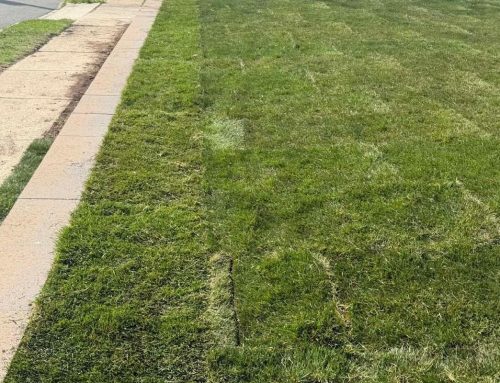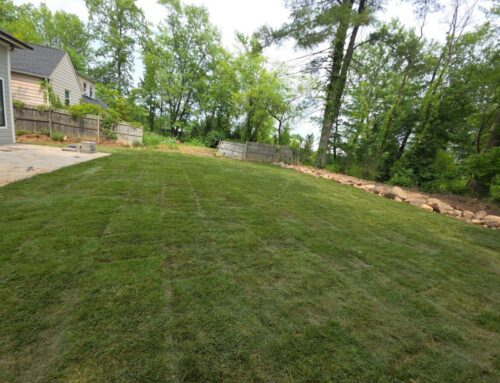
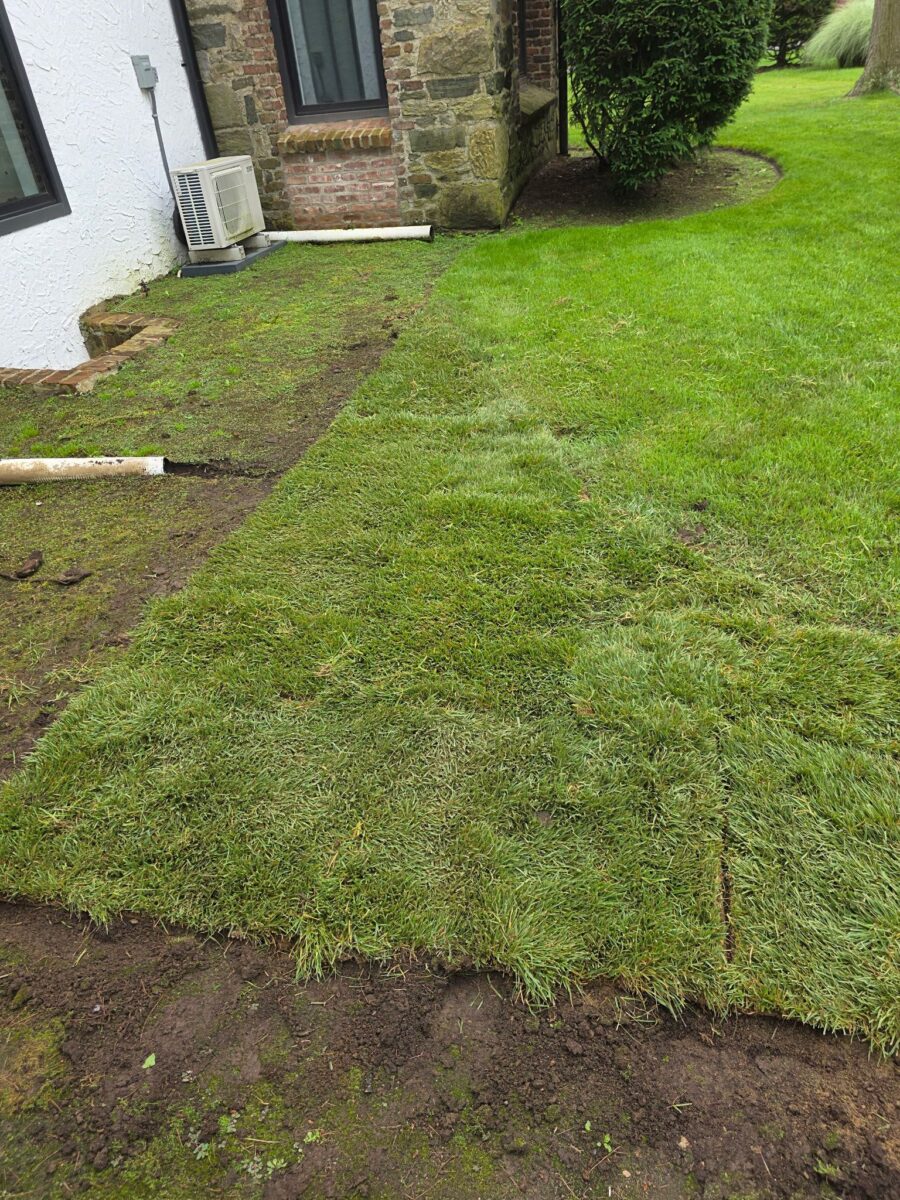
Side yards are one of the places where a generic sod article misses the real Long Island job. A front lawn with open access is one thing. A narrow strip between a house and fence, a shaded walkway in Nassau County, or a sandy side yard near the South Shore requires more planning before fresh sod ever reaches the property.
For homeowners, builders, contractors, and property managers, the goal is simple: get the sod delivered, staged, installed, and watered without damaging hardscapes, blocking access, or letting the turf dry out while the crew solves avoidable problems. This guide explains what to plan before a Long Island side-yard sod installation so the finished lawn has a better chance to root evenly.
Why side-yard sod projects are different on Long Island
Many Long Island properties have tight side access, established fences, AC units, pool equipment, narrow gates, walkways, planting beds, and drainage areas that make sod work more detailed than a wide-open lawn. In Nassau County and western Suffolk, older neighborhoods can have compact layouts and mature shade. Along South Shore and coastal properties, sandy soil and salt exposure can affect moisture retention. On North Shore properties, slope, shade, and tree roots may be bigger concerns.
That is why a Long Island-focused sod plan needs to look beyond square footage. Delivery timing, staging space, soil correction, shade, irrigation coverage, and first-week watering all matter. Long Island Sod Company supports customers who need sod delivery on Long Island and customers who want professional sod installation on Long Island when the site needs more hands-on coordination.
Start with access before ordering sod
Before choosing the sod quantity or installation date, walk the route from the delivery area to the side yard. Look for gate width, steps, slopes, low branches, parked vehicles, outdoor furniture, irrigation boxes, and any area where wheelbarrow or hand-carry access may be needed. A side yard that looks small can still take longer if every piece of sod has to be moved around tight corners or through a narrow passage.
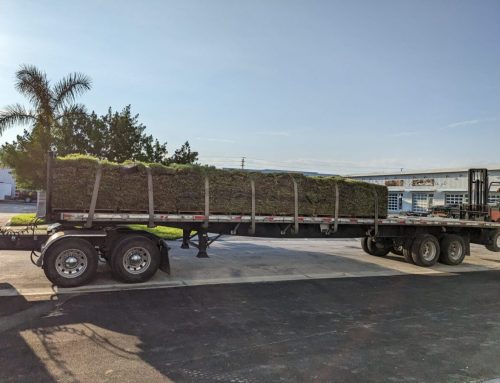
For delivery-only projects, plan where pallets or rolls can be placed without blocking the driveway, street, garage, or neighbor access. For full installation, staging should let the sod move quickly from delivery to soil. Fresh sod should not sit longer than necessary, especially in warm weather or on a sunny driveway.
Prepare Long Island soil for better rooting
Side yards often fail because the soil underneath is not ready. Common issues include compacted soil from foot traffic, sandy soil that dries quickly, leftover construction debris, uneven grade, and shade-thinned turf that was never corrected before replacement. Simply placing sod over poor soil can make the lawn look good for a short time, then decline once rooting stress begins.
Good preparation usually includes removing failed grass and weeds, loosening compacted areas, correcting low spots, creating a smooth grade away from structures where appropriate, and making sure irrigation reaches the full strip. If the area is sandy, organic soil improvement may help moisture retention. If it is shaded, the sod choice and watering schedule should reflect lower sun exposure. The Long Island sod installation guide is a helpful starting point for understanding the steps before installation day.
Choose sod based on sun, shade, traffic, and location
A side yard beside a house may receive less direct sun than the front lawn. It may also handle dogs, trash bins, foot traffic, pool access, or contractor movement. That means the best sod choice depends on how the area is used, not just what looks good on day one.
For many Long Island lawns, cool-season sod options are common, but the right choice depends on site conditions. Sunny coastal areas, shaded North Shore side yards, and high-traffic walkways can have different needs. Review the types of sod available on Long Island before deciding, especially if the side yard has a history of thinning, drought stress, or heavy use.
Time the project around weather and watering
Spring and fall are often easier seasons for sod because temperatures are more forgiving and rooting stress can be lower. Summer side-yard projects can still work, but the watering plan must be realistic. A narrow strip along a hot wall, fence, or driveway can dry faster than the rest of the lawn. South Shore properties with sandy soil may also need closer attention during the establishment period.
Check the best time to lay sod resource when planning a project window. The biggest mistake is scheduling delivery before the site is ready or before someone can water consistently. New sod needs immediate watering after installation and careful moisture management while roots knit into the soil.
Delivery-only vs. full installation for tight side yards
Some homeowners and contractors only need the sod delivered because they already have labor and site prep handled. Others are better served by full installation, especially when the property has tight access, grading issues, irrigation concerns, or a side yard that has failed more than once.
Delivery-only can make sense when the soil is ready, the route is clear, and the installer understands sod handling. Full installation is often worth considering when the lawn needs prep, the area is difficult to access, or the project is part of a broader residential or commercial improvement. Long Island Sod Company supports residential sod services and commercial sod installation for properties where coordination matters.
Side-yard sod checklist before delivery day
- Measure the side-yard area carefully and include irregular edges.
- Confirm the delivery route, gate width, and staging location.
- Remove old grass, weeds, debris, and construction leftovers.
- Loosen compacted soil and correct low or uneven areas.
- Test irrigation coverage before the sod arrives.
- Plan for immediate watering after installation.
- Keep pets, foot traffic, bins, and equipment off the new sod while it roots.
Why a Long Island sod company helps beat generic out-of-area advice
Out-of-state sod pages often treat every town or county the same. Long Island projects are more specific than that. A side yard in Nassau County may have different access constraints than a larger Suffolk property. A South Shore lawn may drain and dry differently than a shaded North Shore strip. A Hamptons or East End project may involve builders, estate managers, or strict site coordination.
Working with a Long Island-specific sod company helps keep the conversation focused on the property in front of you: access, soil, watering, delivery timing, and the customer’s actual use of the lawn. If you are planning side-yard sod, delivery-only service, or a full installation, contact Long Island Sod Company to discuss the project and the best next step.
FAQ: Long Island side-yard sod installation
Can sod grow well in a narrow side yard?
Yes, but the site needs enough light, prepared soil, and consistent watering. If the side yard is heavily shaded or compacted, those issues should be addressed before installing new sod.
Is sandy soil a problem for side-yard sod on Long Island?
Sandy soil can dry quickly, especially near coastal areas or hot hardscape edges. Soil preparation and a realistic watering plan are important so the sod does not dry out before roots establish.
Should I choose delivery-only or full installation?
Delivery-only can work when the site is prepared and labor is ready. Full installation is usually better when access is tight, soil needs correction, irrigation must be checked, or the lawn has failed before.
How soon should new side-yard sod be watered?
Water should begin immediately after installation. The sod and soil underneath need to stay consistently moist during establishment, with adjustments for weather, shade, wind, and soil type.