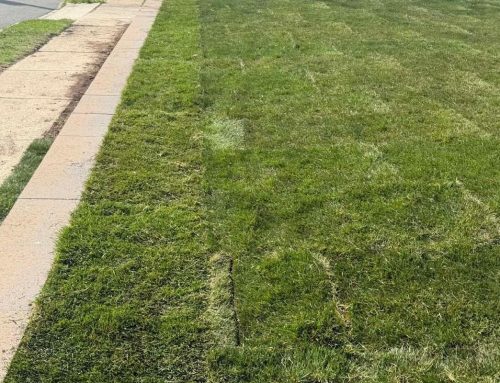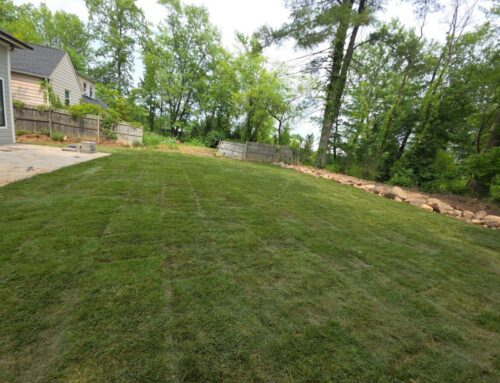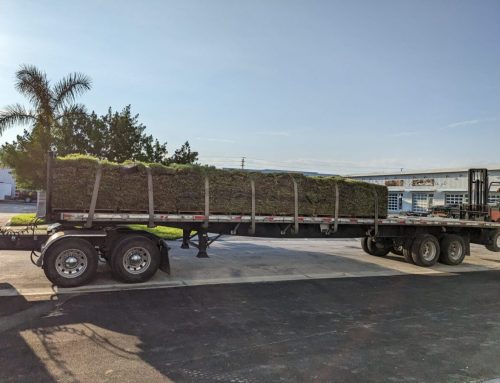
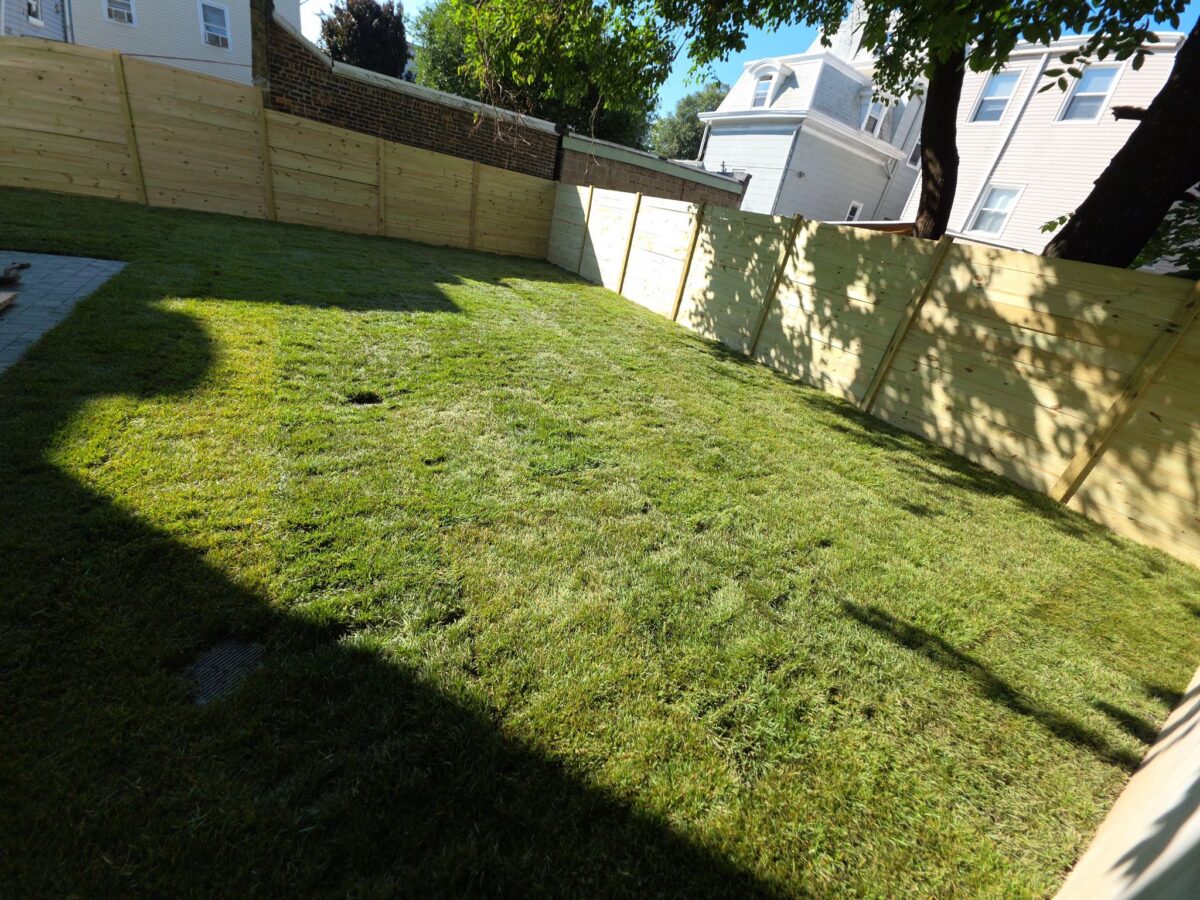
A backyard sod project on Long Island is not the same as ordering a generic load of grass from a broad New York or Connecticut delivery page. Nassau and Suffolk properties often have tight side-yard access, mature trees, sandy or compacted soil, coastal exposure, irrigation questions, and a short window to get fresh sod installed and watered correctly.
That is why homeowners, builders, and landscape contractors benefit from working with a Long Island-focused sod company. The right plan starts before the truck arrives: measure the lawn, confirm access, prepare the soil, choose the right sod for sun and shade, and know who is responsible for watering the first day.
Why backyard sod projects need a Long Island-specific plan
A backyard lawn may look simple from the street, but the work area is often behind fences, pools, patios, retaining walls, decks, sheds, playsets, and narrow gates. On older North Shore and South Shore properties, access can be more important than square footage. If sod cannot be staged close to the lawn, the project may need extra handling time and a clearer installation plan.
Long Island soil also changes quickly by neighborhood and property type. Some yards have sandy soil that drains too fast. Others have compacted fill around new construction, shaded areas under mature trees, or low spots that hold water after rain. These details affect whether the lawn needs grading, soil amendment, or irrigation adjustments before sod is installed.
A local team can help homeowners think through those details instead of treating the job like a one-size-fits-all sod delivery.
Check access before ordering sod
Before scheduling backyard sod delivery, walk the route from the street to the installation area. Look for gate width, steps, slopes, tight turns, overhead wires, soft soil, sprinkler heads, and anything that could block movement from the drop area to the backyard.
For many Long Island homes, the best staging area may be the driveway, curb, or side yard. On busy Nassau County blocks or tighter Suffolk neighborhoods, parking and timing matter. If a contractor is handling installation, make sure the delivery window, crew timing, and site preparation line up so fresh sod is not sitting too long before it is laid.
Homeowners who only need material can review Long Island sod delivery options here: sod delivery on Long Island. If the project needs prep, grading, installation, and watering guidance, review sod installation on Long Island before choosing delivery-only.
Prepare sandy, compacted, or shaded soil first
Fresh sod performs best when the soil is ready before delivery. That usually means removing old grass and weeds, clearing debris, loosening compacted areas, setting the final grade, and making sure the surface drains properly.
On South Shore and coastal properties, sandy soil can dry quickly during warm weather. On North Shore properties with larger trees or older landscapes, shade and root competition may be the bigger issue. New construction backyards can have compacted subsoil, ruts, construction debris, or uneven fill that needs correction before sod is installed.
A good backyard sod plan should answer four questions:
- Is the grade smooth enough for sod to root evenly?
- Will water reach every section of the lawn after installation?
- Are sunny and shaded areas being treated the same when they should not be?
- Is the sod being installed immediately after delivery?
For a broader overview of the installation sequence, see the Long Island sod installation guide.
Choose sod based on the actual backyard conditions
The best sod choice depends on how the lawn will be used and what the site conditions are. A sunny backyard used by kids and pets may need a different approach than a shaded North Shore lawn or a coastal South Shore property exposed to salt air and fast-draining soil.
Long Island homeowners should think about sun, shade, drainage, traffic, maintenance expectations, and timing. Some properties may be better suited to cool-season grass options, while sunny coastal lawns may lead a homeowner to ask whether Zoysia makes sense. If you are comparing options, start with types of sod available on Long Island and review Zoysia sod on Long Island when the lawn is sunny enough for it.
Delivery-only vs. full installation for a backyard project
Delivery-only can make sense when a homeowner or landscaper has already measured the lawn, prepped the soil, arranged labor, and planned watering. It is less forgiving when the backyard still needs old turf removal, grading, soil work, or tight-access handling.
Full installation is usually the better fit when the project involves a larger backyard, new construction cleanup, slopes, drainage concerns, shaded sections, or a deadline before an event, listing, or tenant move-in. Residential homeowners can compare service options through residential sod services on Long Island. Builders, HOAs, property managers, and commercial sites can also review commercial sod services on Long Island.
Watering is part of the installation plan, not an afterthought
The first day matters. Fresh sod needs consistent moisture so the roots can begin knitting into the soil. That can be challenging on Long Island backyards with uneven sprinkler coverage, hose-only watering, summer heat, sandy soil, or shaded sections that dry at different speeds.
Before sod arrives, confirm that irrigation works and reaches the full lawn area. If the property uses hoses and sprinklers, test the setup before installation day. Do not wait until the sod is already down to discover that a corner of the backyard cannot be watered properly.
Timing also matters. Spring and fall are often easier for sod establishment than the hottest stretch of summer, but successful projects can still depend on weather, irrigation, and site preparation. See the best time to lay sod on Long Island when planning your schedule.
Backyard sod checklist for Long Island homeowners
Use this checklist before ordering sod or scheduling installation:
- Measure the backyard and separate sunny, shaded, and high-traffic areas.
- Confirm gate widths, side-yard access, steps, slopes, and staging space.
- Remove old turf, weeds, debris, roots, rocks, and construction waste.
- Correct low spots, drainage problems, and compacted soil before delivery.
- Test irrigation or hose coverage before installation day.
- Choose sod based on sun, shade, traffic, soil, and coastal exposure.
- Schedule delivery and labor so sod is installed as quickly as possible.
- Plan watering responsibilities for the first day and first two weeks.
FAQ: Long Island backyard sod installation
Can sod be delivered to a backyard on Long Island?
Sod is usually delivered to a practical staging area such as a driveway, curb, or accessible side area. Backyard access depends on gates, slopes, obstacles, and how the sod will be moved from the drop point to the lawn.
Is sandy soil a problem for backyard sod?
Sandy soil can be workable, but it often needs careful preparation and watering because it drains quickly. Coastal and South Shore properties should pay close attention to moisture, grade, and soil conditions before installation.
Should I choose delivery-only or full installation?
Delivery-only is best when the site is already prepared and labor is ready. Full installation is usually better when the yard needs prep, grading, tight-access handling, or a coordinated watering and establishment plan.
How soon should sod be installed after delivery?
Fresh sod should be installed as quickly as possible after delivery. The longer it sits, especially in warm weather, the more stress it can experience before rooting.
Who should homeowners call for Long Island backyard sod projects?
For a backyard lawn that needs local planning around access, soil, shade, delivery, and installation, contact Long Island Sod Company through the contact page to discuss the property and project goals.
Talk to a Long Island sod specialist
If you are planning a backyard lawn replacement, new construction lawn, or delivery-only sod project in Nassau County, Suffolk County, the North Shore, the South Shore, or the East End, work with a company that understands Long Island conditions. Start with Long Island Sod Company and get a plan that fits your property instead of a generic out-of-state sod page.