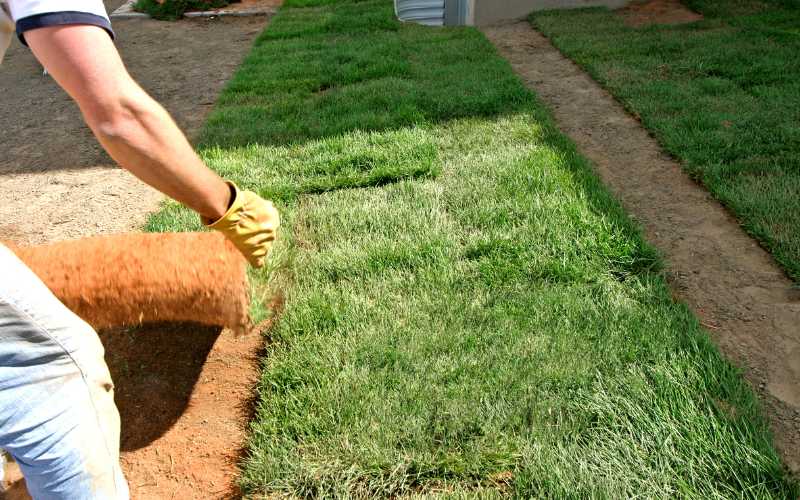
Ordering sod is one of the fastest ways to turn a tired Long Island lawn into a finished, usable yard. But before you schedule delivery or installation, the first question is simple: how much sod do you actually need? Under-order and the crew may have to stop before the job is complete. Over-order by too much and you can waste money on turf that dries out before it is installed.
This guide explains how to measure a Long Island yard before ordering sod, how to account for curves and irregular lawn areas, and when it is worth having a professional installer confirm the numbers. It is written for homeowners, builders, landscapers, and property managers planning a lawn replacement or new sod project in Nassau County, Suffolk County, or nearby Long Island communities.
Start With a Simple Sketch of the Lawn Area
Before you measure, sketch the lawn area on paper or in a notes app. It does not need to be perfect. The goal is to break the property into shapes you can measure: rectangles, squares, triangles, and circles or half-circles. Most Long Island yards have at least a few obstacles, such as patios, walkways, planting beds, pools, sheds, driveways, tree rings, or existing hardscape. Mark those areas too, because they should be subtracted from the final sod order.
For a basic rectangular section, multiply length by width. A 40-foot by 25-foot section is 1,000 square feet. If the yard is split into a front lawn, side yard, and backyard, calculate each section separately and then add them together. This approach reduces mistakes and makes it easier to explain the project when you call for sod delivery on Long Island or request an installation estimate.
How to Measure Irregular Long Island Lawns
Many Long Island homes do not have perfectly square yards. Older neighborhoods, corner lots, waterfront properties, and homes with mature landscaping often have curved beds or angled property lines. For irregular areas, divide the lawn into smaller sections. Measure the straight sections first, then estimate curved sections by creating a rectangle around the curve and subtracting the non-lawn portion.
If a side yard narrows from 12 feet wide to 8 feet wide over a 50-foot run, use the average width. In this example, the average width is 10 feet, so the area is roughly 500 square feet. If a lawn has a triangular corner, multiply the base by the height, then divide by two. A triangle that is 20 feet wide and 15 feet deep is about 150 square feet.
These estimates do not need to be engineered drawings, but they should be close enough to guide the order. The more irregular the property, the more helpful it becomes to have a professional confirm the measurements before sod is cut, delivered, and staged on site.
Add a Small Waste Factor
Sod is a living product, and every installation requires some trimming. Rolls may need to be cut around walkways, fences, tree beds, irrigation heads, drainage structures, and property edges. For a straightforward rectangular yard, a modest extra allowance can cover normal trimming. For a yard with curves, islands, beds, or several disconnected lawn sections, the waste factor should be higher.
The goal is not to overbuy aggressively. The goal is to avoid being short at the end of the project. A few extra pieces can help finish edges cleanly. Too much extra sod can become a handling problem, especially in warm weather when the turf needs to be installed and watered quickly.
Do Not Forget Delivery Access
Measuring square footage is only part of the planning process. You should also think through where the sod can be delivered and staged. Long Island properties can have narrow driveways, tight streets, limited parking, low branches, gates, fences, and hardscape that affects where pallets or rolls can be placed. Sod should be staged as close to the installation area as practical without blocking necessary access.
If you are ordering sod yourself, take photos of the driveway, street, gate openings, and staging area. If you are hiring installers, share those details before the job date. Good logistics reduce unnecessary handling and help the project move faster once the sod arrives.
Match the Measurement to the Right Sod Type
Long Island lawns can vary by sun exposure, soil condition, irrigation, salt exposure, and foot traffic. A shaded backyard may need a different grass choice than a sunny front lawn. Before ordering, compare the measured areas with the conditions in each part of the property. If one section is full sun and another is heavily shaded, ask whether one sod choice makes sense for the whole lawn or whether the project needs a more specific recommendation.
Long Island Sod Company provides guidance on types of sod available on Long Island, including options such as Zoysia sod. The best choice depends on the site, maintenance expectations, and how the lawn will be used after installation.
When Professional Measurement Is Worth It
Homeowners can measure many small yards accurately enough to start a conversation. Professional measurement becomes more important when the project is large, the yard has several separate sections, access is tight, or the existing lawn needs significant preparation. Soil preparation, grading, old turf removal, and irrigation timing can all affect the final scope.
If you are comparing DIY sod installation with a full-service project, review Long Island Sod Company’s DIY versus professional sod installation guide. For homeowners who want the project handled from prep through installation, the sod installation service page outlines the professional route.
Residential and Commercial Projects Need Different Planning
A residential lawn replacement may involve a front yard, backyard, or pool area. A commercial sod project may involve larger square footage, tighter deadlines, parking lots, public access, or multiple phases. If you manage a business property, HOA, builder lot, athletic-adjacent area, or rental property, measurements should be tied to site access, scheduling, and maintenance after install.
Long Island Sod Company supports both residential sod services and commercial sod installation. Measuring carefully at the start helps both types of projects avoid delays, short orders, and unnecessary material waste.
Quick Checklist Before You Order Sod
- Sketch the lawn and divide it into simple shapes.
- Measure each section separately in feet.
- Subtract patios, beds, sheds, pools, walkways, and other non-lawn areas.
- Add a reasonable trimming allowance for cuts and edges.
- Photograph delivery and staging access.
- Note sun, shade, drainage, and irrigation conditions.
- Ask a professional to verify measurements for larger or irregular projects.
FAQ: Measuring for Sod on Long Island
How do I calculate how much sod I need?
Measure the length and width of each lawn section in feet, multiply them to get square footage, subtract non-lawn areas, and add a small allowance for trimming and cuts.
Should I measure before calling a sod company?
Yes. Even a rough measurement helps start the conversation. For larger or irregular Long Island yards, a professional can help confirm the final quantity before ordering.
Can sod be delivered if my driveway is narrow?
Often, yes, but access should be discussed in advance. Photos of the driveway, street, gate, and staging area help determine the best delivery plan.
Is measuring different for commercial sod projects?
The basic square-footage math is similar, but commercial projects usually require more planning around access, scheduling, staging, traffic, and post-installation care.
Ready to Plan a Long Island Sod Project?
If you are replacing a lawn, finishing a new build, or planning a larger property upgrade, Long Island Sod Company can help you think through quantity, delivery, sod type, and installation timing. Start with your measurements, gather a few site photos, and contact the team to discuss the right next step for your property.