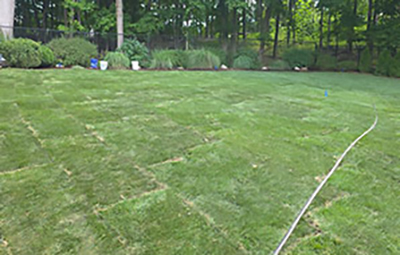
Common-area lawn projects are different from a typical backyard sod job. A Long Island HOA, condo association, apartment property, office park, or managed commercial site usually has more decision makers, more foot traffic, tighter access windows, and a higher expectation that the finished lawn looks clean quickly. That makes planning just as important as the sod itself.
If you manage a property in Nassau or Suffolk County, the best results start with a clear scope: which areas need new sod, when residents or tenants will be affected, how delivery trucks can reach the site, and who will handle watering after installation. Long Island Sod Company helps property managers and associations think through those details before the first pallet arrives. For projects that need professional help from preparation through placement, start with our Long Island sod installation services.
Why HOA and Property-Managed Sod Projects Need Extra Planning
Shared landscapes have more variables than private lawns. A front entrance, clubhouse, pool area, courtyard, pet area, median, or roadside strip may be used every day by residents, guests, vendors, and maintenance teams. That means the project needs to balance curb appeal with site control and realistic aftercare.
On Long Island, soil and exposure can also change from one part of a property to another. A sunny entrance near pavement may dry quickly. A shaded courtyard between buildings may stay damp longer. Coastal or sandy areas may need more attention to irrigation and establishment. Before ordering sod, property managers should separate the project into zones instead of assuming every lawn area has the same conditions.
Start With the Areas That Affect First Impressions
For many HOAs and commercial properties, the highest-value sod areas are the ones visitors see first: entrances, frontage along the road, monument signs, leasing-office lawns, clubhouse areas, and walkways. These spaces influence how maintained the property feels before anyone reaches the building.
That does not mean every square foot must be replaced at the same time. Some managed properties phase sod work so the most visible areas are completed first, then secondary courtyards, side lawns, or rear common areas are scheduled later. Phasing can be useful when irrigation, budget approvals, or resident access need to be managed carefully. Long Island Sod Company’s commercial sod services are built around these types of practical site considerations.
Choose the Right Season for Establishment
Long Island lawns are not Florida lawns. Most local sod decisions should account for Northeast seasons, cool nights, summer heat stress, and winter dormancy. Spring and fall are often preferred because temperatures are more moderate and new sod can establish without the same level of summer pressure. Fall can be especially attractive for managed properties because there is often less recreational lawn traffic than during peak summer.
That said, the best window depends on site readiness, irrigation access, and the type of area being sodded. A high-traffic pool lawn may have different constraints than a front entrance or shaded courtyard. Before setting a board approval date or resident notice, review our guide to the best time to lay sod so the schedule supports establishment instead of fighting the season.
Plan Delivery Access Before Ordering Sod
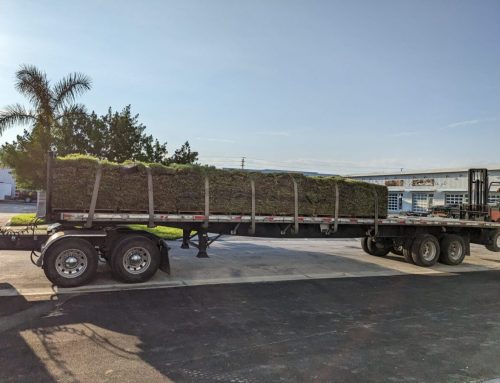
Delivery logistics are one of the biggest differences between a homeowner job and a managed property project. Pallets of sod need a practical drop-off location, and that location should be close enough to the work area to reduce handling time without blocking residents, tenants, emergency access, or contractor parking.
Long Island properties can have narrow internal roads, busy parking lots, gated entrances, limited loading zones, or strict vendor-hour rules. Property managers should identify delivery windows, access contacts, staging areas, and any restrictions before scheduling. For more detail on how pallets arrive and how to prepare the site, see our Long Island sod delivery page.
Match Grass Selection to Sun, Shade, and Use
Common-area lawns often include mixed conditions. A sunny roadside strip, a tree-lined courtyard, and a building-shadowed walkway may not perform the same way with the same sod choice. The right grass should be selected based on sun exposure, expected traffic, soil conditions, irrigation, and the association’s maintenance plan.
Some Long Island properties prioritize a dense, attractive cool-season lawn. Others need a sod option that can handle more wear or specific site conditions. Zoysia may be relevant for certain sunny locations, while shaded areas may call for a different approach. The important step is to choose based on the property’s real conditions, not a generic recommendation. Review the types of sod available on Long Island and our guide to choosing the right grass for a Long Island property.
Prepare Residents, Tenants, and Maintenance Teams
A sod project can be smooth when everyone understands the temporary disruption. Property managers should notify residents or tenants about installation dates, restricted lawn areas, watering periods, and expectations around pets, foot traffic, and lawn furniture. Clear communication reduces damage to fresh sod and helps the new lawn establish faster.
The maintenance team should also know what changes after installation. Fresh sod needs consistent watering during establishment, and mowing should wait until the grass has rooted enough to tolerate it. Irrigation zones may need to be tested before installation day, especially on older properties where coverage can be uneven. If watering depends on onsite staff, make sure responsibilities are assigned before the sod is laid.
Confirm Site Prep and Scope Before Installation Day
Good sod installation starts below the grass. Existing weeds, debris, compacted soil, drainage concerns, and uneven grades can all affect the final result. For HOA and commercial sites, it is helpful to walk the project area and mark boundaries clearly so the approved scope matches what happens in the field.
Before installation day, confirm which areas are included, where old turf or debris will be handled, whether irrigation heads or utility covers need to remain accessible, and which sidewalks, curbs, or beds define the edges. A clean scope helps avoid confusion and gives the board, manager, or owner a better finished product.
FAQ: HOA Sod Installation on Long Island
What is the best time for an HOA to install sod on Long Island?
Spring and fall are often strong options because temperatures are generally more favorable for establishment than peak summer. The right timing depends on site readiness, irrigation access, grass selection, and how much resident or tenant traffic the area receives.
Can sod installation be phased across a condo or commercial property?
Yes. Many managed properties phase sod work by priority area, such as entrances first, then courtyards, roadside strips, or secondary lawns. Phasing can help with access, watering, budget approvals, and resident communication.
Who should handle watering after sod is installed?
The property manager, maintenance team, irrigation contractor, or another assigned contact should be responsible for watering. The key is to decide before installation begins. Fresh sod needs reliable moisture during establishment, especially in sunny or sandy Long Island conditions.
Does every common area need the same sod?
Not always. Sun exposure, shade, traffic, soil, and irrigation can vary across one property. A professional review can help match the sod and installation plan to each zone instead of treating the entire site as one uniform lawn.
Talk With Long Island Sod Company About Your Property
If you manage an HOA, condo community, apartment property, office landscape, retail center, or other common-area lawn on Long Island, Long Island Sod Company can help you plan the project from delivery logistics through installation. Contact our team to discuss the areas you want to improve, the timing you are considering, and the access or watering details that may affect the job.
Start with professional sod installation on Long Island, coordinate sod delivery, or learn more about commercial sod solutions for managed properties.