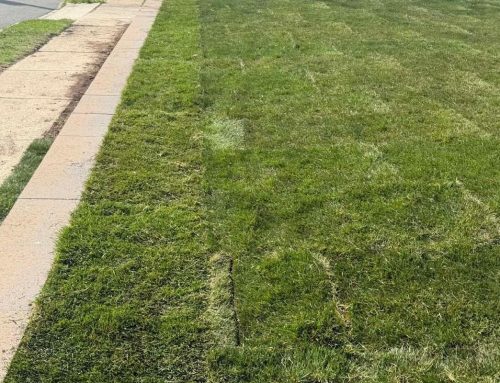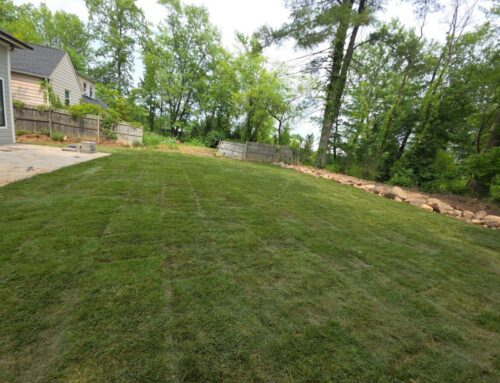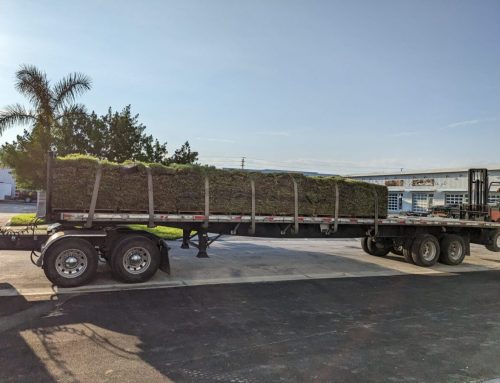

A new lawn can look perfect the day sod is installed, but Long Island properties are rarely “look only” spaces. Kids run across backyards, dogs take the same route along a fence, tenants cut corners through common areas, customers step off sidewalks, and beach-town or North Shore yards may deal with sandy soils, slopes, shade, or irrigation limits. If the lawn needs to stay attractive while handling real use, the project should be planned around traffic from the start.
Choosing high traffic sod on Long Island is not just about asking for the “toughest grass.” The best result usually comes from matching the grass type to the site, installing during a favorable cool-season window, preparing the soil correctly, and giving the sod enough time to root before heavy use resumes. Below is a practical guide for homeowners, builders, HOAs, and commercial property managers who want a lawn that can handle everyday wear.
What “high traffic” really means for a Long Island lawn
Lawn traffic can mean several different things. A residential backyard may need to tolerate children, pets, patio access, and weekend entertaining. A multi-family property may have repeated footpaths between parking areas, doors, mailboxes, and recreation spaces. A commercial lawn may see occasional delivery access, customers stepping across turf, or maintenance equipment moving across the same area. Each type of traffic creates different stress.
Repeated foot traffic compresses soil, reduces oxygen around the roots, and makes it harder for water to move evenly through the root zone. Pet traffic can add concentrated wear in small zones. Shade slows recovery because the grass has less energy to regrow. Sandy coastal soils can drain quickly, while compacted subsoil around new construction can hold water in some spots and dry out in others. Because Long Island properties vary so much between Nassau neighborhoods, inland Suffolk lots, and shore-area lawns, the planning step matters.
Grass selection: durability, recovery, and site fit
For many Long Island lawns, cool-season grasses are the starting point because they fit the Northeast climate and are most active in spring and fall. Kentucky bluegrass is valued for its ability to spread and recover from minor wear when conditions are right. Tall fescue is often discussed for durability, deeper rooting, and better tolerance of some heat and drought stress. Perennial ryegrass can establish quickly and may be part of some mixes. The right choice depends on sunlight, irrigation, soil, and how the lawn will be used.
Warm-season options such as Zoysia can also be attractive in specific situations, especially where summer toughness is a priority. However, Long Island homeowners should understand that warm-season turf behaves differently than cool-season grass, including winter dormancy and seasonal color changes. If you are considering Zoysia, review the site’s dedicated Zoysia sod guidance for Long Island and compare it with the broader types of sod available on Long Island.
The most important point: “high traffic” should not be separated from “right grass for the site.” A durable grass in too much shade may still thin out. A grass with good recovery can still struggle if the soil is compacted or if the lawn is opened to heavy use before the roots knit into the soil. For homeowners comparing options, the resource on how to choose the right grass for a Long Island home is a good next step.
Soil preparation is what makes traffic tolerance possible
Even the best sod can fail in a high-use area if it is laid over compacted, uneven, or poorly prepared soil. Long Island lawns often have their own challenges: sandy areas that dry quickly, shaded yards with surface roots, construction-disturbed soil, or older lawns where years of foot traffic have created hard ground. Professional preparation helps create a smoother grade, better soil contact, and a root zone that can support new sod after the initial establishment period.
For a busy residential yard, preparation may include removing old turf, addressing low spots, loosening compacted areas, improving soil contact, and planning how water will move across the lawn. For commercial and HOA properties, prep also involves logistics: where pallets can be staged, which areas need to remain accessible, and how to phase the job so residents, tenants, or customers are not walking across fresh sod immediately. If installation help is needed, see sod installation on Long Island.
Installation timing matters for traffic-heavy lawns
Long Island’s best sod timing often centers on spring and fall, when cooler temperatures can reduce stress and support rooting. A high-traffic lawn needs even more attention to timing because the sod should have a chance to establish before it faces daily wear. Summer installations can still be possible with the right watering and site management, but heat, fast drying, and scheduling pressure can make establishment more demanding.
If the lawn is for a backyard party, rental turnover, business opening, or HOA improvement schedule, plan backward from the date the grass must be usable. Sod creates an instant-looking lawn, but it is not instantly ready for heavy traffic. Rooting time, watering, mowing, and early restrictions should be part of the schedule. The site’s guide to the best time to lay sod can help frame the seasonal decision.
Watering and early use rules for kids, pets, and tenants
Fresh sod needs consistent moisture while roots begin growing into the soil below. For high-use lawns, watering is only half the challenge. The other half is limiting traffic long enough for the lawn to establish. Children, pets, residents, and maintenance crews should be kept off newly installed sod as much as possible during the earliest rooting period. If a necessary access route crosses the lawn, consider temporary barriers, signage, or an alternate path.
Pet owners should think ahead about temporary bathroom areas and favorite running paths. Property managers should communicate expectations before the project begins so residents know when common lawns are off limits. Builders and contractors should avoid treating fresh sod as a staging area for materials or cleanup. Once the lawn begins to root, traffic can usually be reintroduced gradually, but the exact pace depends on weather, watering, soil, and the site.
Delivery logistics for busy Long Island properties
High-traffic projects often happen on properties where access is already tight. Nassau and Suffolk homes may have narrow driveways, fences, pools, patios, irrigation components, or limited curb space. Commercial sites may need to work around parking lots, sidewalks, tenants, or customer hours. Good sod delivery planning on Long Island helps keep the job moving and reduces the chance that sod sits too long before installation.
Before delivery, identify where sod can be staged, how installers will move it to the work area, and which areas must remain open. For larger jobs, this planning can affect the installation sequence. A lawn that needs to handle traffic should not start with rushed staging, blocked access, or sod placed far from where it will be installed.
Residential, commercial, and HOA considerations
For residential sod projects on Long Island, high-traffic planning usually focuses on backyard use, pets, shade, pool areas, and curb appeal. The goal is a lawn that looks finished quickly but also survives everyday family life. Homeowners should be realistic about problem zones: if one gate, side yard, or dog path receives constant traffic, that area may need extra planning beyond simply installing new sod.
For commercial sod projects on Long Island, the priorities are often consistency, scheduling, safe access, and long-term maintenance. Properties with tenants, customers, residents, or public-facing entrances should plan traffic control before the sod arrives. The strongest lawn strategy combines the right grass, careful preparation, clear temporary restrictions, and a maintenance plan after installation.
When professional installation is worth it
DIY sod installation can work for some smaller, straightforward lawns. High-traffic areas, however, leave less room for mistakes. Uneven grading, poor seams, inadequate soil contact, and inconsistent watering can show up quickly when the area is used every day. If the lawn supports a family, rental property, common area, or business entrance, professional planning can help prevent problems that are expensive to correct later.
If you are deciding between doing the job yourself and hiring help, compare the project against the site’s DIY sod installation vs. professional sod installation guide. The more traffic, access constraints, grading issues, shade, or scheduling pressure involved, the more important it is to get the preparation and installation right the first time.
FAQ: high-traffic sod on Long Island
What type of sod is best for high-traffic Long Island lawns?
The best choice depends on sunlight, soil, irrigation, and use. Cool-season options are common for Long Island, and some blends are selected for durability, recovery, or establishment speed. Zoysia may be considered for certain warm-season performance goals, but it has different seasonal behavior. The right answer should be matched to the site rather than chosen by name alone.
How soon can kids or pets use new sod?
Fresh sod should be kept as free from traffic as possible while roots establish. The exact timing depends on weather, watering, soil contact, and rooting progress. For busy yards, plan temporary routes or pet areas before installation so the new lawn is not stressed too early.
Can sod fix worn paths in a yard?
Sod can restore worn areas, but the cause of the wear should be addressed. Constant footpaths, pet routes, shade, compacted soil, or drainage problems can return if the site is not corrected. Preparation and traffic management are especially important for repeat problem areas.
Is fall a good time to install sod for a high-use lawn?
Fall is often a strong window for Long Island sod because cooler temperatures can support establishment and reduce heat stress. Spring can also be favorable. The best schedule depends on the property, watering plan, and when the lawn needs to be ready for regular use.
Plan a Long Island sod project that can handle real use
If your lawn needs to stand up to kids, pets, tenants, customers, or common-area use, start with a site-specific plan. Long Island Sod Company can help homeowners, builders, contractors, HOAs, and commercial properties think through grass selection, delivery, preparation, installation timing, and early-care expectations. Contact Long Island Sod Company to discuss a sod delivery or installation project built around the way your property is actually used.