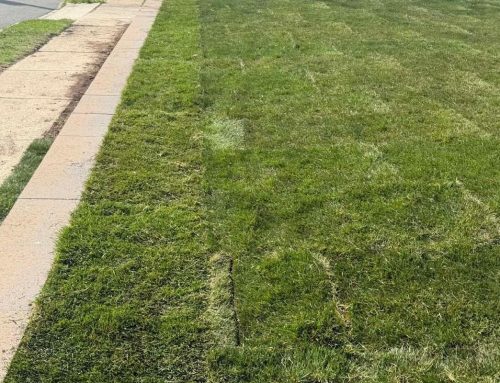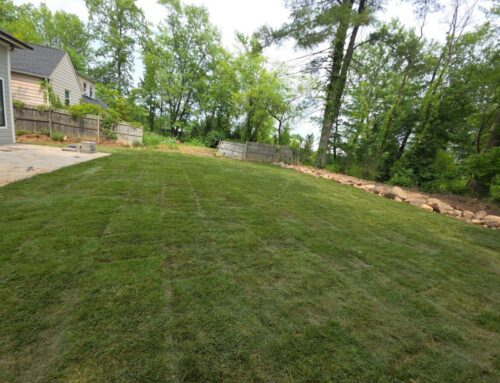

Coastal Long Island lawns can look beautiful quickly with fresh sod, but shore-area properties ask more from a lawn than an inland yard. Sandy soil drains fast. Wind can dry new sod edges. Salt air, reflected heat, shade from beach houses or mature trees, and tight delivery access can all affect how the grass establishes. That does not mean sod is a poor choice near the water. It means the project should be planned around Long Island conditions from the beginning.
If you are replacing a thin lawn near the South Shore, refreshing a North Shore property, preparing a new home, or improving turf around a commercial or HOA site, the goal is the same: choose the right sod type, prepare the soil correctly, install during a sensible cool-season window, and water consistently while the roots knit into the native soil. This guide explains what homeowners, builders, property managers, and contractors should consider before ordering coastal sod on Long Island.
Why coastal Long Island lawns need extra planning
Many Long Island properties have naturally sandy or fast-draining soil, especially closer to the coast. That can be helpful after heavy rain because water does not sit as long, but it also means a new lawn may dry faster than expected. Fresh sod has a shallow root system at first. Until it roots into the prepared soil below, the grass relies on regular moisture at the sod-to-soil interface. On windy coastal days, exposed edges and sunny areas can dry quickly.
Salt exposure is another consideration. Not every property near the water receives the same salt spray, and Long Island yards vary widely by distance from open water, elevation, wind direction, and landscape buffers. Still, shore-area lawns should be selected and managed with stress tolerance in mind. A lawn that is already struggling from poor soil contact, skipped watering, or installation during peak summer heat will be less able to handle salt, traffic, and drought stress.
Start with the right grass decision
Before ordering sod, match the lawn area to the conditions on the property. Full-sun front yards, shaded side yards, high-traffic common areas, and sandy waterfront lots do not all perform the same way. Long Island Sod Company’s types of sod available on Long Island resource is a good starting point for comparing options. You can also review the guide to choosing the right grass for a Long Island home when weighing sun, shade, maintenance, and seasonal expectations.
Cool-season grasses are common across the region because they align well with Northeast weather patterns. They typically establish best when temperatures are moderate and watering can be managed without extreme summer stress. Some homeowners also ask about Zoysia sod on Long Island because of its density and warm-season performance. Zoysia has different seasonal behavior, including winter dormancy, so it should be selected with a clear understanding of the property’s sun exposure, appearance expectations, and maintenance plan.
Soil preparation matters more near sandy and windy areas
Successful coastal sod installation is not just about laying green rolls over the existing surface. The ground should be cleared, graded, loosened where needed, and prepared so the sod can make firm contact with the soil. Old grass, weeds, construction debris, stones, and compacted areas can interfere with rooting. Low spots can collect water, while raised sandy areas may dry out first. Good preparation helps the new sod root evenly instead of producing patchy areas later.
For many coastal or sandy Long Island lawns, soil improvement may be part of the discussion. The goal is not to create a completely artificial growing layer, but to give the sod a better rooting environment. Organic matter, proper grading, and attention to drainage can help balance the rapid drainage that sandy soil often creates. If the site is new construction, extra care may be needed because construction activity can leave compacted subsoil or uneven fill beneath the visible surface.
Choose a smart installation window
Timing is one of the biggest advantages you can give a new sod project. On Long Island, spring and fall are often preferred because cooler temperatures reduce heat stress and support root establishment. Summer installations can still be possible when watering is consistent and the site is prepared properly, but they leave less room for error. If you are planning around a renovation, real estate listing, new build, or commercial opening, review the best time to lay sod and build in time for ordering, delivery, prep, installation, and early watering.
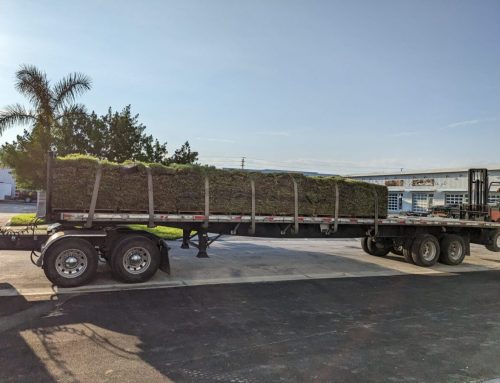
Coastal properties also face weather and access variables. Windy days can dry exposed rolls faster, and narrow roads, shared driveways, gates, or HOA rules can affect where pallets are staged. Coordinating sod delivery on Long Island with installation timing helps keep the sod fresh and reduces handling issues. The shorter the time between delivery and installation, the better the odds of a clean start.
Plan irrigation before the sod arrives
Watering is critical for any new sod, but it is especially important near sandy, sunny, or windy coastal areas. Before installation day, confirm that hoses, sprinklers, irrigation zones, timers, and outdoor spigots can reach the entire lawn. Do not wait until the sod is installed to discover that a side yard, curb strip, or common-area section has no practical water source.
The first phase is about keeping the sod and the upper soil consistently moist so roots can begin to grow down. After establishment begins, watering can usually transition toward deeper, less frequent irrigation based on weather and soil conditions. Avoid letting edges, corners, slopes, and reflected-heat areas dry out. At the same time, do not create standing water that prevents oxygen from reaching the roots. The correct balance depends on the site, which is why coastal projects benefit from a clear post-install watering plan.
Residential, commercial, and HOA coastal projects
For homeowners, coastal sod can improve curb appeal, make outdoor areas more usable, and solve patchy lawn problems faster than seeding. A residential sod project on Long Island may involve a full front lawn, a backyard renovation, a pool-adjacent area, or a smaller repair after construction. The key is matching the installation plan to the way the family uses the space.
For builders, contractors, HOAs, and commercial properties, planning often includes scheduling, access, staging, and minimizing disruption. A commercial sod installation may need coordination with other trades, parking areas, pedestrian traffic, or property management requirements. Larger coastal projects should also consider how quickly irrigation can cover the installed areas and how the site will be protected while the sod roots.
DIY or professional installation?
Some small, simple sod projects can be manageable for a prepared DIY homeowner. Coastal sites, larger lawns, uneven grades, tight access, sandy soil, and time-sensitive deliveries can make the job more complicated. If you are weighing the options, compare the practical differences between DIY sod installation and professional sod installation. The most important question is not just who can lay the rolls, but who can prepare the site, keep the project on schedule, and protect the sod during the first days of establishment.
Coastal sod checklist for Long Island properties
- Evaluate sun, shade, wind exposure, traffic, and soil drainage before selecting sod.
- Prepare sandy or compacted areas so the sod has firm soil contact.
- Choose a spring or fall installation window when possible, especially for larger projects.
- Coordinate delivery timing, pallet staging, and access before installation day.
- Confirm irrigation coverage for every section of the lawn before sod arrives.
- Protect new sod from heavy foot traffic while roots establish.
- Expect seasonal changes, including winter dormancy for certain grass types.
FAQ: Coastal sod on Long Island
Can sod work near the water on Long Island?
Yes, sod can work well for many coastal Long Island properties when the grass selection, soil preparation, timing, and watering plan match the site. Sandy soil, wind, and salt exposure make planning more important.
Is spring or fall better for coastal sod installation?
Spring and fall are often strong windows because temperatures are more moderate and new roots face less heat stress. Summer projects require more careful watering, especially on sandy or windy properties.
Do sandy Long Island lawns need soil prep before sod?
Usually, yes. Sod performs best when the soil is graded, cleared, loosened where appropriate, and able to hold enough moisture for rooting. Sandy areas may need extra attention so the lawn does not dry unevenly.
How soon should coastal sod be watered after installation?
New sod should be watered promptly after installation and kept consistently moist during the early rooting period. The exact schedule depends on weather, soil, sun, wind, and irrigation coverage.
Talk with Long Island Sod Company
If you are planning a coastal lawn replacement, new construction lawn, HOA common-area improvement, or commercial sod project, Long Island Sod Company can help you think through sod selection, delivery timing, site preparation, and installation logistics. Start with sod installation services on Long Island or request help coordinating sod delivery for your project.