Long Island homeowners often ask the same question when a lawn is thin, torn up from construction, or too patchy to recover quickly: should you seed it, or should you install sod?
The honest answer depends on timing, budget, site conditions, and how soon the lawn needs to look finished. Seeding can make sense for some low-pressure repairs. But for many Nassau County and Suffolk County properties—especially homes getting ready for summer use, real estate photos, pool/patio work, builder punch lists, HOA common areas, or shore-area yards—fresh sod is often the faster and more predictable choice.
This guide explains how to compare sod vs. seed on Long Island without the generic advice you see from out-of-state lawn pages.
The biggest difference: speed and certainty
Seed has to germinate, fill in, survive weeds, and mature before the area looks like a lawn. Even when the seed mix is right, a new seeded lawn can take weeks or months before it feels established. It also needs consistent watering and protection from foot traffic while the seedlings are fragile.
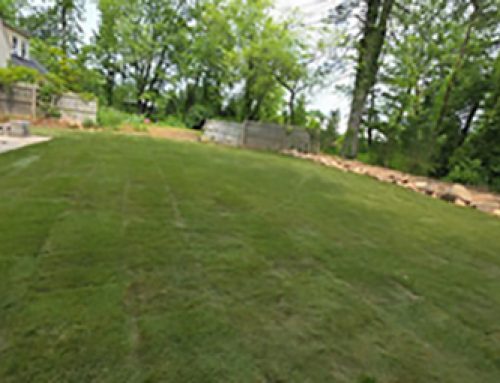
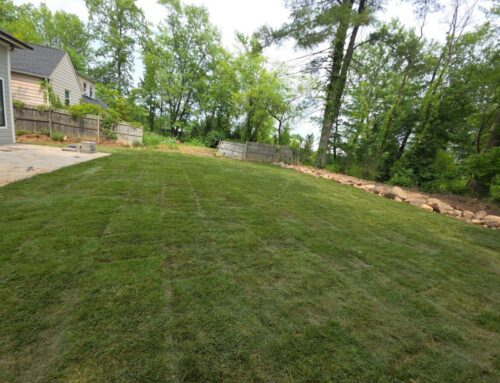
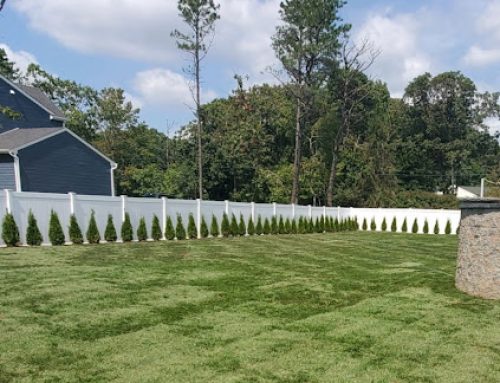
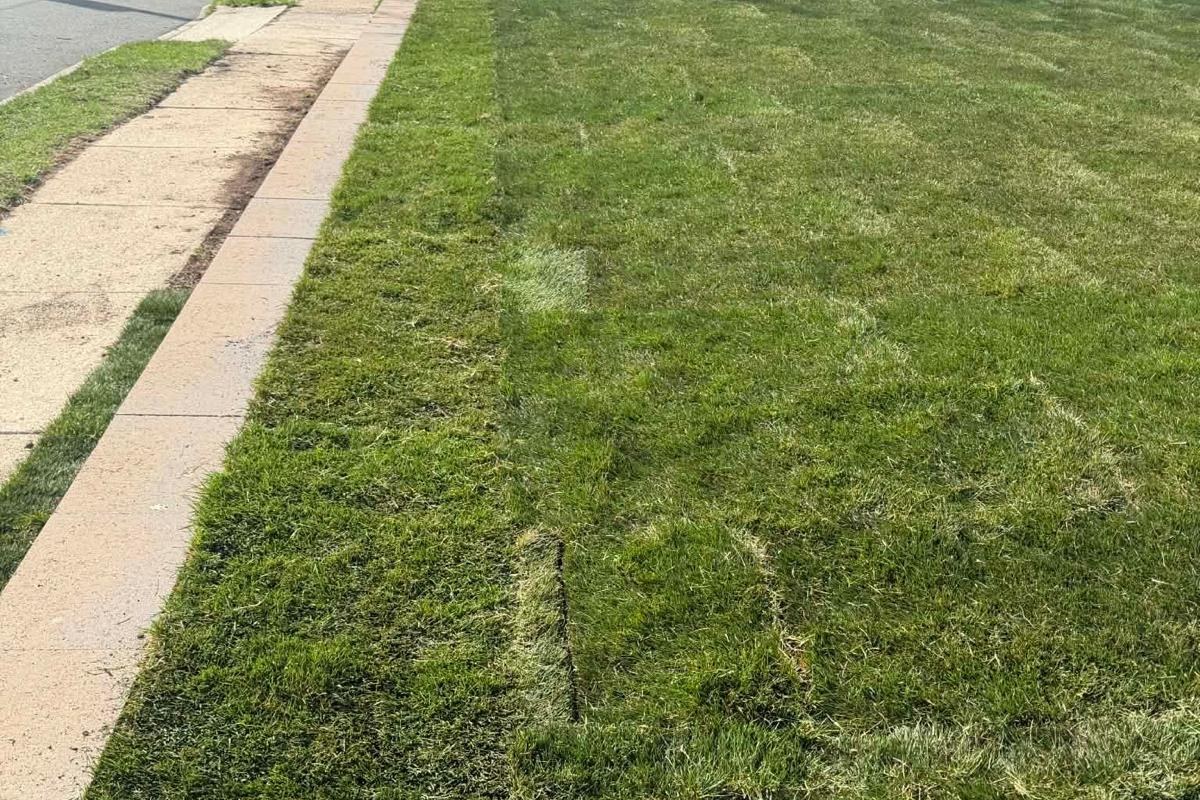
Sod gives the property an immediate grass surface. It still needs careful watering and time to root, but the lawn looks finished the day it is installed. That matters when a yard needs to recover after construction, a pool renovation, a patio project, a house listing, or a contractor deadline.
If the goal is simply to improve a small low-visibility area over time, seed may be enough. If the goal is a usable, presentable lawn quickly, sod has the advantage.
Long Island timing makes the choice more important
Long Island lawns deal with cool-season grass timing, humid summers, coastal conditions, and winter dormancy. Cornell turf guidance for New York lawns generally favors fall as the best seed establishment window because warm soil and cooler air help seedlings. Spring can work, but weeds and summer heat make establishment more difficult.
That timing gap is where sod often wins. A Long Island homeowner who wants a lawn ready for late spring, early summer, a graduation party, rental turnover, or a property sale may not have the luxury of waiting for seed to fill in. Sod can be installed during a broader practical window as long as the site is prepared correctly and watering is ready.
For timing help before placing an order, see Long Island Sod Company’s guide to the best time to lay sod.
Sandy and coastal soil can punish weak seed jobs
Many Long Island properties—especially on the South Shore, East End, and other coastal or sandy areas—need more than seed scattered over tired soil. Sandy soil can drain fast, dry unevenly, and expose weak preparation. Compacted areas near driveways, patios, pools, and new construction can also limit rooting if the soil is not corrected first.
That does not mean sod can ignore soil prep. It cannot. But with sod, the property starts with mature turf laid over a prepared surface. The important work becomes grading, loosening or amending problem areas, managing transitions, and watering the new sod consistently so roots knit into the soil below.
For larger or more complicated sites, professional sod installation on Long Island is usually the safer route than guessing with seed.
When seed can still make sense
Seed is not automatically wrong. It can be a good option when:
- The area is small and not urgent.
- The homeowner can keep people and pets off the area.
- The timing lines up with a good seeding window.
- The soil is already well prepared.
- The goal is gradual improvement rather than instant curb appeal.
Seed can also be useful for overseeding or blending certain thin lawn areas. But if the lawn is mostly bare, has construction damage, or needs to look finished quickly, seed may become a slower and less predictable path.
When sod is usually the better Long Island choice
Sod is often the stronger choice when the project involves:
- Backyard repair after pool, patio, drainage, or construction work.
- A new home, addition, or renovation where the lawn must look complete.
- A property going on the market.
- A front yard where curb appeal matters immediately.
- HOA, commercial, or common-area lawns with public visibility.
- Sandy or coastal soil where weak seed establishment is risky.
- Tight timelines for builders, landscapers, and homeowners.
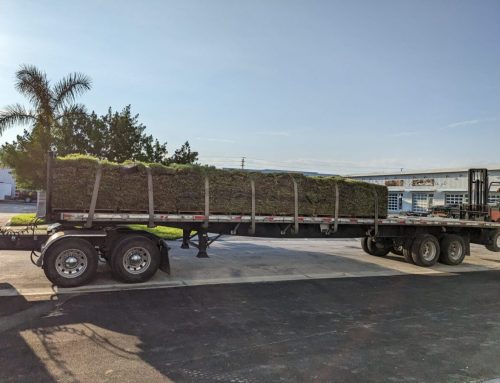
For homeowners, the residential sod service page explains how Long Island Sod Company supports local lawn replacement projects. For jobsite logistics, the sod delivery service page is the best starting point.
Delivery-only vs. full installation
Another important decision is whether you need sod delivered or fully installed.
Delivery-only can work when a landscaper, contractor, or capable homeowner already has the site prepared and enough help to install the sod quickly. This is common for builders, landscape crews, and smaller planned projects.
Full installation is usually better when grading, soil prep, timing, access, and watering all need to be coordinated. That can include narrow Long Island driveways, fenced backyards, pool areas, steep grades, shaded North Shore yards, sandy South Shore properties, or larger Suffolk County and Nassau County residential projects.
If you are not sure which route fits the job, start with the sod installation guide and then contact the team before ordering.
Sod still needs watering and protection
Sod is faster than seed, but it is not maintenance-free. New sod needs immediate watering, consistent moisture while roots establish, and protection from heavy traffic early on. Skipping that step can cause seams to dry, edges to lift, or sections to brown out.
The best projects are planned backward from watering. Before sod arrives, confirm that hoses, sprinklers, irrigation zones, and access points are ready. This matters even more on sandy or sunny Long Island sites where new turf can dry quickly.
How this helps beat generic out-of-state advice
Generic sod vs. seed pages often ignore Long Island realities: coastal soil, Nassau and Suffolk access constraints, summer watering pressure, North Shore shade, South Shore sand, builder timelines, HOA visibility, and the need for a local delivery or installation plan.
A Long Island-specific sod plan should answer practical questions: where will the pallet be staged, who is installing it, is the soil ready, how soon does the lawn need to look finished, and how will the new turf be watered after installation?
That is why sod vs. seed should not be treated as a one-size-fits-all decision.
FAQ: sod vs. seed on Long Island
Is sod better than seed for Long Island lawns?
Sod is usually better when the lawn needs to look finished quickly, the area is mostly bare, or the project follows construction, pool work, patio work, or a major lawn replacement. Seed may work for small, low-pressure repairs when timing and watering are favorable.
When is the best time to seed a lawn on Long Island?
For cool-season lawns in New York, fall is often the strongest seeding window because seedlings avoid the worst summer heat and weed pressure. Spring seeding can work, but it requires careful watering and weed management.
Can sod be installed in summer on Long Island?
Sod can be installed in warm weather when the site is prepared and watering is ready, but summer installations require close moisture management. Sandy, sunny, or coastal areas can dry quickly.
Is sod worth it for a house sale or renovation project?
Often, yes. Sod can restore curb appeal quickly after construction, pool work, patio installation, or landscape renovation. It is especially useful when photos, showings, events, or deadlines are coming up.
Should I order sod delivery or full installation?
Choose delivery-only if the site is ready and you have labor to install immediately. Choose full installation when grading, soil prep, access, timing, and watering need to be coordinated by a sod crew.
CTA
Trying to decide between seed and sod for a Long Island property? Contact Long Island Sod Company for local guidance on sod delivery, site prep, and full sod installation for Nassau County, Suffolk County, residential lawns, builder projects, and commercial properties.