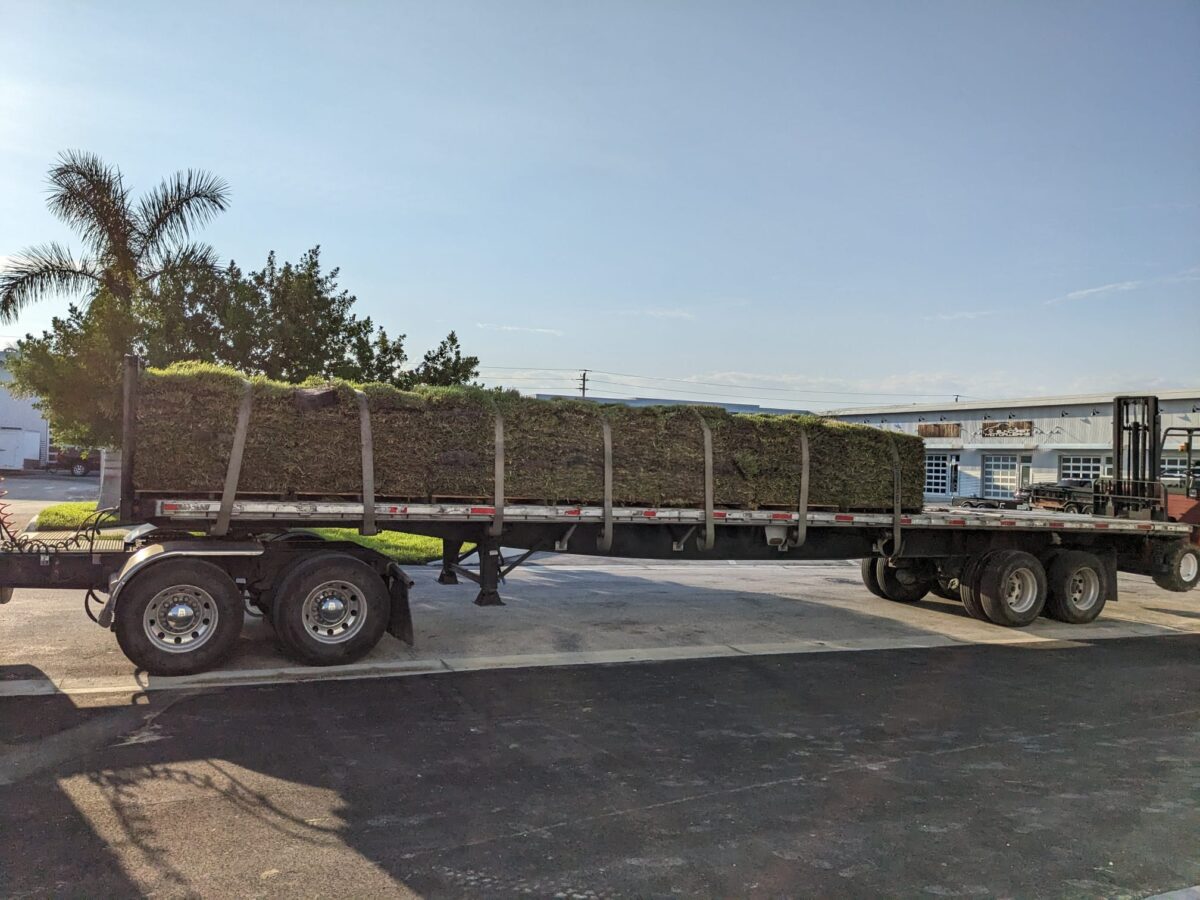
If you are planning sod delivery in Suffolk County, the biggest mistake is treating it like a simple material drop. Fresh sod is living grass, and Long Island job sites can vary a lot from one property to the next. A South Shore yard near sandy, salt-influenced conditions may need different prep than a shaded North Shore property with mature trees. A builder site in central Suffolk may need clear staging and irrigation coordination before the truck arrives. An East End estate or landscape project may have access rules, long driveways, or tight timing around other trades.
That is why a Long Island-specific sod company matters. A generic out-of-state page can say “we deliver sod in New York,” but it usually will not help you think through Suffolk County access, coastal soil, shade, watering, or whether delivery-only is enough for your project. Before ordering, use this checklist to make sure your lawn is ready for fresh sod the day it arrives.
Why Suffolk County Sod Delivery Needs Local Planning
Suffolk County is large, and lawn conditions are not identical across the area. Properties closer to the South Shore and coastal communities often deal with sandy soil, salt exposure, wind, and fast drainage. North Shore and established residential areas may have more shade, tree roots, slope, and older irrigation layouts. Central Suffolk yards can range from compacted construction soil to established lawns that need removal, grading, and a cleaner base before sod is delivered.
The delivery plan should match the property, not just the ZIP code. Important questions include:
- Where can the sod be safely dropped without blocking neighbors, driveways, or contractor access?
- Is the soil already graded, loosened, and cleared of debris?
- Will irrigation be ready the same day the sod is laid?
- Is this a homeowner project, builder site, commercial property, HOA area, or landscape contractor job?
- Does the property need delivery only, or should installation be coordinated too?
For projects where the sod still needs to be installed, start with the company’s Long Island sod installation service. If the site is prepared and you only need fresh sod brought in, review sod delivery on Long Island before ordering.
Delivery-Only vs. Full Installation in Suffolk County
Delivery-only can make sense when a landscaper, builder, or experienced homeowner already has labor ready. In that case, the priority is timing. Sod should not sit around while the crew is still removing weeds, leveling soil, fixing irrigation, or waiting for another trade to finish.
Full installation is usually the safer route when the yard needs prep, old lawn removal, grading, or a clear watering plan. Many Suffolk County projects involve more than simply unrolling grass. Sandy soil may need better organic matter and leveling. Compacted builder soil may need loosening. Shaded side yards may need a sod type and maintenance plan that accounts for lower light.
Homeowners can compare options on the residential sod services page. Builders, HOAs, property managers, and commercial sites should also review commercial sod installation on Long Island for larger access and scheduling considerations.
What to Check Before the Sod Truck Arrives
A successful Suffolk County sod delivery begins before the truck is on the road. Use this pre-delivery checklist:
1. Confirm the drop zone
Choose a location that is close enough to the installation area but not in the way of vehicles, neighbors, or other contractors. On many Long Island properties, driveways are narrow, streets are busy, and backyard access may be limited by fences, gates, patios, or pools. If the sod needs to be carried around the house or through a side yard, plan labor accordingly.
2. Finish soil preparation first
Sod delivery should happen after the old lawn, weeds, rocks, roots, and construction debris are removed. Soil should be graded so water drains away from the house and does not collect in low spots. Suffolk County yards with sandy soil may drain quickly, while compacted areas may shed water instead of absorbing it. Both conditions should be addressed before installation day.
For a deeper installation checklist, see the sod installation guide.
3. Make sure irrigation is ready
Fresh sod needs immediate watering. In sandy or coastal sections of Long Island, water can move through the soil quickly, so the first watering schedule matters. In shaded North Shore or tree-lined areas, watering still matters, but overwatering low-light areas can create problems. Test sprinklers, hoses, and coverage before delivery day so every section of new sod can be watered evenly.
4. Match the sod choice to the site
Not every Long Island lawn has the same sun, shade, traffic, or coastal exposure. A sunny, high-use backyard may need a different conversation than a shaded front lawn under mature trees. Review types of sod available on Long Island before choosing, especially if the project involves shade, pets, kids, or salt-influenced coastal conditions.
5. Plan the installation window
Timing matters because sod is perishable. Spring and fall are often easier seasons for establishment, while summer projects require tighter watering discipline. The best window also depends on weather, site readiness, irrigation, and how quickly the sod can be installed after delivery. Use the company’s guide to the best time to lay sod when planning your schedule.
Suffolk County Situations That Need Extra Attention
South Shore and coastal lawns
South Shore properties can face sandy soil, wind, salt exposure, and quick drainage. The lawn may look level, but the soil beneath it may dry faster than expected. For delivery and installation, that means prep and watering need to be organized before the sod arrives.
North Shore shade and mature landscapes
North Shore properties may have large trees, established beds, slopes, and shade patterns that change through the day. Sod can still be a strong option, but site evaluation matters. Shade, roots, and irrigation coverage should be handled before the delivery truck arrives.
Builders and new construction homes
New construction lawns often look ready from a distance but still need grading, rock removal, soil improvement, and irrigation coordination. Delivery should be scheduled after the site is truly ready, not while the yard is still being shaped.
HOAs and commercial properties
For HOA entrances, common areas, retail sites, offices, and other commercial properties, access and staging are as important as the sod itself. Property managers should plan traffic flow, pedestrian access, irrigation timing, and installation sequencing before delivery.
Why Local Long Island Help Beats Generic Out-of-State Pages
Out-of-state sod companies can publish broad pages for Long Island, Nassau County, Suffolk County, and surrounding markets, but those pages often miss the details that decide whether a project succeeds. Long Island Sod Company’s advantage is practical local focus: coastal conditions, Nassau and Suffolk logistics, North Shore shade, South Shore sandy soil, builder and contractor coordination, and the difference between a simple delivery and a full installation.
For customers, that local focus means fewer surprises. The right question is not only “Can you deliver sod to Suffolk County?” It is “Is the site ready, is the sod choice right for this lawn, can it be watered immediately, and should installation be handled with delivery?”
FAQ: Suffolk County Sod Delivery
How far ahead should I plan sod delivery in Suffolk County?
Plan early enough to finish soil preparation, irrigation checks, and access planning before the sod arrives. Fresh sod should be installed promptly, so delivery should be scheduled around site readiness rather than guesswork.
Can I order sod delivery only if I have my own landscaper?
Yes, delivery-only can work well when your landscaper or crew is ready to install the sod immediately. If the yard still needs grading, soil prep, removal, or irrigation help, full installation may be the better option.
What makes Suffolk County sod projects different from generic New York sod delivery?
Suffolk County properties can involve sandy coastal soil, salt exposure, shaded North Shore yards, East End access rules, construction sites, and large residential or commercial lawns. Local planning helps match the delivery and installation approach to the actual property.
Does sandy soil affect new sod?
Yes. Sandy soil can drain quickly, which makes soil preparation and watering especially important. The goal is to create a smooth, prepared base and keep the new sod consistently moist while roots establish.
Who should I contact for Suffolk County sod delivery?
Start with Long Island Sod Company’s sod delivery page or use the contact page to discuss the property, timing, access, and whether delivery-only or full installation makes sense.
CTA
Planning sod delivery in Suffolk County? Talk with Long Island Sod Company before the truck arrives. Share the property type, town or area, access conditions, soil situation, irrigation readiness, and whether you need delivery-only or full installation. The more local detail you provide up front, the smoother the sod project will be.