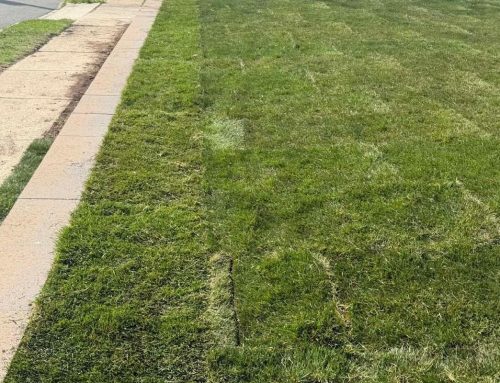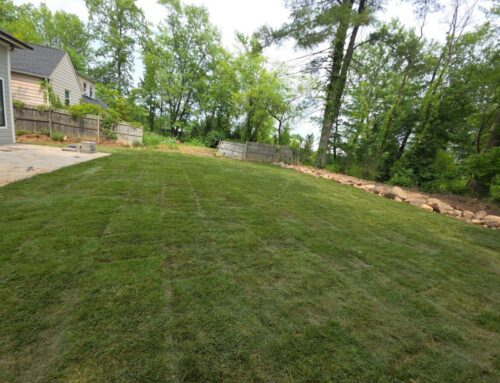
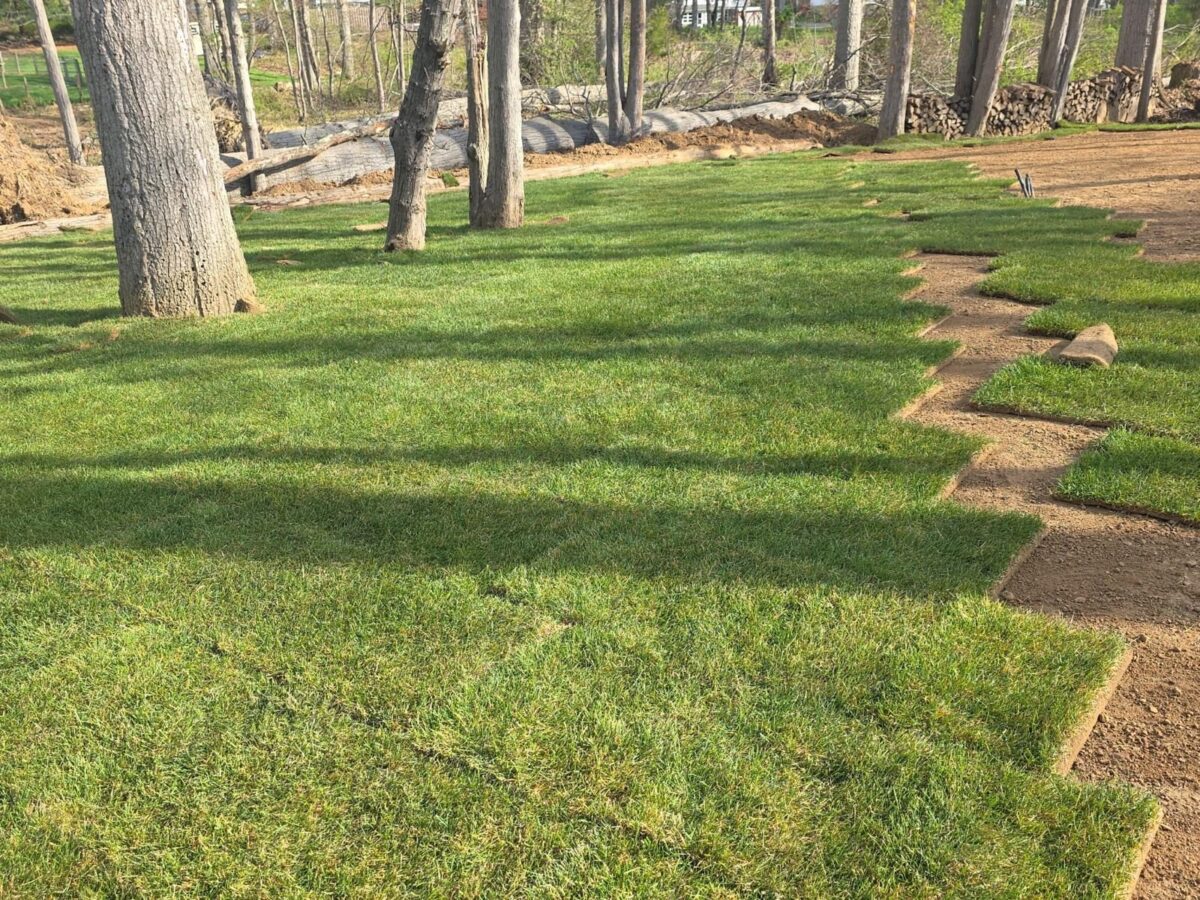
South Shore sod installation on Long Island is different from a basic inland lawn replacement. From Nassau County neighborhoods near the bays to Suffolk County properties closer to the ocean, the lawn may be dealing with sandy soil, faster drainage, salt exposure, wind, summer heat, and tight delivery access. A generic out-of-state sod page might say “prepare the soil and water daily,” but that is not enough for a coastal Long Island yard.
For homeowners, builders, landscape contractors, HOAs, and property managers, the best results come from planning the project around the actual site conditions. Long Island Sod Company focuses on Long Island sod delivery and installation, so the conversation can include the details that matter here: where pallets can be staged, how quickly the lawn dries out, whether irrigation is ready, and whether delivery-only or full installation makes sense.
Why South Shore sod projects need local planning
The South Shore can be tough on new sod because many properties have sandy or fast-draining soil. That can help prevent standing water in some yards, but it also means new sod can dry out quickly if watering is not consistent during the first couple of weeks. Coastal wind can make the surface dry even when the soil seemed damp earlier in the day.
Properties near bays, canals, beaches, and open shore exposure may also see salt stress, especially where wind, storm splash, or runoff affects the lawn edge. Sod still needs good soil contact, steady moisture, and smart timing. The difference is that a South Shore project often requires a tighter plan than a generic delivery order.
If you are comparing options, start with whether you need sod delivery on Long Island, full sod installation on Long Island, or help deciding between the two.
Sandy soil changes how new sod should be handled
Sandy soil is common across parts of Long Island, especially closer to coastal areas. The main issue is not that sod cannot work. It is that the preparation and watering window matter more.
Before sod is installed, the lawn area should be cleared, graded, and firm enough for good root contact. Low spots, construction debris, compacted patches, and uneven soil can all show up later as dry seams, soft areas, or poor rooting. Where the soil drains very quickly, the watering plan needs to be realistic before the sod arrives.
For many homeowners, that means checking irrigation coverage in advance. A sprinkler system that misses corners, narrow side yards, or strips along driveways can leave the new sod stressed before it has time to root. If the project is for a builder, estate manager, or HOA, irrigation readiness should be part of the schedule—not something discovered after pallets are already onsite.
Salt exposure and coastal wind require realistic expectations
South Shore lawns can be exposed to salt air, coastal wind, and brighter open-sky conditions. Those factors can affect how quickly the sod dries and how much stress the lawn experiences during establishment. Even a healthy sod installation can struggle if the lawn is not watered deeply enough after installation or if traffic starts too soon.
This is where Long Island-specific guidance matters. A broad programmatic page may not distinguish between an inland yard and a coastal lawn near the Great South Bay, Fire Island access points, or South Shore waterfront neighborhoods. Local planning helps the customer think through exposure, shade, soil, watering, and access before choosing a sod option.
If grass selection is part of the decision, review the types of sod available on Long Island and ask what fits the property’s sun, shade, use, and maintenance expectations.
Delivery access can make or break the day
South Shore properties are not all easy drop-off sites. Some homes have narrow driveways, limited street parking, gated access, pool construction, waterfront landscaping, or tight side-yard routes. Commercial sites and HOA properties may need staging that avoids blocking residents, loading zones, or active work areas.
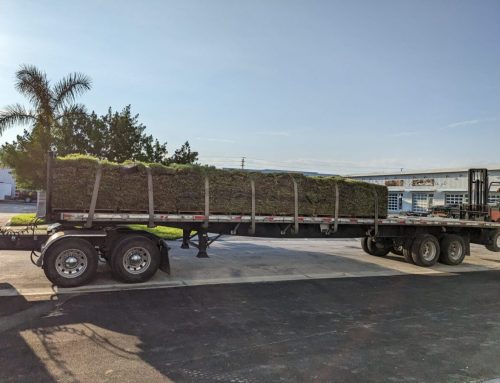
Before scheduling sod, confirm where the delivery can be placed, how close it can get to the work area, and whether the installation crew or homeowner will need to move material across the property. Sod is perishable. The smoother the staging, the faster the lawn can be installed and watered.
For homeowners doing their own prep, delivery-only sod can make sense when the site is ready, the square footage is manageable, and watering is prepared. For larger homes, new construction, estates, commercial properties, or HOA/common-area lawns, professional installation may reduce risk.
When full installation is the safer choice
Full installation is often worth considering when the lawn has drainage issues, uneven soil, old turf removal, new construction debris, poor irrigation coverage, or a tight schedule. It can also be useful when a builder or property manager needs the lawn finished before turnover, open house photos, tenant move-in, or seasonal use.
For residential sod projects on Long Island, full installation can help homeowners avoid mistakes with grading, seams, and first watering. For commercial sod installation, planning may also include foot traffic, staging, site access, common areas, and maintenance handoff.
The key is matching the service to the condition of the property. A flat, prepared yard with working irrigation is a different project than a sandy coastal lot after construction.
Timing matters on South Shore lawns
Spring and fall are often preferred for sod work because temperatures are more forgiving and watering pressure is lower than during peak summer heat. That said, every project depends on site readiness, weather, and the ability to keep the sod watered after installation.
South Shore lawns may dry faster during warm, windy weather. If sod is installed during a hotter stretch, watering discipline becomes even more important. Before choosing an installation date, review the best time to lay sod and make sure the property is ready to support the new lawn immediately after installation.
A practical South Shore sod checklist
Before ordering sod for a South Shore Long Island property, confirm:
- The square footage has been measured carefully.
- Old turf, weeds, rocks, and construction debris are addressed.
- Soil is graded and firm enough for good sod contact.
- Irrigation or sprinklers cover the entire lawn area.
- Delivery access and pallet staging are planned.
- The installation area can be watered immediately.
- Foot traffic, pets, tenants, or residents can stay off the lawn during establishment.
- The project schedule accounts for heat, wind, and coastal exposure.
For a deeper planning resource, use the Long Island sod installation guide before scheduling the work.
Why a Long Island sod company is a better fit than a generic out-of-state page
Out-of-state or multi-state sod pages can rank for broad terms, but they often give the same advice for every market. Long Island buyers need more useful guidance. A Nassau County yard near the South Shore, a Suffolk County waterfront property, a Hamptons estate, and an inland shaded yard may all need different planning conversations.
Long Island Sod Company is built around Long Island sod delivery and installation, not generic coverage copied across multiple states. That means the advice can stay focused on the real questions customers ask here: How will sandy soil affect watering? Where can the pallet be staged? Is the irrigation ready? Should this be delivery-only or full installation? What changes near the coast?
FAQ: South Shore sod installation on Long Island
Is sod a good option for sandy South Shore soil?
Yes, sod can work well on sandy soil when the site is properly prepared and watered. The main risk is that sandy soil can dry quickly, so irrigation coverage and early watering are especially important.
Does salt exposure affect new sod?
Coastal conditions can stress turf, especially where wind, runoff, or storm exposure affects the lawn. Good soil contact, correct watering, realistic grass selection, and careful establishment help reduce the risk.
Should I choose delivery-only or full installation?
Delivery-only can work if the lawn is fully prepared and you are ready to install and water immediately. Full installation is usually safer for larger properties, new construction, uneven soil, commercial sites, HOAs, or yards with access and grading challenges.
When is the best time to install sod on the South Shore?
Spring and fall are often easier because temperatures are milder. Summer installation can still be possible when the site is ready and watering is consistent, but heat and wind increase the need for careful aftercare.
Can Long Island Sod Company help with both delivery and installation?
Yes. Long Island Sod Company can help customers think through sod delivery, full installation, site preparation, and the right next step for the property. Start with the contact page to discuss the project.
CTA
Planning sod for a South Shore home, builder project, HOA, or commercial property? Contact Long Island Sod Company to talk through delivery access, soil prep, watering, and whether delivery-only or full installation is the better fit for your Long Island lawn.