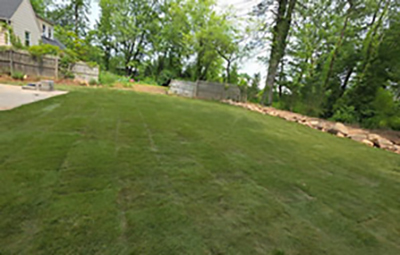
Shade is one of the most common reasons a Long Island lawn becomes thin, uneven, or muddy. A yard can look wide open in winter, then turn into a difficult growing environment once maples, oaks, privacy trees, fences, and neighboring homes cast shade through spring and summer. If you are searching for shade tolerant sod on Long Island, the most important thing to know is that sod can improve a patchy lawn quickly, but the right grass choice and site preparation matter just as much as the installation itself.
Long Island lawns face a mix of conditions that make shade projects different from sunny front-yard sod installs. Many properties have coastal influence, sandy or compacted soil, irrigation limitations, mature tree roots, and areas that stay damp after rain. Nassau and Suffolk County homeowners also want a lawn that looks clean near patios, play areas, side yards, pool fences, and front entries. The goal is not simply to roll out new grass; it is to match the sod and the installation plan to how the property actually receives light, water, and foot traffic.
Why Shady Long Island Lawns Thin Out
Grass needs sunlight to store energy and recover from mowing, heat, traffic, and seasonal stress. When a lawn receives only a few hours of filtered light, the grass often grows more slowly and develops shallower roots. In dense shade, even a newly installed lawn may struggle if the grass type is better suited for open sun.
Shade also changes the soil environment. Under mature trees, roots compete with grass for moisture and nutrients. In side yards and areas between homes, air movement may be limited, so the soil can stay wet longer after watering or rain. In coastal or sandy sections of Long Island, the opposite problem can appear: water drains quickly, yet tree roots still take moisture before the sod can establish. A good sod plan considers all of these conditions before installation.
What “Shade Tolerant” Really Means
Shade tolerant does not mean “no sunlight required.” It means the grass can perform better than other varieties when light is limited. For Long Island’s cool-season climate, homeowners often compare grass options based on sun exposure, soil type, irrigation, appearance, and intended use. The best choice for a mostly sunny front lawn may not be the same choice for a shaded backyard under trees.
Before ordering sod, it helps to track the area for a full day. Note where the lawn receives morning sun, afternoon sun, filtered light, or nearly constant shade. Morning sun is usually easier on turf than hot afternoon exposure, while deep shade under dense canopies is the most challenging. If an area receives very little direct or filtered light, trimming trees, improving air movement, or reconsidering the use of that space may be part of the conversation.
For a broader overview of grass selection, Long Island Sod Company’s guide to types of sod available on Long Island and the resource on how to choose the right grass for a Long Island home are useful starting points.
Site Preparation Is Critical in Shade
Shady sod projects are less forgiving than wide-open sunny areas. If old roots, debris, compacted soil, drainage issues, or uneven grading remain under the new turf, the lawn may look good for a short time and then begin to thin again. Preparation should focus on creating soil contact, improving the root zone, and removing obstacles that stop the sod from rooting evenly.
On many Long Island properties, the most important preparation steps include removing failed turf, loosening compacted soil, smoothing low spots, checking drainage patterns, and planning irrigation before the sod arrives. In shaded areas near trees, it is also important not to damage major tree roots. A professional evaluation can help determine what can be corrected with preparation and what is a permanent site limitation.
If you are deciding between handling the project yourself and hiring help, review the company’s Long Island sod installation service page and compare it with your own time, tools, site access, and ability to water consistently during establishment.
Timing Matters for Shaded Sod Installation
Long Island’s best sod timing is usually spring or fall, when cool-season grass can root without the most intense summer heat. Shade can reduce heat stress, but it can also slow drying and rooting. Fall is often a strong window because soil temperatures are still workable, air temperatures are cooler, and many lawns face less summer foot traffic. Spring can also work well when irrigation and mowing are managed properly.
Summer installations can succeed in the right circumstances, but they require careful watering and realistic expectations. In shaded zones, overwatering can be just as harmful as underwatering because damp soil and poor air movement can stress turf. The right schedule depends on weather, sun exposure, soil drainage, and how quickly the sod begins rooting. For seasonal planning, see the best time to lay sod.
Watering a Shady New Sod Lawn
New sod needs consistent moisture while it establishes, but shaded lawns should not be watered on autopilot. A sunny front yard and a shaded side yard may need different watering patterns, even on the same property. The sunny area can dry quickly, while the shaded area may remain wet beneath the surface.
Homeowners should check the sod and soil by feel, especially during the first few weeks. The goal is to keep the sod from drying out while encouraging roots to knit into the soil below. Once rooting begins, watering usually shifts toward deeper and less frequent irrigation, adjusted for rainfall and season. Avoid letting sprinklers hit shaded areas for long periods simply because another zone needs more water.
Where Shade-Tolerant Sod Makes the Most Sense
Shade-tolerant sod can be a strong fit for many residential sod projects on Long Island, including backyards with mature trees, front lawns shaded by neighboring houses, side yards, courtyard-style spaces, and areas near fences or pools. It can also help property managers and HOAs improve common areas where existing turf has become worn or uneven.
However, there are limits. If an area receives almost no sunlight, has constant foot traffic, or stays wet for long periods, sod alone may not solve the problem. In those cases, the best recommendation may include selective pruning, soil correction, redirecting traffic, adjusting irrigation, or using a non-lawn solution in the deepest shade. A realistic plan protects the investment and avoids repeating the same failure cycle.
Delivery and Staging for Shaded Yard Projects
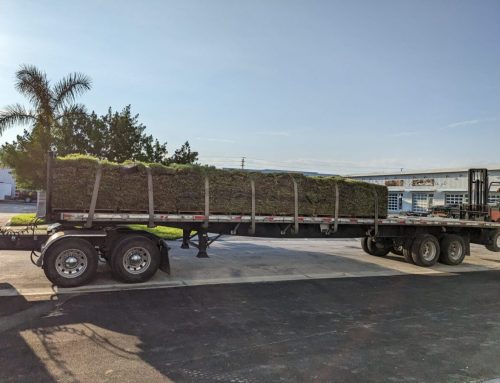
Many shaded sod projects happen in backyards or side yards where access is tighter. On Long Island, driveways, fences, slopes, narrow paths, and street parking can affect where sod is dropped and how quickly it can be moved into place. Because sod is a living product, it should be installed promptly after delivery, especially during warm weather.
Before delivery day, identify the best staging area, confirm access, clear obstacles, and make sure the installation area is ready. Long Island Sod Company’s sod delivery on Long Island page explains how delivery planning fits into a successful lawn project.
FAQ: Shade-Tolerant Sod on Long Island
Can sod grow in full shade?
Sod needs some sunlight to establish and stay healthy. Shade-tolerant grass can perform better in limited light, but full, dense shade is still difficult. If the area receives almost no direct or filtered light, tree pruning, site changes, or a different landscape solution may be needed.
Is spring or fall better for shady sod on Long Island?
Both spring and fall can work, but fall is often especially favorable for cool-season turf because temperatures are cooler and rooting conditions can be strong. The best timing depends on your yard, irrigation, soil, and project schedule.
Should I water shaded sod less than sunny sod?
Often, yes. Shaded areas may dry more slowly, so they should be checked separately from sunny zones. New sod still needs consistent moisture, but overwatering shaded soil can create problems. Water based on actual conditions, not just a fixed timer.
Can a patchy backyard be replaced with sod?
In many cases, yes, as long as the site receives enough light and the soil can support rooting. The old lawn should be properly removed and the area prepared before installation. Deep shade, heavy roots, poor drainage, or constant traffic may require extra planning.
Plan a Better Sod Project for a Shady Long Island Lawn
If your lawn is thin under trees, along a side yard, or in a shaded backyard, start with the conditions that caused the problem. The right sod selection, preparation, timing, watering plan, and delivery logistics can make a major difference.
Long Island Sod Company helps homeowners and property managers plan sod projects around real Nassau and Suffolk County lawn conditions. Explore residential sod on Long Island, compare grass options, and contact the team to discuss the best approach for your shaded lawn area.