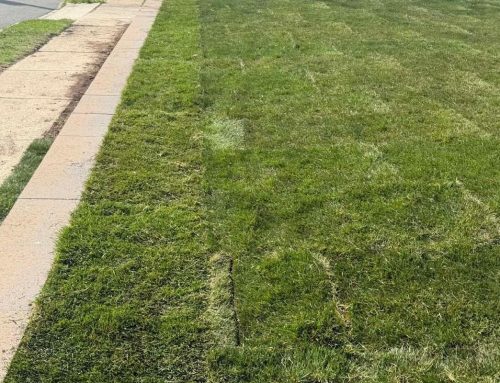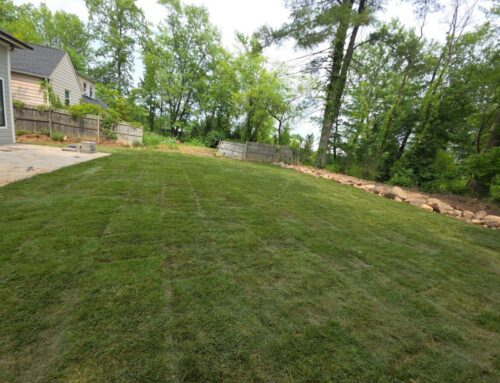
Long Island homeowners often want an instant green lawn, but the soil under that new sod matters just as much as the sod itself. Many Nassau and Suffolk County properties have sandy, fast-draining soil, especially near coastal areas or in neighborhoods where old construction fill, thin topsoil, or compacted subsoil sits close to the surface. Sandy soil is not a reason to avoid sod. In fact, with the right preparation, timing, grass selection, and watering plan, sod can establish quickly and create a durable lawn for everyday use.
The key is understanding how Long Island soil behaves. Sandy ground drains quickly, warms up early, and can be easier to grade than heavy clay, but it also dries out faster and may not hold nutrients as well. That means a successful sod project should be planned around moisture management, soil improvement, and realistic expectations during the first few weeks after installation.
Why Sandy Soil Changes a Sod Project
Sod needs close contact between the root zone and prepared soil. On sandy Long Island properties, water can move through the top layer quickly, so new roots may dry out if watering is too light or inconsistent. At the same time, sandy soil can be forgiving when it comes to drainage. Lawns that stay wet for days after rain are more likely to struggle with root problems, but sandy yards usually release excess water faster.
The challenge is balance. A yard that drains too fast may need more organic matter, better topsoil depth, and an irrigation schedule that keeps the new sod evenly moist without creating runoff. This is one reason many homeowners compare DIY sod installation vs. professional sod installation before they order. The sod rolls are only one part of the job; soil preparation often determines how well the lawn roots in.
Best Sod Types to Consider for Sandy Long Island Yards
There is no single “best” grass for every Long Island property. Sun exposure, shade, irrigation, foot traffic, salt exposure, and maintenance expectations all matter. Many local lawns use cool-season grasses because they fit Northeast weather patterns and perform well through spring and fall. Homeowners should review the types of sod available on Long Island before deciding which option fits the site.
- Kentucky bluegrass blends can be a strong choice for sunny residential lawns where the owner wants a dense, classic green look and can support the lawn with proper watering.
- Tall fescue or fescue blends may be useful where heat tolerance, moderate shade, or lower-input maintenance is a priority.
- Zoysia sod can work for certain sunny areas and offers a different growth habit, but homeowners should understand seasonal color changes and local suitability before choosing it. The Zoysia sod Long Island resource is a good place to start.
For sandy soil, the selection should be paired with a plan for root establishment. Even a high-quality sod variety can struggle if it is laid over dusty, loose, nutrient-poor soil with no topsoil correction or if watering is delayed after delivery.
Soil Preparation Matters More Than Most Homeowners Expect
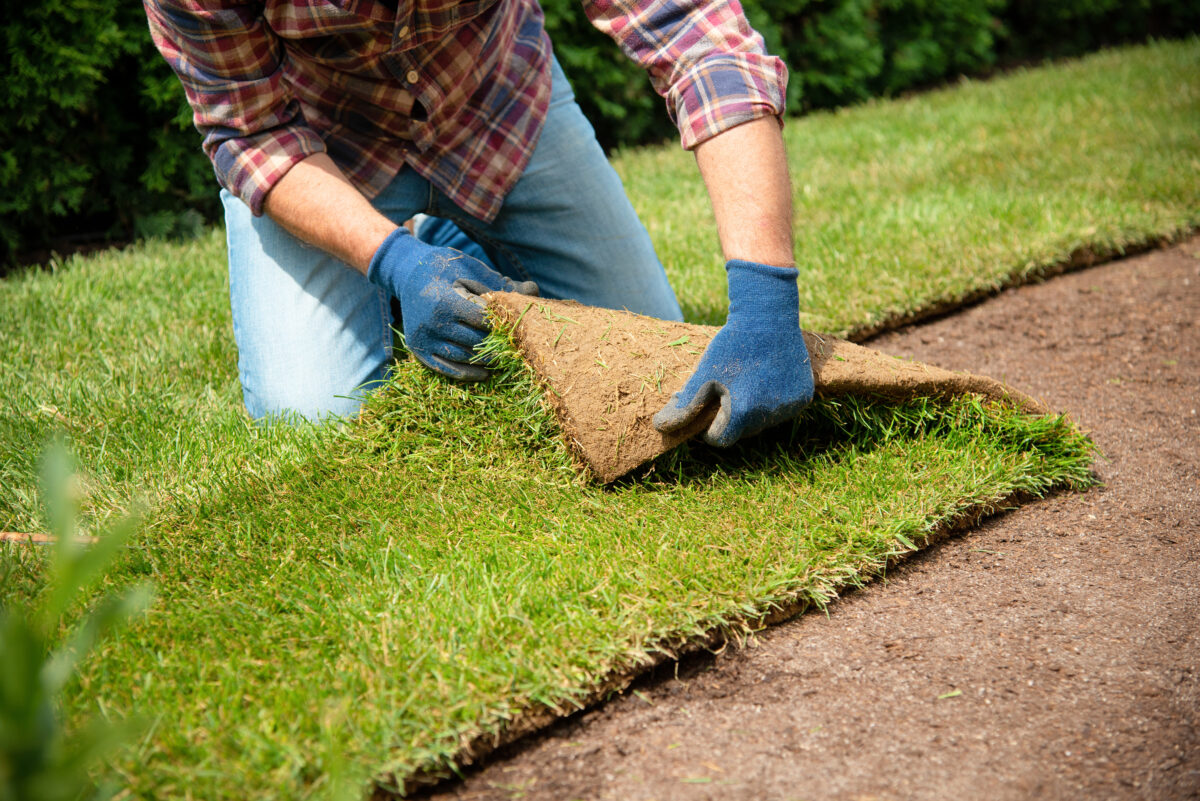
Before sod goes down, the yard should be cleared, graded, loosened where compacted, and prepared so the sod sits flat with good soil contact. On sandy properties, preparation may include adding suitable topsoil or soil amendments to improve moisture retention and create a better rooting layer. The goal is not to turn the yard into a heavy soil; it is to give the sod enough structure, nutrients, and water-holding capacity to root successfully.
Low spots should be corrected before installation because they become more obvious once the sod is established. Areas near driveways, patios, walkways, pool surrounds, and curb edges also need careful grading so the finished lawn meets hard surfaces cleanly. For homeowners planning a full yard renovation, professional sod installation on Long Island can help coordinate preparation, delivery timing, and installation sequence so rolls are not sitting too long before being laid.
Watering New Sod on Fast-Draining Soil
New sod needs prompt watering after installation. On sandy soil, that first watering is especially important because the ground may pull moisture away from the sod faster than expected. The lawn should be kept consistently moist while roots begin to knit into the soil. That does not mean flooding the yard; it means applying water deeply enough and often enough to keep the root zone from drying out.
Weather changes the plan. A cool, cloudy April or October install may require a different approach than a sunny June install with wind off the water. Homeowners should pay attention to corners, slopes, curb strips, and edges near pavement because these areas often dry first. If the property has irrigation, zones should be checked before the sod arrives so coverage gaps can be fixed early. If watering is done with hoses and sprinklers, the homeowner should plan enough time and equipment to cover the full yard evenly.
Spring and Fall Are Often Easier Establishment Windows
Long Island sod projects can be completed in more than one season, but spring and fall are often easier for cool-season lawns because temperatures are moderate and natural rainfall may help. Summer installations can still succeed, but they demand closer attention to watering, especially on sandy soil. Winter dormancy is also part of Northeast lawn care. A lawn may slow down or lose color during cold periods, then resume active growth when conditions improve.
If timing is flexible, review the best time to lay sod and choose a window that matches the property’s irrigation access, renovation schedule, and household needs. Builders, contractors, HOAs, and commercial property managers may need to coordinate sod around inspections, tenant turnover, curb appeal deadlines, or site access. Homeowners may be more focused on getting the yard ready before summer gatherings or after construction work wraps up.
Delivery Logistics for Nassau and Suffolk Properties
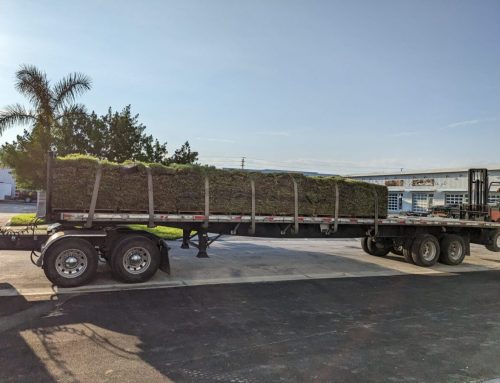
Sod is perishable. Once it is cut and delivered, it should be installed promptly. That makes logistics important for Long Island properties with narrow driveways, limited staging areas, busy streets, fences, pool areas, or tight side-yard access. Before ordering, confirm the approximate square footage, review where the sod can be staged, and make sure the area is ready so installation can begin without delay.
For larger residential lawns or commercial properties, sod delivery on Long Island should be planned around access and timing. A smooth delivery helps protect the sod, reduces handling delays, and keeps the project moving. If the yard has multiple sections, decide which areas should be installed first and how water will reach each section after the sod is laid.
Residential, Commercial, and HOA Considerations
For residential sod on Long Island, the biggest priorities are usually curb appeal, backyard usability, pet and family traffic, and a maintenance plan the homeowner can realistically follow. Sandy soil can support a beautiful lawn, but it rewards consistency. Skipping early watering or mowing too soon can set the lawn back during the establishment period.
For commercial sod on Long Island, the focus may include appearance, foot traffic, public-facing entrances, construction turnover, and scheduling around business operations. HOAs and property managers may also need consistent results across multiple visible areas. In these cases, preparation standards, delivery coordination, and post-install watering responsibilities should be clear before the project starts.
Signs Your Sandy Yard Needs Extra Prep Before Sod
- Water disappears almost immediately after sprinkling and the surface dries within minutes.
- The yard has thin, patchy grass despite regular watering.
- There are low spots, tire ruts, or uneven areas left from construction.
- Tree roots, shade, or coastal exposure create different conditions across the same lawn.
- The existing soil is dusty, compacted, or mixed with debris and old fill.
If several of these apply, it is worth addressing the soil before laying sod. Doing the prep once is usually better than trying to rescue a stressed new lawn later.
FAQ: Sod for Sandy Soil on Long Island
Can sod grow well in sandy Long Island soil?
Yes. Sod can grow well in sandy soil when the site is prepared correctly and watered consistently during establishment. The main concerns are moisture retention, soil contact, and early root development.
Do I need to add topsoil before laying sod?
Some sandy yards benefit from added topsoil or amendments, especially if the existing surface is thin, dusty, compacted, or uneven. The right approach depends on the property’s current soil depth, grade, and drainage.
Is spring or fall better for sod on sandy soil?
Spring and fall are often favorable for cool-season sod because temperatures are moderate. Summer installations can work, but sandy soil may require more careful watering during hot or windy weather.
What should I do before sod delivery?
Measure the yard, finish grading and soil preparation, confirm access for delivery, test irrigation or sprinklers, and plan to install and water the sod promptly after it arrives.
Plan a Long Island Sod Project Around Your Soil
A sandy Long Island yard can become a healthy sod lawn, but the best results come from matching the sod choice, soil preparation, delivery timing, and watering plan to the site. Long Island Sod Company helps homeowners, builders, contractors, HOAs, and commercial property managers think through those details before the sod arrives. If you are planning a lawn renovation in Nassau or Suffolk County, contact Long Island Sod Company to discuss sod options, delivery, and installation support for your property.