
Kentucky Bluegrass and Fescue Sod on Long Island
What we sell, how sun and shade differ, and the published pallet price.
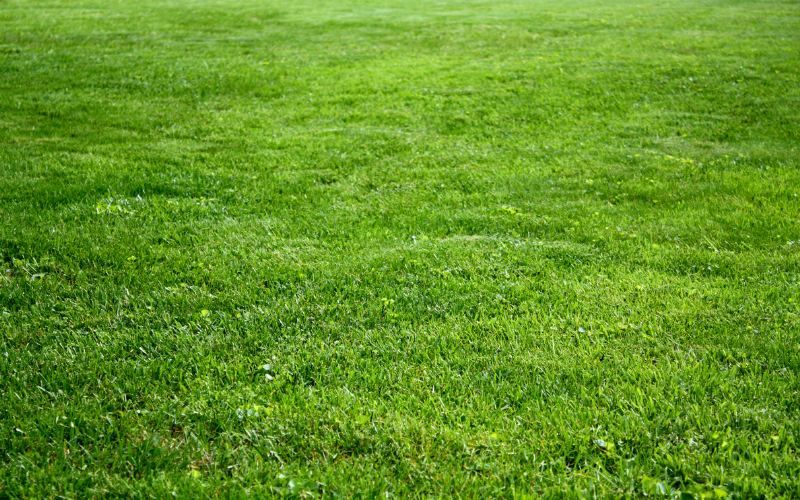
Kentucky bluegrass and tall fescue are the cool-season grasses most often used on Long Island lawns. Bluegrass is a full-sun, spreading turf. Tall fescue and a tall fescue/bluegrass mix handle light shade and drier soil with less water and fertilizer, as described by Cornell Cooperative Extension Nassau County. Long Island Sod Company sells Kentucky bluegrass, tall fescue, and a tall fescue/bluegrass mix by the pallet on the order page, at $499.99 per pallet, plus a $20 pallet charge and $75 delivery. We do not sell a fine-fescue shade sod.
What we sell
The order form offers three choices, all at the same published pallet price:
- Bluegrass (Kentucky bluegrass)
- Tall fescue
- Tall fescue/bluegrass mix (listed as Bluegrass/Fescue Mix)
We do not sell a fine-fescue shade sod. Zoysia is not on the order form. Call to request Zoysia pricing. Cultivar names are not published here.
The minimum order is one pallet, about 600 square feet, in 60 rolls. A pallet weighs roughly 2,000 to 3,000 lbs depending on soil moisture and roll thickness. Installation is quoted separately. Compare the wider list on types of sod.
Kentucky bluegrass
Cornell Cooperative Extension Nassau describes Kentucky bluegrass (Poa pratensis) as a high-quality northern turf for lawns and sports use when it is well cared for. It produces rhizomes, underground stems, that let it form a thick sod and fill thin spots. It does well on moist, well-drained, fertile soils with a pH near 6.3 to 6.8, and on sites that receive full sun and regular fertilization. It is not generally shade tolerant.
The Cornell Turfgrass Program rates Kentucky bluegrass as poor in shade, poor in drought, good in wear, slow to establish from seed, and high in fertilizer need. Most cool-season sod, Cornell notes, is made from improved Kentucky bluegrass because those rhizomes knit into a strong sod.
Rutgers Cooperative Extension calls it a widely adapted lawn grass with pleasing color and texture, suitable for moderately to well-drained soil, and somewhat slow to establish from seed. Newer varieties can have some shade tolerance, but bluegrass is still a sun grass first.
On our sod types page, bluegrass is the full-sun choice for curb appeal and active yards: deep green color, the ability to repair itself by spreading, a preference for 6 or more hours of sun, and regular watering in summer. It is a weaker match for dry, shady, or low-input yards. In those conditions, tall fescue is usually the cool-season option we sell.
Tall fescue and the mix
Turf-type tall fescue has a deep root system. Cornell Cooperative Extension Nassau says that helps it tolerate drought, take some grub feeding, and use soil nutrients, which means less water and fertilizer than Kentucky bluegrass needs. Full sun is preferred, but tall fescue can tolerate a wide range of soils and light shade. It is a bunch-type grass, so thin spots are filled by overseeding rather than by spreading rhizomes. Winter kill, the fact sheet notes, is very rarely a problem on Long Island.
The same office's lawn-care fact sheet says that, in general, the lower-maintenance grasses for Long Island are tall fescue and fine fescue. Kentucky bluegrass and perennial ryegrass need more fertilizer and water. A small amount of Kentucky bluegrass in a mix can be useful because it will spread to patch gaps. That is the mix we sell: tall fescue with bluegrass. We do not sell a fine-fescue shade sod.
Cornell Turfgrass rates tall fescue as good in shade, with some drought tolerance, good wear, and average fertilizer need. For a sunny, lower-maintenance lawn (at least 6 to 8 hours of direct sun), Cornell lists a tall fescue blend as one standard option. For deeper shade, Cornell points to fine fescue, which we do not sell as sod. Call to confirm whether tall fescue fits the light in your yard.
Rutgers describes tall fescue as a coarser bunch-type grass that persists on moderate to well-drained soils, with strong drought tolerance and the ability to take traffic. Fine fescues are the group known for shady, dry sites, and they do not take high traffic well. Those notes are extension guidance. Our product line is tall fescue and the tall fescue/bluegrass mix.
Sun, shade, and Long Island yards
| Kentucky bluegrass | Tall fescue / our mix | |
|---|---|---|
| Sun | Full sun; 6 or more hours | Full sun preferred; tolerates light shade |
| Shade | Generally poor | Tall fescue: light shade. We do not sell fine-fescue shade sod. |
| Water and fertilizer | Higher need | Lower need than bluegrass on Long Island, per CCE Nassau |
| Wear and recovery | Good wear; recovers by spreading | Good wear; bunch-type, so thin spots are overseeded |
| Typical use | Sunny, high-visibility lawns | Light shade, drier soil, lower-maintenance yards |
| How we sell it | Bluegrass on the order form, $499.99 | Tall fescue and the mix, same $499.99 |
North Shore lots with mature trees, already described on our Huntington and Oyster Bay pages, often lean toward tall fescue or the mix. Sunny front yards often lean toward bluegrass, or the mix if part of the yard is shadier. Sandy South Shore soil, already described on our Islip and Southampton pages, makes drought tolerance and soil prep more important. This is guidance, not a rule for every lot. Call to confirm the grass for your sun and soil.
For a warm-season option on a hot, sunny, high-traffic yard, see Zoysia sod and Zoysia vs. fescue. Zoysia is call to request pricing. This page does not replace that comparison.
A wider overview is at choosing the right grass and types of sod.
Care in brief
These notes follow the extension sources above and the company's FAQ and sod care guide. They are not a full maintenance plan.
- Water new sod right after it is laid, then keep it moist through the first two weeks, as the FAQ describes (2 to 3 times a day). After it is established, the FAQ's general figure is about 1 to 1.5 inches of water a week, in 2 to 3 waterings. Bluegrass will usually need more summer irrigation than tall fescue.
- Wait 2 to 3 weeks to mow, until the sod has rooted, and keep the first cuts high.
- CCE Nassau notes that bluegrass needs more fertilizer than tall fescue. Follow a Long Island fertilizer schedule and any applicable New York nutrient rules. See the care guide and how often to fertilize sod in New York.
- Because tall fescue is a bunch grass, thin areas are repaired by overseeding, not by waiting for the stand to creep in. Bluegrass can fill small gaps on its own.
For a longer bluegrass care write-up already on the site, see the Kentucky bluegrass care guide.
Price, delivery, and installation
Pallet pricing is on the order page: $499.99 per pallet for bluegrass, tall fescue, and the mix, a $20 charge per pallet, and $75 delivery per order everywhere we deliver, including the East End, the Hamptons, and the North Fork. Sales tax is charged at the rate for the area where the sod is delivered. A pallet is about 600 square feet, in 60 rolls, and weighs roughly 2,000 to 3,000 lbs depending on soil moisture and roll thickness. Installation is quoted separately. Late-fall and winter installs are fine when we check conditions first.
Primary service is in Nassau and Suffolk counties on Long Island, with delivery also available to other parts of New York, New Jersey, Connecticut and Massachusetts.
Long Island Sod Company is a family-run business, founded in 2020 in Southold, NY. Sod is harvested within 24 hours of delivery from trusted growers. It is locally grown. Install it within 24 hours of delivery.
Order bluegrass, tall fescue, or the mix online, or call or text (631) 468-7051. For a broader cost breakdown, see sod cost on Long Island.
Related pages
FAQ
Bluegrass and fescue questions
Do you sell Kentucky bluegrass and tall fescue sod?+
Yes. We sell Kentucky bluegrass, tall fescue, and a tall fescue/bluegrass mix at the same pallet price. We do not sell a fine-fescue shade sod. Order those three on the order page, or call (631) 468-7051.
Which grass handles shade on Long Island?+
Tall fescue tolerates light shade. Kentucky bluegrass is generally a full-sun grass. We do not sell a fine-fescue shade sod. Call to confirm which grass fits the light in your yard.
How much does a pallet of bluegrass or fescue cost?+
Kentucky bluegrass, tall fescue, and the mix are $499.99 per pallet, plus a $20 pallet charge and $75 delivery, with Nassau/Suffolk tax at checkout. Zoysia is call to request pricing. Installation is quoted separately.
Is a bluegrass/fescue mix a good middle ground?+
A tall fescue/bluegrass mix can suit a yard that is mostly sunny with some light shade. The right choice still depends on your light and care. Call and we will help you choose.
Can I order one pallet?+
Yes. The minimum order is one pallet, about 600 square feet, in 60 rolls. A pallet weighs roughly 2,000 to 3,000 lbs depending on soil moisture and roll thickness. Online checkout sells whole pallets.
Order a pallet or request a quote
Bluegrass, tall fescue, and the mix share one published pallet price. Call to confirm shade, Zoysia pricing, or a winter install.