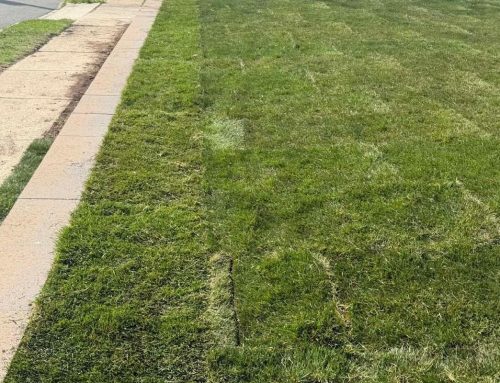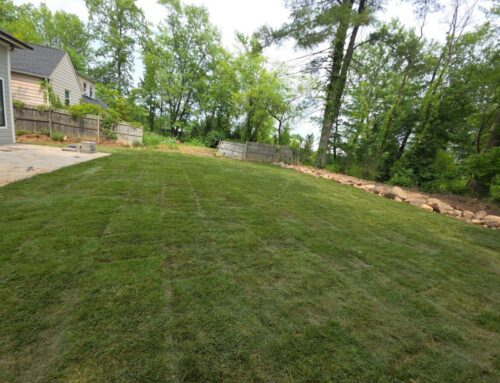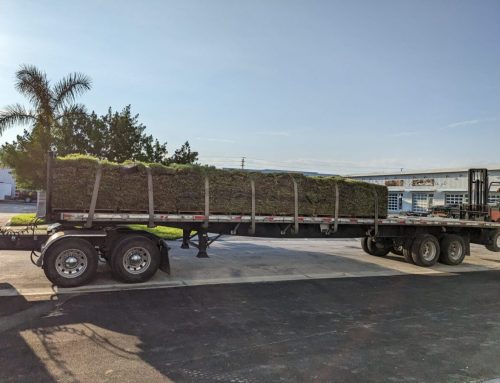

Fresh sod is time-sensitive. Once it arrives, the goal is simple: get it staged close to the work area, installed promptly, and watered correctly. On Long Island, however, the delivery details can be just as important as the grass itself. Narrow residential streets, shared driveways, beach-community access, HOA rules, renovation schedules, and busy commercial sites can all affect how smoothly a sod delivery goes.
If you are ordering sod for a Nassau County backyard, a Suffolk County new build, a curbside renovation, or a commercial property, planning the drop-off before delivery day can prevent avoidable delays. This guide explains what Long Island homeowners, builders, landscapers, and property managers should think through before scheduling sod, especially when access is tight or the project needs to move quickly.
Why Delivery Access Matters for Fresh Sod
Sod is a living product. It performs best when it is delivered fresh, installed as soon as possible, and watered immediately after installation. A good delivery plan helps keep the sod close to the installation area and reduces the amount of time it sits on the pallet.
Access planning also protects the property. If the drop-off location is chosen in advance, there is less risk of blocking a neighbor, damaging a soft lawn area, interfering with other trades, or forcing installers to carry rolls farther than expected. For many Long Island projects, the difference between a smooth day and a stressful one is simply deciding where the sod should be staged before the truck arrives.
For more details on the delivery side of the process, see Long Island Sod Company’s sod delivery on Long Island resource.
Common Long Island Delivery Challenges
Every property is different, but several access issues show up often across Long Island:
- Narrow driveways and parked cars: Many residential streets leave limited room for trucks, pallets, and staging.
- Fenced backyards: If the lawn area is behind a gate, the sod may need to be staged in the driveway or another accessible location.
- Soft ground or sandy soil: Coastal and sandy properties may not be ideal for heavy staging in certain areas, especially after rain.
- HOA or property rules: Communities may restrict delivery windows, curbside staging, or how long materials can remain visible.
- Active construction sites: Builders and contractors may need to coordinate sod delivery around grading, irrigation, masonry, fencing, or final inspections.
- Commercial access: Retail, office, municipal, or multifamily properties often require safe staging that does not block customers, tenants, or emergency access.
These are not reasons to avoid sod delivery. They are simply reasons to plan ahead. A few notes and photos shared before delivery can help align expectations and reduce day-of confusion.
Choose a Practical Staging Area Before Delivery Day
The staging area is where the sod will be placed when it arrives. Ideally, it should be firm, accessible, close to the installation area, and clear of vehicles or obstacles. On many residential projects, a driveway or paved area is the simplest option. For larger properties, a builder, landscaper, or property manager may designate a staging zone that keeps pallets near the work area without interfering with traffic flow.
When choosing a staging area, consider these questions:
- Can the delivery vehicle reach the area safely?
- Will the sod block a garage, neighbor, walkway, road, or business entrance?
- Is the surface firm enough for staging?
- How far will installers need to move the sod from the pallet to the lawn?
- Will irrigation or hoses be ready once the sod goes down?
For homeowners handling their own project, staging closer to the lawn can save a lot of labor. For customers using a professional crew, good staging helps the installation stay organized and efficient. Long Island Sod Company’s sod installation on Long Island page explains more about how preparation and installation work together.
Coordinate Sod Delivery With Site Preparation
Sod should not arrive before the site is ready. If old turf still needs to be removed, soil needs to be graded, or irrigation still needs attention, the delivery may be too early. Fresh sod can dry out or heat up if it sits too long, especially during warm weather. Even in cooler spring and fall conditions, it is best to install promptly.
Before scheduling delivery, confirm that the area has been cleared, graded, and prepared for installation. Soil should be workable, debris should be removed, and the finished grade should direct water properly away from structures. If the project involves a new home, pool, patio, or landscape renovation, make sure other trades are not still crossing the lawn area after sod installation.
This is especially important on Long Island properties with sandy or coastal soil. Sandy soils can drain quickly, which makes irrigation planning important after the sod is installed. Heavier or compacted areas may need attention before the sod arrives so roots can establish properly.
Think About Timing: Spring, Fall, and Warm-Weather Deliveries
Long Island sod projects often perform well in spring and fall because temperatures are milder and cool-season grasses can establish with less heat stress. Summer installations can still be successful, but they require extra attention to watering and timing. In any season, delivery should be coordinated so sod is installed as soon as practical after arrival.
Morning deliveries can be useful when the installation crew is ready and irrigation is available. If a property has limited access during school pickup hours, business traffic, HOA quiet hours, or construction deliveries, those constraints should be considered early. For a deeper look at seasonal timing, visit the best time to lay sod guide.
Residential Projects: Make the Drop-Off Easy on the Household
For a residential sod project on Long Island, the best delivery plan usually starts with simple household logistics. Move cars out of the driveway, unlock gates if needed, clear hoses or tools from the staging area, and let anyone at home know when the delivery is expected. If pets or children use the yard, plan to keep them away from the work area during installation and early watering.
Homeowners should also think about water access. New sod needs thorough watering after installation, and the first stretch after delivery is critical. Make sure exterior spigots work, hoses reach the installed area, and irrigation zones are ready if an irrigation system is being used. Delivery access gets the sod to the property; watering helps it settle in and begin rooting.
Commercial, Builder, and HOA Projects Need Extra Coordination
On commercial sod projects on Long Island, delivery access often involves more people. A property manager may need to coordinate with maintenance teams. A builder may need to sequence sod after grading and before turnover. An HOA may need advance notice for staging, parking, or work hours.
For these projects, it helps to identify one point of contact before delivery day. That person should know where the sod is going, who is installing it, where the delivery can stage, and what areas must remain open. Photos, gate instructions, loading zones, and site maps can all help when the property is larger or access is not obvious from the street.
Selecting Sod With the Site in Mind
Delivery planning solves the logistics, but the sod itself should fit the site. Sun exposure, shade, soil conditions, expected foot traffic, and maintenance expectations can all influence what grass makes sense. Long Island properties may include sunny front lawns, shaded backyards, sandy coastal lots, and high-use commercial areas, sometimes on the same project.
Before ordering, review the available options and match the grass to the conditions. The types of sod available on Long Island guide is a useful starting point. If you are comparing grass options for a home, the guide on how to choose the right grass for a Long Island home can also help frame the decision.
Pre-Delivery Checklist for Long Island Sod Orders
- Confirm the delivery date and preferred delivery window.
- Choose a firm, accessible staging area.
- Move vehicles, dumpsters, materials, or equipment out of the way.
- Unlock gates and confirm access instructions.
- Finish soil preparation before the sod arrives.
- Coordinate with installers, builders, HOAs, or property managers.
- Confirm hoses, sprinklers, or irrigation are ready.
- Plan to install and water the sod promptly.
A smooth delivery does not require a perfect property. It requires a clear plan. When access, staging, preparation, and watering are handled in advance, fresh sod has a much better path from truck to finished lawn.
FAQ: Sod Delivery Access on Long Island
Where should sod be delivered on my property?
In many cases, sod is staged on a driveway or another firm, accessible surface near the installation area. The best spot is close enough to reduce carrying distance but positioned so it does not block vehicles, neighbors, walkways, or business access.
Can sod be delivered if my backyard has a narrow gate?
Yes, but the sod may need to be staged in a driveway or another accessible area and then moved by hand or equipment depending on the project. Gate width, fences, steps, slopes, and distance to the lawn should be considered before delivery day.
Should the yard be prepared before sod delivery?
Yes. The lawn area should be cleared, graded, and ready for installation before the sod arrives. Sod is a living product, so it should not sit unnecessarily while site prep is still being completed.
Is spring or fall better for sod delivery on Long Island?
Spring and fall are often favorable because cooler temperatures can reduce stress while sod establishes. Summer installations may require more careful watering and faster installation timing. The right timing depends on the property, weather, and project schedule.
Do commercial sod deliveries need a different plan?
Often, yes. Commercial, builder, HOA, and multifamily projects may need coordinated access, safe staging, work-hour planning, and a designated point of contact so the delivery does not disrupt tenants, customers, trades, or traffic flow.
Plan Your Long Island Sod Delivery
If you are preparing for a sod project in Nassau or Suffolk County, Long Island Sod Company can help you think through delivery, staging, grass selection, and installation timing. Start with the sod delivery Long Island page or explore professional sod installation if you want the delivery and installation process handled together.