
A healthy lawn brings so much life to a home, and when sections begin to thin, fade, or stop responding to regular care, many homeowners start wondering when it might be time for sod replacement in Long Island. Recognizing the early signs can help protect the rest of the yard and make planning your next steps much simpler, especially if you want a lawn that matches the style you’ve built around your home.
What Does Failing Sod Look Like?
One of the clearest signs that sod is starting to decline is uneven color that never seems to improve. You might notice areas that stay yellow or dull brown even after watering, fertilizing, or reseeding. This usually points to underlying root issues that the sod can no longer recover from. Another clue is when the grass lifts easily from the soil. Healthy sod stays anchored because the roots connect tightly to the ground. When it separates into sheets, it often means the root system has broken down.
Bare patches that keep widening are another signal. Many Long Island lawns experience seasonal stress, but areas that stay bare no matter what you do may have soil problems or long-term damage below the surface. These issues make recovery difficult and are common reasons homeowners begin preparing for a full replacement.
Why Does Sod Decline Over Time?
Even well-maintained lawns eventually reach a point where the grass starts to thin. Changes in sunlight from growing trees, shifts in soil moisture, or long-term insect activity can weaken the sod. Lawns that experience heavy foot traffic or active play areas often wear down faster as well. Salt exposure from winter road treatments is another common factor affecting Long Island homes near main streets.
Older sod also tends to lose its density. As it ages, the grass can struggle to compete with weeds, leaving the lawn patchy and uneven. When this cycle continues for several seasons, replacing the sod becomes a more effective solution than trying to revive the lawn with short-term fixes.
Is Sod Replacement the Best Option for Large Damaged Areas?
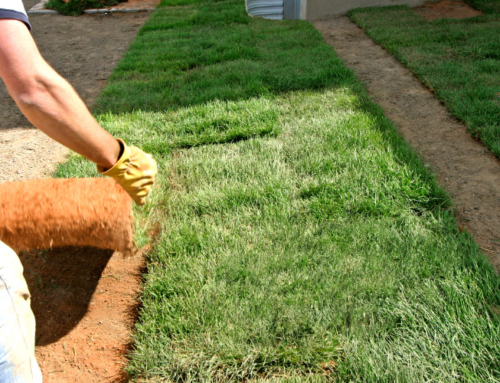
When more than a third of the lawn is affected, sod replacement often delivers a better long-term outcome than repeated repairs. Installing fresh sod gives the yard a clean foundation and removes compacted soil, stubborn weeds, and damaged roots all at once. Homeowners who want a lawn that matches their landscaping style often choose replacement because it creates an instant, uniform appearance.
Large areas of damage can also interfere with drainage. Water might sit on the lawn longer than it used to or travel toward the house instead of away from it. If you notice soggy patches that don’t dry out as quickly as they should, a complete replacement may help restore the correct grade while improving the lawn’s overall health.
For homeowners exploring their options, reviewing the sod installation process from Long Island Sod Company can help clarify what to expect. Their sod installation page explains the steps and materials they use to create lawns that are built to last.
How Can a Sod Company Help You Restore Your Yard?
When homeowners begin thinking about restoring their lawn, they often want guidance on soil quality, grading, and choosing the right grass variety. Working with a sod company that understands local growing conditions makes planning much easier. Long Island yards experience a mix of coastal humidity, changing sun exposure, and seasonal temperature swings, so selecting the right turf species plays a significant role in long-term success.
A collaborative approach helps homeowners create a lawn that fits how the space is used. If the yard is a busy play area, a durable grass variety may be the best fit. If it is designed around garden beds or outdoor entertaining, a softer, denser sod option can help tie the space together. When the installation is planned around the needs of the home, a replacement feels less like a repair and more like an upgrade.
Are You Noticing Persistent Lawn Problems?
Some problems are easy to correct with quick care, but when the same issues keep returning each season, it often means the sod can’t bounce back. Persistent weeds, recurring disease, or soil that stays too compact even after aeration are all indicators that replacement may be the more effective solution. If your lawn seems to decline faster each year, or you are spending more time trying to fix it without seeing results, a fresh start can save time and create a cleaner look for the entire property.
Restore Your Long Island Lawn With Professional Sod Replacement
When your lawn shows signs that it no longer responds to regular care, sod replacement in Long Island can bring back the healthy, even yard you want. If you’re considering restoring your outdoor space, contact our team for a quote and learn how we can help you create a lawn that feels fresh, vibrant, and ready for the seasons ahead.