For homeowners and property managers across Long Island, timing matters when it comes to sod replacement. Our coastal climate, shifting seasons, and soil conditions all play a role in how new sod takes root and grows. At Long Island Sod Company, we work with local lawns every day, so we see firsthand how weather patterns affect results. Understanding these factors helps set realistic expectations and leads to healthier, longer-lasting turf.
Why Long Island’s Climate Matters For Sod Replacement
Long Island sits between the Atlantic Ocean and Long Island Sound, which creates a mix of humid summers, cool springs, and unpredictable fall weather. These conditions affect soil temperature and moisture, two of the biggest factors in sod establishment.
Sod roots begin growing as soon as they make contact with the soil, but only if the ground is warm enough and not overly saturated. In early spring, soil can stay cooler than the air, which slows rooting. During summer, heat stress and dry spells can put pressure on new sod if watering is not consistent. Local experience matters because knowing when conditions are right can shorten the time it takes for sod to anchor properly.
When Is The Best Time For Sod Replacement On Long Island
Many property owners assume summer is ideal since grass grows fast, but that is not always the case. On Long Island, late spring and early fall often provide the most reliable conditions for sod replacement.
Spring offers moderate temperatures and steady rainfall, which supports early root growth. Fall brings cooler air and warm soil, which allows roots to establish without the stress of intense heat. Winter installs are possible in certain cases, but growth pauses until soil temperatures rise again. Choosing the right window reduces risk and helps sod settle in faster.
How Summer Heat And Humidity Affect New Sod
Long Island summers can be humid with sudden heat spikes. Newly installed sod has shallow roots at first, so it relies heavily on surface moisture. Hot weather increases evaporation, which means watering schedules must be carefully followed.
High humidity can also raise the risk of fungal issues if the sod stays wet for too long. Proper grading, soil prep, and watering timing help prevent these problems. We adjust installation methods and care guidance based on current weather patterns so new lawns are protected during the most demanding months.
The Role Of Soil Preparation In Growth Success
Weather alone does not determine success. Soil condition is just as important. Long Island soils often contain sand or compacted areas, especially near older homes or high-traffic yards. If the base is not prepared correctly, even the best sod can struggle.
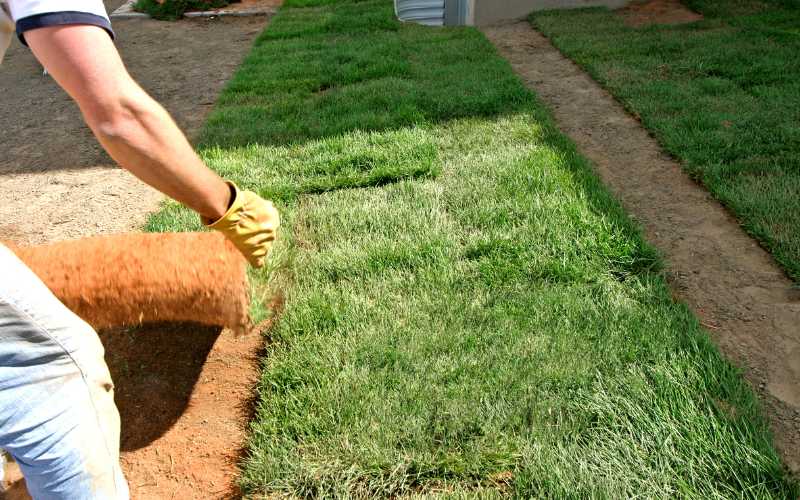
Proper sod replacement includes removing old turf, loosening the soil, correcting drainage issues, and adding nutrients when needed. This preparation helps roots grow deeper and respond better to seasonal changes. When the soil is ready, the sod can handle temperature swings and rainfall more effectively.
How Long Sod Takes to Establish In Long Island Conditions
Under normal conditions, sod begins rooting within two weeks. Full establishment can take four to six weeks, depending on the season and grass type. Cooler spring and fall weather often lead to quicker, steadier results. Summer installs may take longer and require closer attention to watering.
During this period, foot traffic should be limited, and mowing should wait until roots are secure. Following these steps helps new sod adapt to Long Island’s climate and reduces the chance of patchy growth.
A Healthier Lawn Starts With The Right Timing
Long Island weather plays a major role in how well sod replacement performs, from soil temperature to summer stress. When installations are timed correctly and supported by proper preparation, new sod establishes faster and stays healthier.
If you are planning sod replacement in Long Island, reach out to the team at Long Island Sod Company to talk through your property and timing options. We are happy to provide a quote and help you move forward with confidence.