Thinking about replacing your old lawn with fresh sod? It’s a great way to dramatically improve your home’s appearance and boost your property value—but preparation is key to long-term success. Simply laying sod over an old or unhealthy lawn rarely delivers good results.
First, the existing lawn must be removed. This includes grass, roots, weeds, and any compacted debris in the topsoil. A sod cutter is the best tool for clean removal, and it leaves the soil at the right depth for new sod to sit flush with walkways and driveways.
Next, assess the soil quality. Long Island soil varies widely—some areas are sandy, others more clay-like. Regardless of type, your soil should be loose, well-drained, and nutrient-rich. If the soil is compacted, rent a rototiller to break it up and mix in compost or screened topsoil. This helps roots establish quickly.
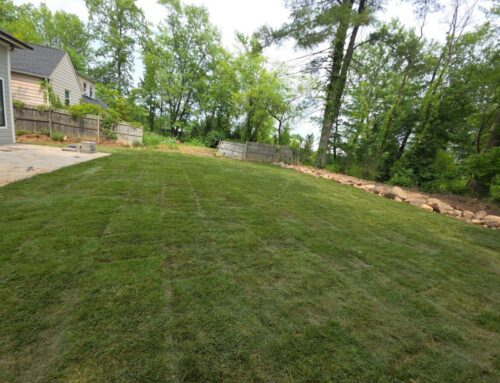
Grade the soil so that it slopes gently away from buildings. This prevents water from pooling and damaging your foundation. Rake it smooth and remove rocks or debris that could interfere with sod contact.
Time your sod installation wisely. Spring and early fall are best for Long Island because of the cooler temperatures and natural rainfall. Avoid midsummer unless you have irrigation ready and can water deeply and frequently.
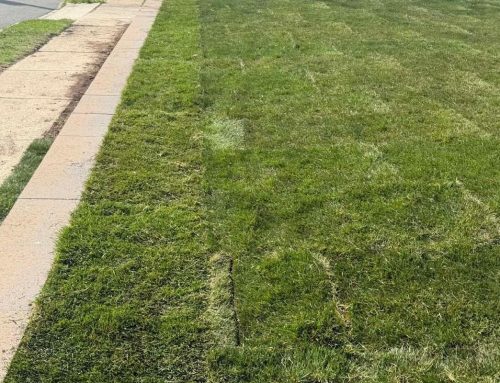
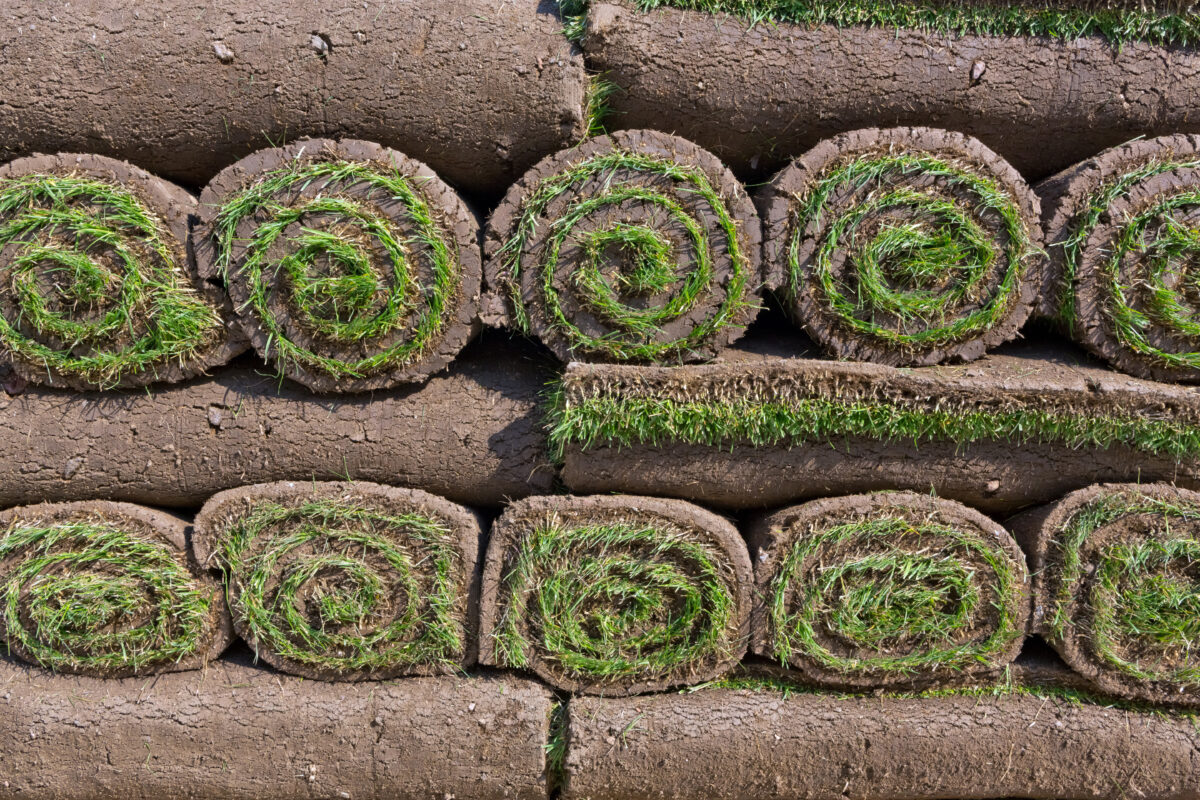
Lay the sod in a brick-like pattern, staggering seams so they don’t line up. Press the edges tightly together but avoid overlapping. Use a lawn roller to ensure full contact with the soil underneath. Water within 30 minutes of installation, then keep the sod consistently moist for the first two weeks.
Avoid foot traffic during the initial 2–3 weeks while roots take hold. After that, gradually taper watering and start mowing once the grass reaches 3–4 inches in height. Be gentle with your mower—use sharp blades and don’t cut more than a third of the height.
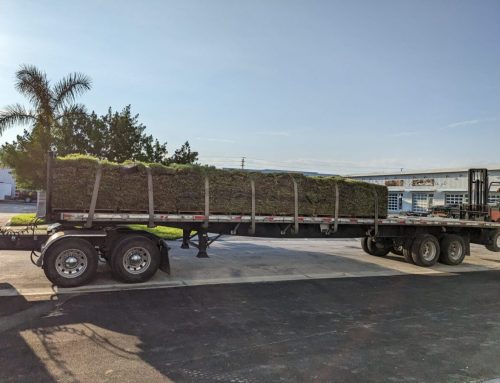
Replacing a lawn with sod is a big project, but when done right, it yields a beautiful, healthy lawn almost overnight. If you’re unsure about grading, soil quality, or irrigation, consider hiring a professional familiar with Long Island conditions.